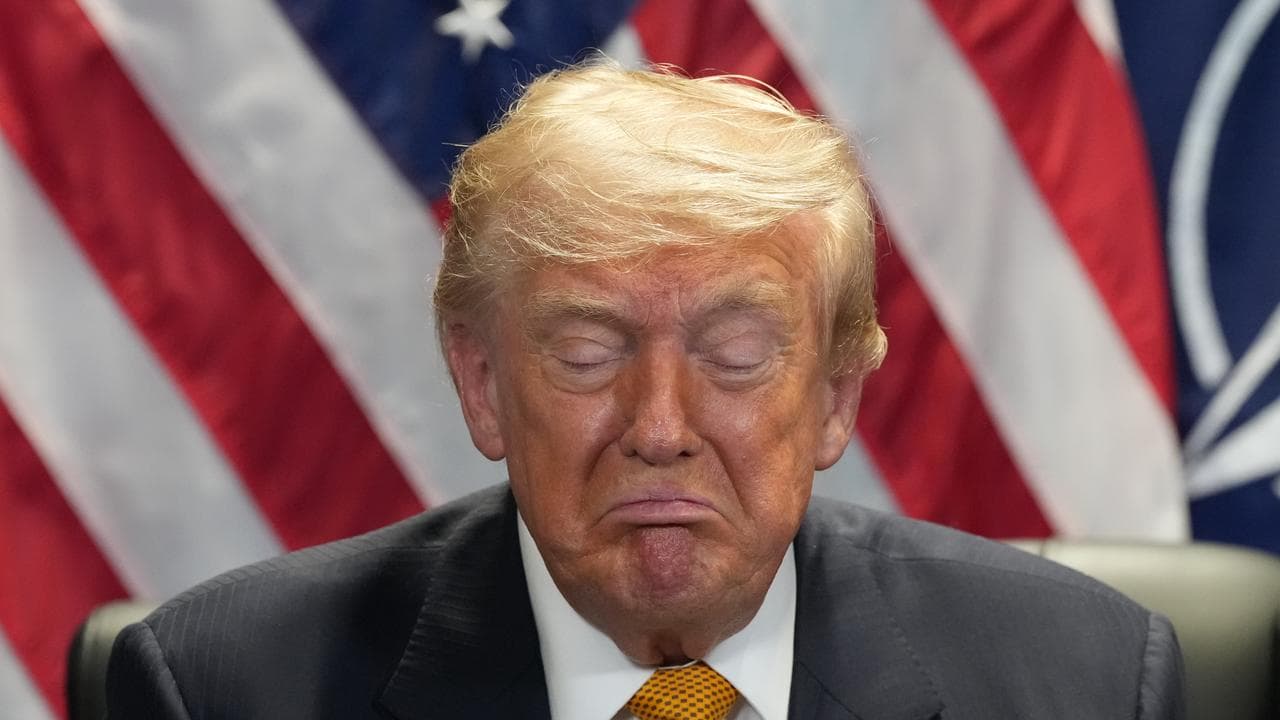
An interim agreement to end the war with Iran is "over", US President Donald Trump says, after Tehran carried out new attacks on US bases in the Gulf.
In a flare-up of hostilities that pushed oil prices up sharply, Iran said it had targeted US military sites in Bahrain and Kuwait after US forces struck Iranian targets in response to attacks on tankers in the Strait of Hormuz.
The attacks further undermined a shaky ceasefire agreement and dented hopes of turning the memorandum of understanding signed on June 17 into a permanent peace deal to end the war, which began with US-Israeli air strikes on Iran on February 28.
Asked before a NATO summit in Turkey whether the memorandum of understanding was over, Trump said: "It's a very interesting question. To me, I think it's over. I don't want to deal with them."
"They're scum. They're sick people. They're led by sick people," he told reporters in Ankara on Wednesday.
"As far as I'm concerned, it's just a waste of time dealing with them."
Although Trump has at times stepped back from threats he has made against Iran, oil prices surged and stocks fell after his latest comments.
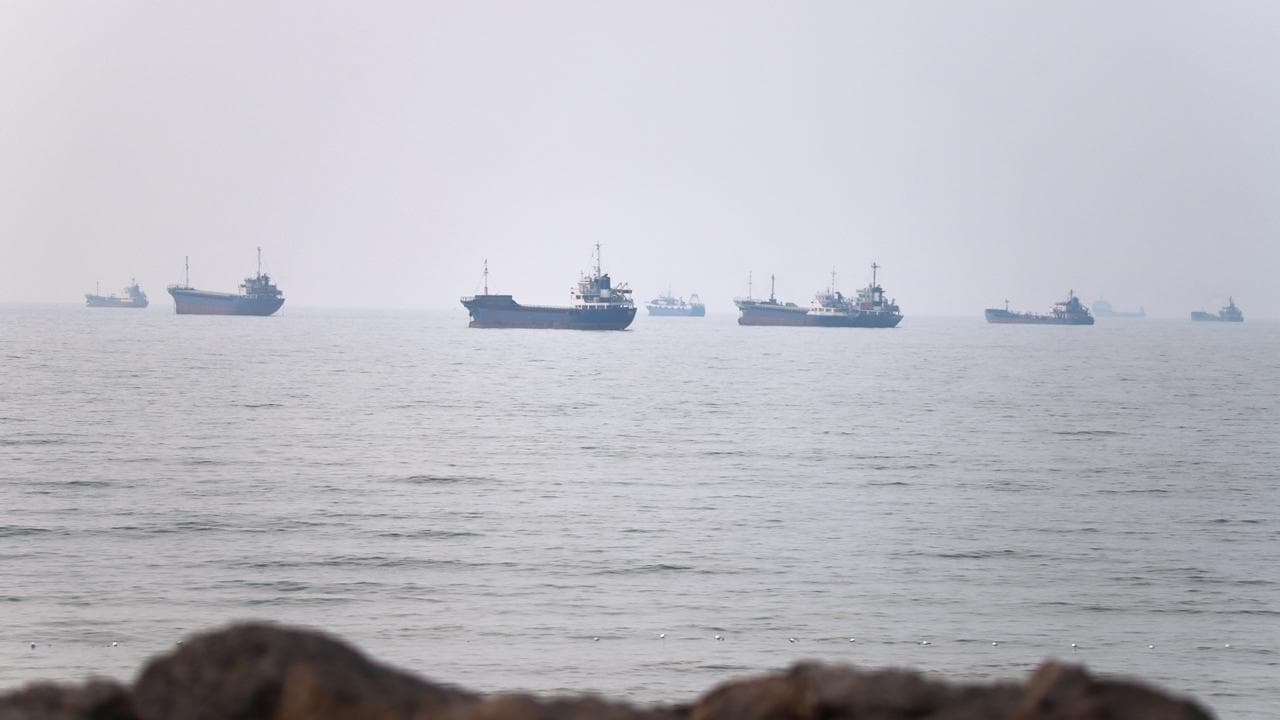
The renewed hostilities have also heightened safety and security concerns around the Strait of Hormuz, with shipping data showing at least four oil and gas tankers had turned back rather than try to transit the waterway, a vital supply route.
Oil prices jumped and global bond markets tumbled.
Iran's Revolutionary Guards (IRGC) said on Wednesday they had targeted US military sites in Bahrain and Kuwait and that they had shot down a US MQ-9 drone attempting to interfere in the operation.
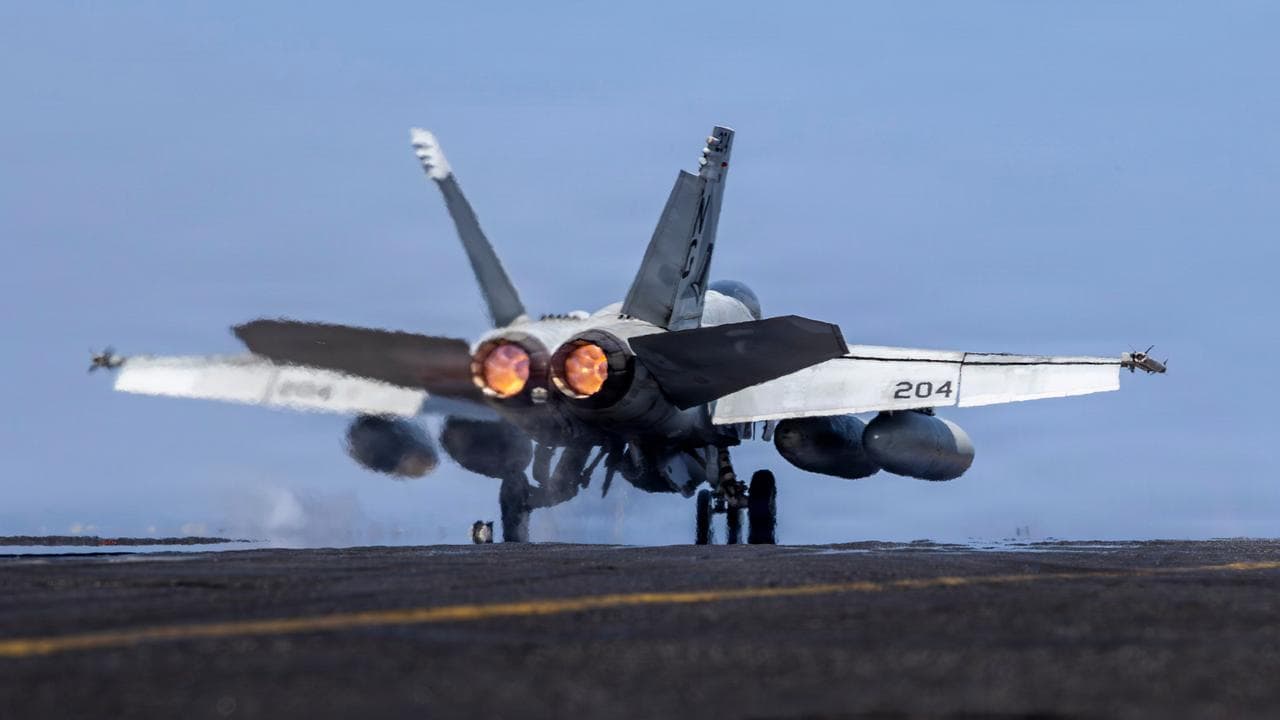
The US had earlier unleashed new military strikes and revoked a licence allowing Iran to sell oil in response to attacks on three tankers in the strait.
The US Central Command said more than 60 small boats used by the IRGC were among the targets hit in an operation it said was intended to impose a heavy cost on Iran for strikes on shipping in violation of the ceasefire.
NATO Secretary-General Mark Rutte told reporters before the NATO summit that the new attacks by the US on Iran were "absolutely necessary".
Iran's top joint military command, Khatam al-Anbiya Central Headquarters, condemned the US strikes as a "blatant act of aggression", threatened a "crushing response" and warned that Tehran would not allow US interference in the management of the strait.
A top Iranian negotiator, parliament speaker Mohammad Baqer Qalibaf, accused the US of breaching the ceasefire agreement.
He cited not only the latest US military strikes, but renewed oil sanctions, violations of Iranian "adjustments" in the Strait of Hormuz, and Israeli attacks against Lebanon.
"The era of bullying and extortion is over," Qalibaf said in a post on X.
"We don't fold."
Iranian media earlier reported explosions in Iran's main oil hub of Kharg Island, on Qeshm Island and in the southern port cities of Sirik and Bandar Abbas.
A US official told Reuters that strikes targeted Iranian air defence systems, coastal surveillance systems, surface-to-air missiles, anti-ship cruise missiles and drone launch sites.
No civilian deaths were reported in Iran.
Control of the Strait of Hormuz has given Tehran immense leverage, effectively allowing it to force a stalemate with the world's most powerful military.
Under the interim US-Iran agreement, the US Treasury issued a June 22 general licence to allow the sale of crude oil and petrochemical and petroleum products of Iranian origin through August 21.
In revoking that licence on Tuesday, it gave Iran until July 17 to wind down any transactions.
Iran's foreign ministry condemned the move as a breach of the framework agreement to end the war and said Washington would bear responsibility for the consequences.


