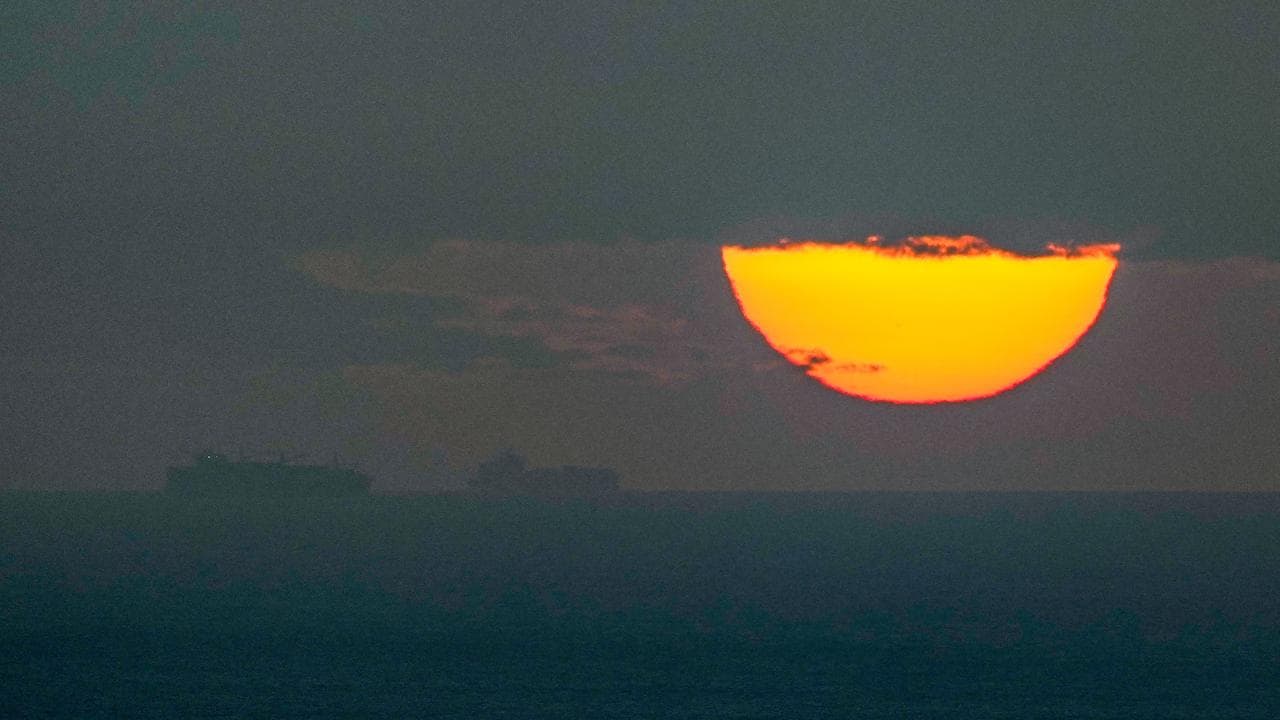
Iran has attacked and set ablaze a fully loaded crude oil tanker off Dubai, as President Donald Trump warns the US will obliterate Iran's energy plants and oil wells if it does not open the Strait of Hormuz.
The drone strike on the Kuwait-flagged Al-Salmi is the latest assault on merchant vessels by missiles or explosive air and sea drones in the Gulf and Strait of Hormuz since the US and Israel attacked Iran on February 28.
The month-long conflict has spread across the Middle East, killing thousands, disrupting energy supplies and threatening to send the global economy into a tailspin.
Crude oil prices briefly spiked anew after the attack on the tanker, which can carry about two million barrels of oil.
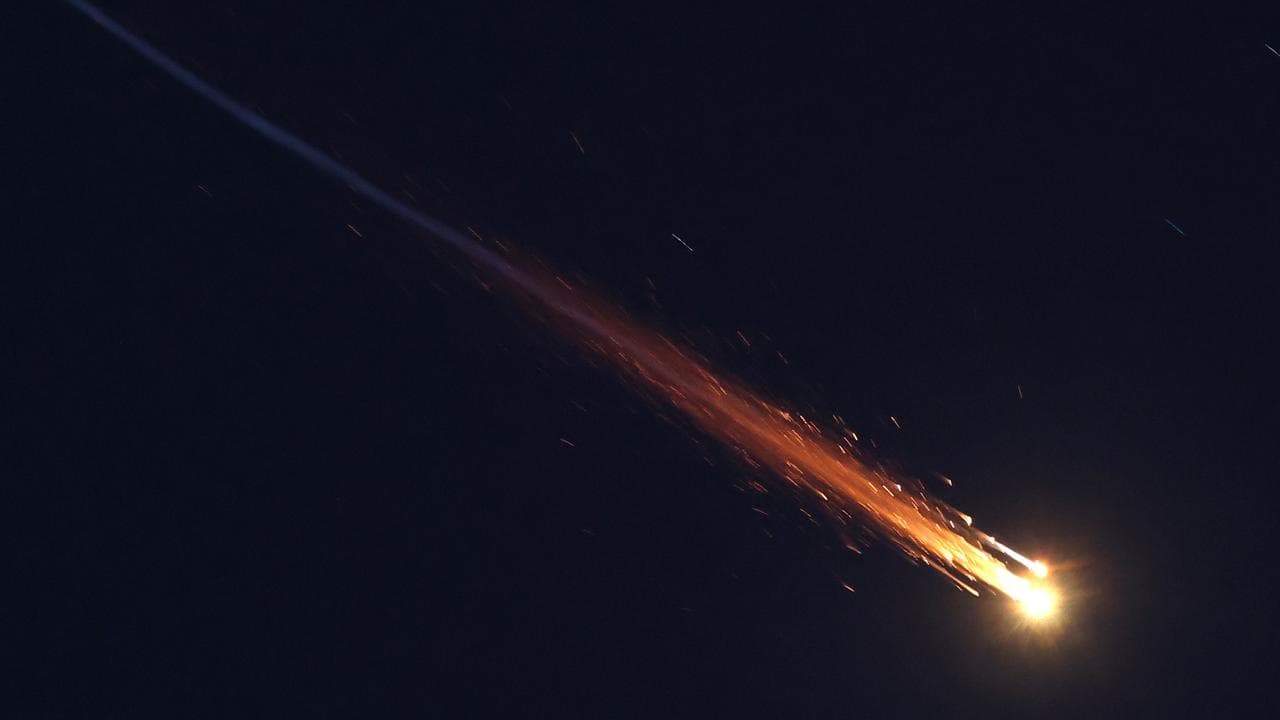
Kuwait Petroleum Corp, the ship's owner, said the attack early on Tuesday caused a fire and hull damage, but no leaks or injuries.
Authorities in Dubai later said they had been able to bring the fire under control.
The jump in oil and fuel prices has started to weigh on US household finances and become a political headache for Trump and his Republican Party before the November midterm elections.
The US national average retail price of petrol crossed $US4 a gallon for the first time in more than three years on Monday, as tightening global supplies push US crude prices above $US101 a barrel.
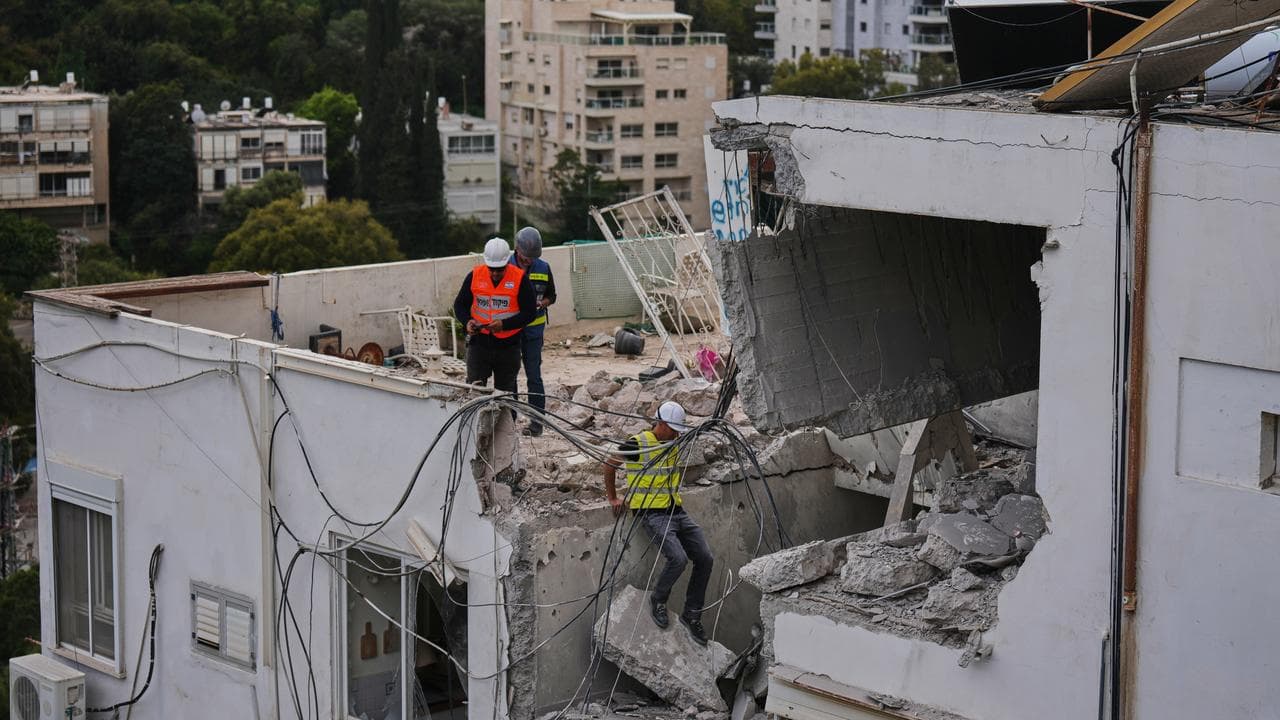
Attacks by both sides is showing no signs of easing, with fears of a wider conflict growing.
Iran-aligned Houthis entered the war by firing missiles and drones at Israel in recent days and Turkey reported a ballistic missile launched from Iran had entered Turkish airspace before being shot down by NATO air and missile defences.
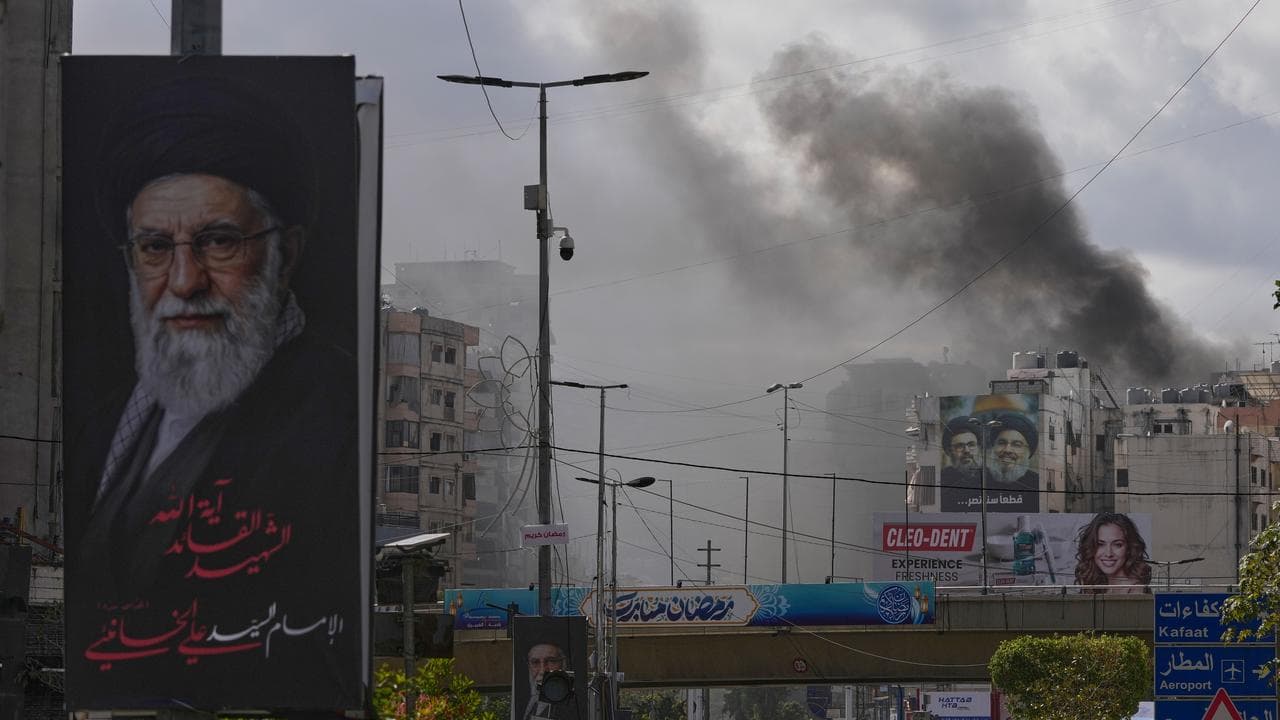
Israel carried out missile strikes on what it called military infrastructure in Tehran and infrastructure used by Iran-backed Hezbollah in Beirut.
The Israeli military said early on Tuesday that four soldiers had been killed in southern Lebanon, the same area as three United Nations peacekeepers from Indonesia were killed in two separate incidents in recent days.
Thousands of soldiers from the US Army's elite 82nd Airborne Division are arriving in the Middle East, part of reinforcements that would expand Trump's options to include a ground assault in Iran, even as he pursues talks with Tehran.
White House press secretary Karoline Leavitt said Trump wanted to reach a deal with Iranian leaders before a second deadline, now April 6, for Iran to open the Strait of Hormuz, a narrow waterway that usually carries about a fifth of global oil and liquefied natural gas supplies.
Leavitt said talks with Iran were progressing, and what Tehran said publicly differed from what it told US officials in private.
Iran said it had received US peace proposals via intermediaries following weekend talks between Pakistan, Egypt, Saudi Arabia and Turkey, but it called them "unrealistic, illogical and excessive".
Soon after, Trump said the US was in talks with a "more reasonable regime" to end the war in Iran, but also issued a new warning over the Strait of Hormuz.
If a deal to reopen the strait was not reached soon, the US "will conclude our lovely 'stay' in Iran by blowing up and completely obliterating all of their Electric Generating Plants, Oil Wells and Kharg Island", Trump said in a social media post, while also threatening to attack Iranian desalination plants.
However, The Wall Street Journal reported Trump had told aides he was willing to end the military campaign even if the strait remained largely closed, and leave a complex operation to reopen it for a later date.
That helped oil prices retreat and lifted stock markets off their lows as investors hoped for some way for hostilities to end swiftly.


