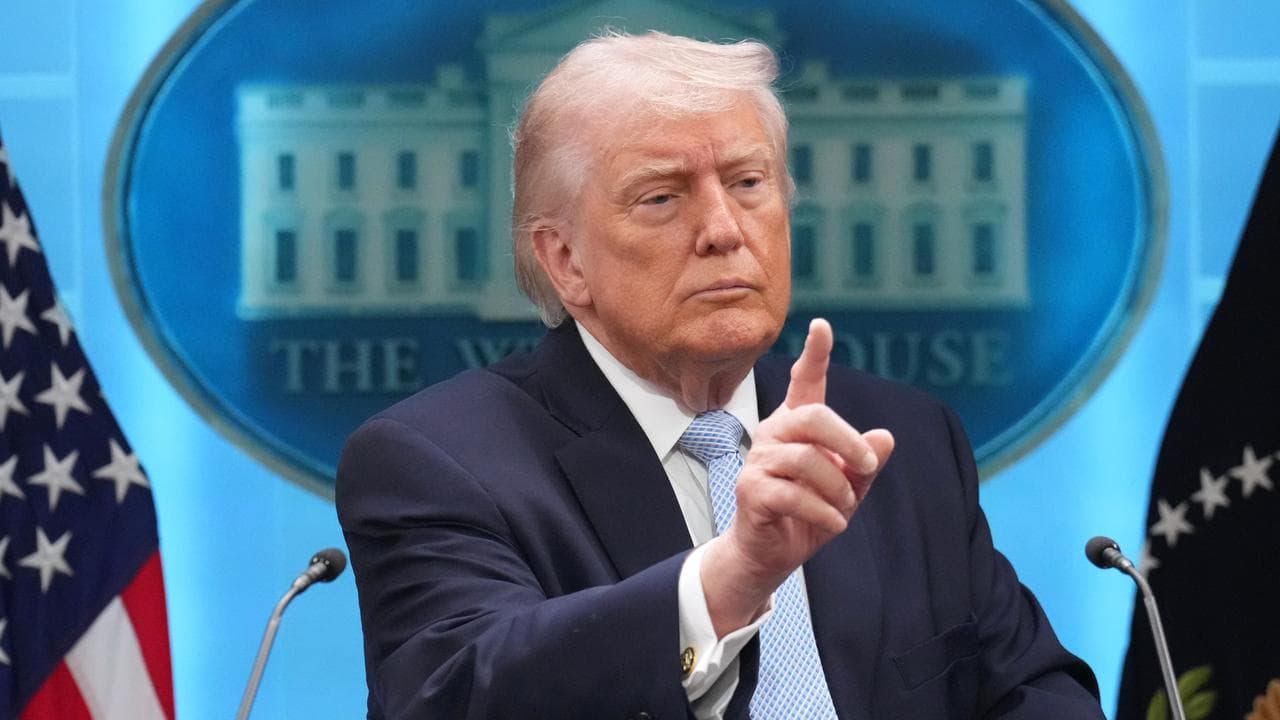
US President Donald Trump is once again exhorting Iran to make a deal by his deadline, saying a "whole civilisation will die tonight" if an agreement is not reached to end the conflict.
"A whole civilisation will die tonight, never to be brought back again. I don’t want that to happen, but it probably will," Trump said in a post on Truth Social on Tuesday.
"We will find out tonight, one of the most important moments in the long and complex history of the World."
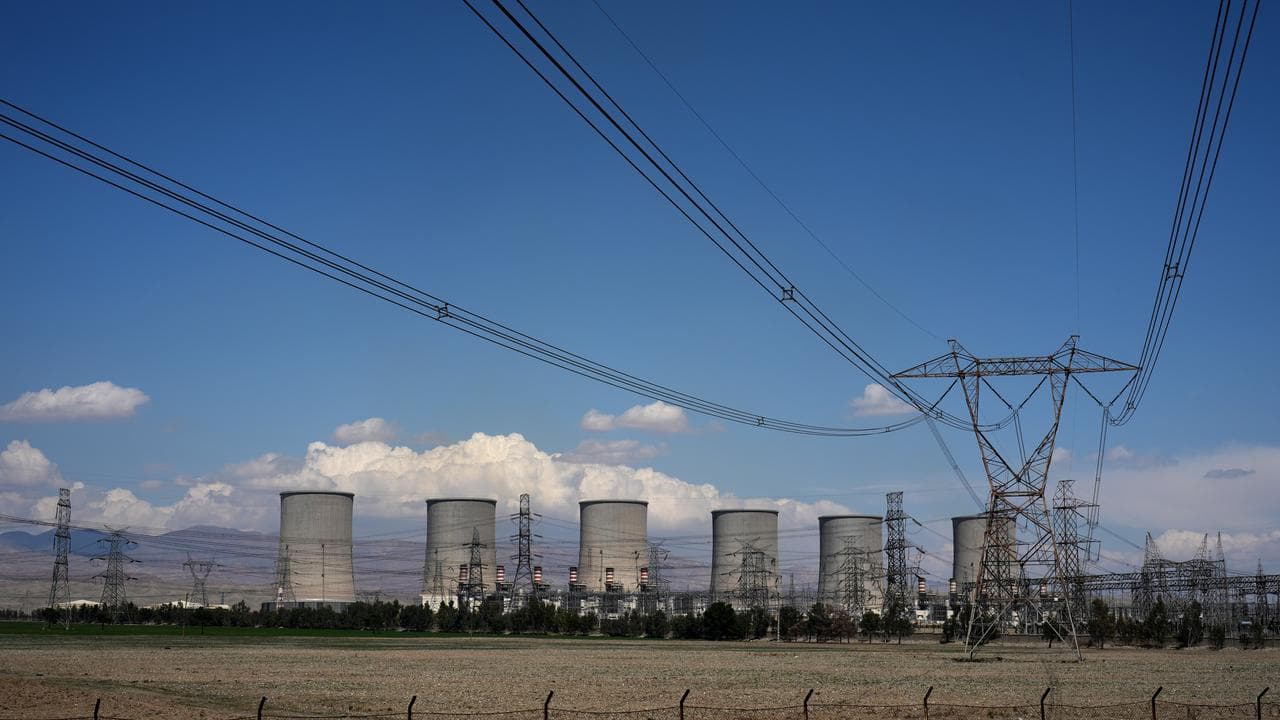
Trump has given Iran until 8pm in Washington on Tuesday (10am on Wednesday AEST) to end its blockade of Gulf oil, saying he will otherwise destroy every bridge and power plant in Iran within four hours.
However, Iran shows no sign of agreeing to Trump's demand that it open the Strait of Hormuz by his deadline or suffer what would be the biggest escalation yet of the war.
A senior Iranian source told Reuters that Tehran had rejected a proposal conveyed by intermediaries for a temporary ceasefire.
Talks on a lasting peace could begin only after the US and Israel end their strikes, provide a guarantee they will not resume and offer compensation for damages.
Any future settlement must leave Iran in control of the strait, imposing fees on ships that use it, the source said on condition of anonymity.
As the clock ticked down on Trump's deadline to unleash "hell", global markets were largely frozen, hesitant to bet on whether Trump would follow through on his threats or call them off as he has in the past.
Iran has rejected his demands and threatened to retaliate against infrastructure belonging to US allies in the Gulf, whose desert cities would be uninhabitable without power or water.
In the latest attacks overnight, a synagogue in Tehran was destroyed by what Iran described as Israeli air strikes.
Israel's military had no immediate comment.
Without waiting for Trump's deadline to expire, Israel threatened Iranian civil infrastructure on Tuesday, warning Iranians in a Persian-language social media post to stay away from railways: "Your presence on trains and near railway lines endangers your life."
Trump has abruptly called off similar threats in the past several weeks, citing what he has described as productive negotiations with unidentified figures in Iran, though Tehran has denied any substantive talks have taken place.
The two countries have exchanged proposals, with Pakistan acting as the main go-between, but there has been no sign of compromise, with both sides claiming to have won the war and demanding concessions from their foes to end it.
Iran's ambassador to Pakistan said on Tuesday "positive and productive endeavours" by Islamabad to mediate an end to the war were "approaching a critical, sensitive stage", but gave no further details.
A proposal brokered by Pakistan would call for a temporary ceasefire and the lifting of Iran's effective blockade of the strait, while putting off a broader peace settlement for further talks, according to a source familiar with the plan.
But Iran's 10-point response would require a permanent end to the war, the lifting of sanctions and a promise of the reconstruction of Iranian sites damaged by the Israeli-US strikes.
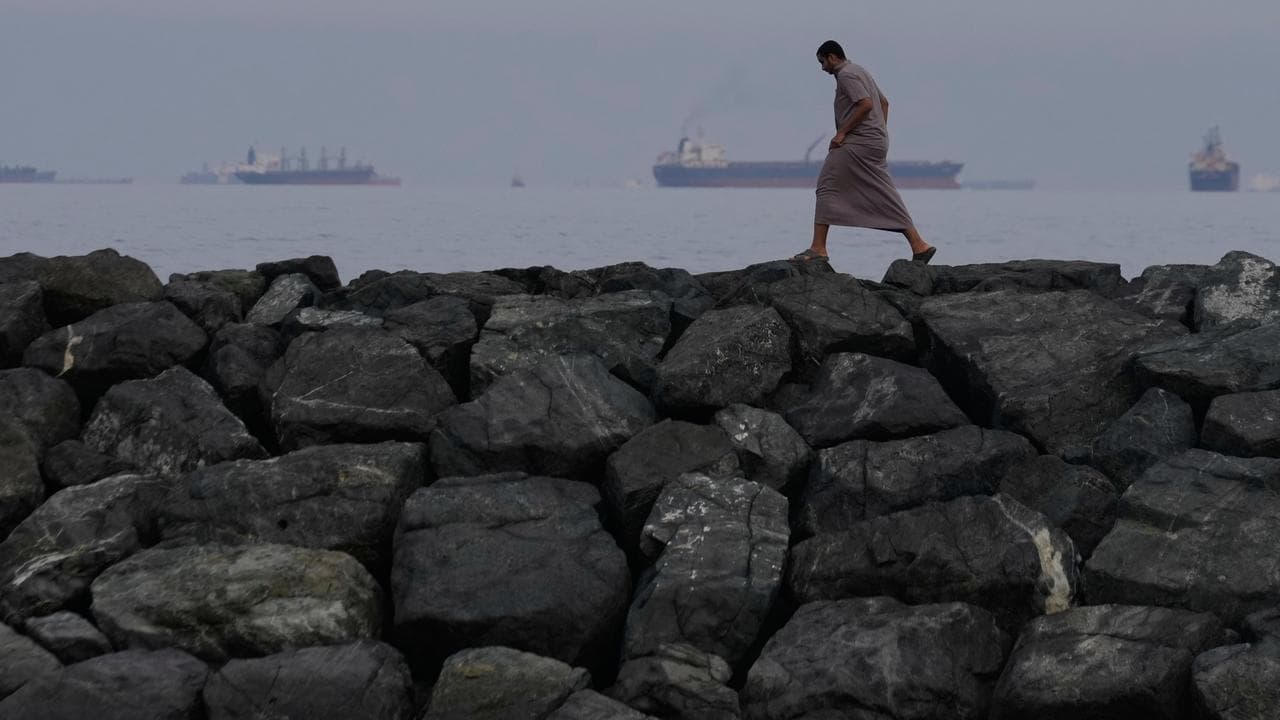
It would also include a new mechanism to govern passage through the Strait of Hormuz - previously an open international waterway through which a fifth of global oil and liquefied natural gas typically passed.
Since the United States and Israel attacked Iran on February 28, Iran has effectively closed it to nearly all ships apart from its own.
Trump imposed his latest deadline on Iran in a social media message on Sunday that declared "Open the F***in' Strait, you crazy bastards, or you'll be living in Hell – JUST WATCH!", language Iranian officials described as desperate or even mad.
Iran's envoy to the United Nations said Trump's threats were "direct incitement to terrorism and provide clear evidence of intent to commit war crimes under international law".


