Iran's deadly crackdown on anti-government demonstrators appears to have quelled protests, according to a rights group and residents, as communication curbs waned in the shadow of repeated US threats to intervene if the killing continues.
The prospect of a US attack has retreated since Wednesday, when President Donald Trump said he had been told killings in Iran were easing, but more US military assets were expected to arrive in the region, showing the continued tensions.
US allies, including Saudi Arabia and Qatar, conducted intense diplomacy this week to prevent a US strike, warning of repercussions for the wider region that would ultimately impact the United States, a Gulf official said.
The White House said on Thursday that Trump and his team have warned Iranian authorities there would be “grave consequences” if there was further bloodshed and added that the president was keeping "all of his options on the table".
"Iran cancelled the hanging of over 800 people," Trump told reporters while leaving the White House on Friday to spend the weekend at his Mar-a-Lago estate in Florida.
"And I greatly respect the fact that they cancelled," he said.
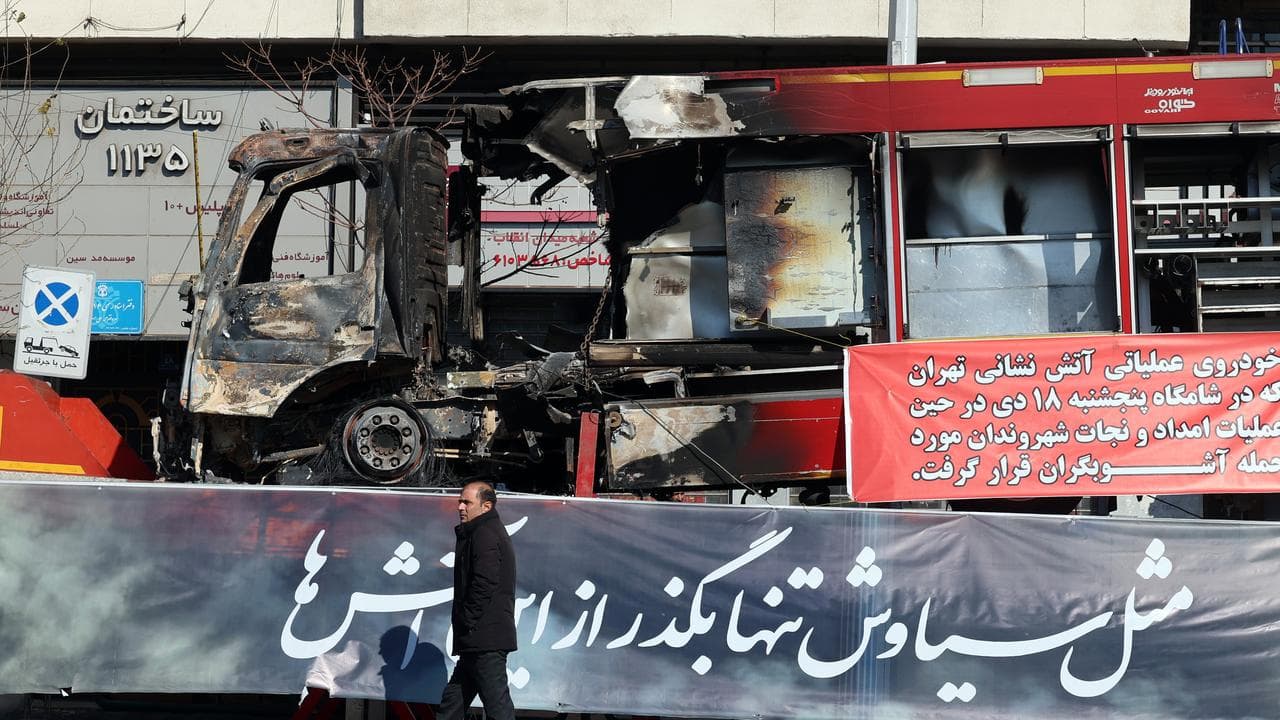
The protests erupted on December 28 over economic hardship and swelled into widespread demonstrations calling for the end of clerical rule, which culminated in three days of mass violence at the end of last week.
Official source said the unrest peaked last Thursday with demonstrations across much of the country and included vandalism against public institutions, the destruction of banks and the burning of 53 mosques.
According to opposition groups, more than 2000 people were killed in the worst domestic unrest since Iran's 1979 Islamic Revolution.
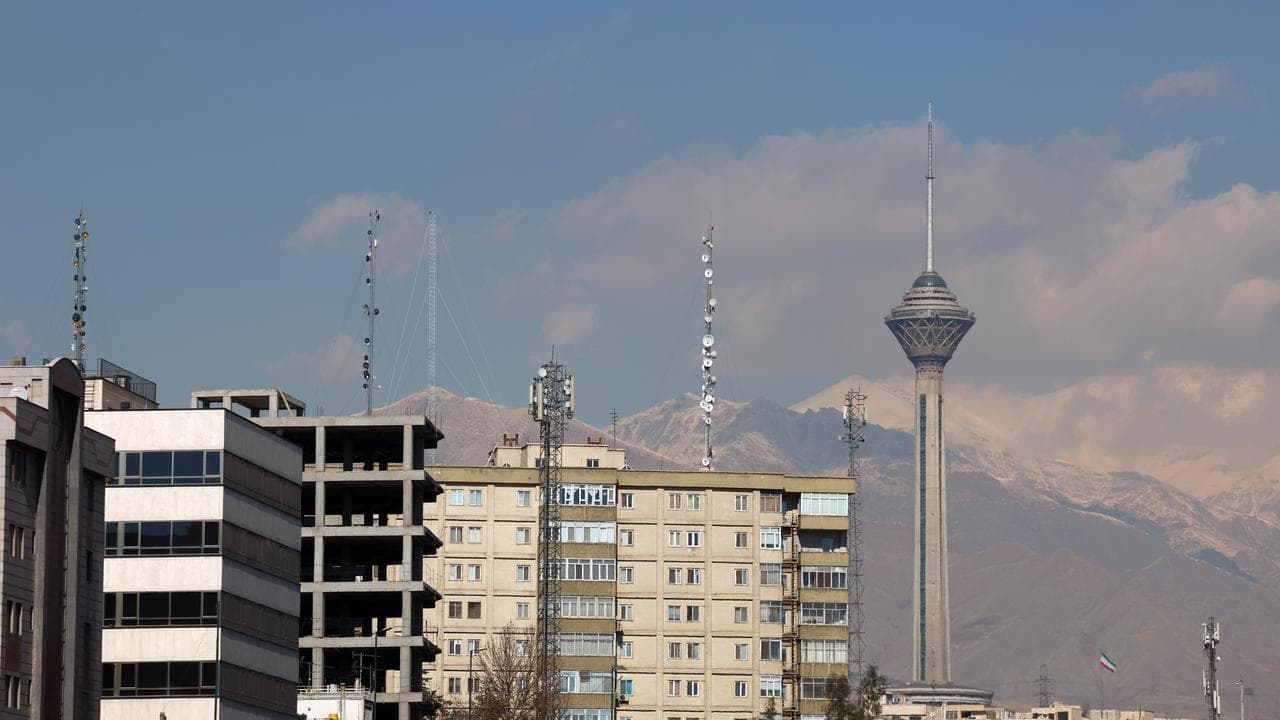
But several residents of Tehran reached by Reuters said the capital had now been comparatively quiet for four days.
Drones were flying over the city but there had been no sign of major protests on Thursday or Friday.
Another resident in a northern city on the Caspian Sea said the streets there also appeared calm.
The residents declined to be identified for their safety.
As an internet blackout eased this week, more accounts of the violence have trickled out.
One woman in Tehran told Reuters by phone that her daughter was killed a week ago after joining a demonstration near their home.
"She was 15 years old. She was not a terrorist, not a rioter. Basij forces followed her as she was trying to return home," she said, referring to a branch of the security forces often used to quell unrest.
Since Tuesday, Iranians have been able to place international phone calls but incoming calls from abroad are still blocked.
Such calls are costly and subject to surveillance, further limiting contact with the outside world.
It is unclear when the restrictions will be lifted.
Without access to the global internet, users inside Iran can reach only domestic websites.
One Iranian woman said she was using the Iranian search engine Zarebin, which displays filtered search results from within the country.
Iranian authorities said on Friday that at least 3000 people have been detained during weeks of protests, a figure that sharply contrasts with estimates provided by rights groups.
"Security officials have announced that 3000 members of terrorist groups and individuals who played a role in recent disturbances have been arrested so far," a security source told the Tasnim news agency, which is linked to Iran's Revolutionary Guard.
According to HRANA, a US-based organisation, more than 19,000 people have been arrested.
Iranian-Kurdish rights group Hengaw said that there had been no protest gatherings since Sunday but "the security environment remains highly restrictive".
"Our independent sources confirm a heavy military and security presence in cities and towns where protests previously took place, as well as in several locations that did not experience major demonstrations," Norway-based Hengaw said in comments to Reuters.
with DPA, EFE and AP


