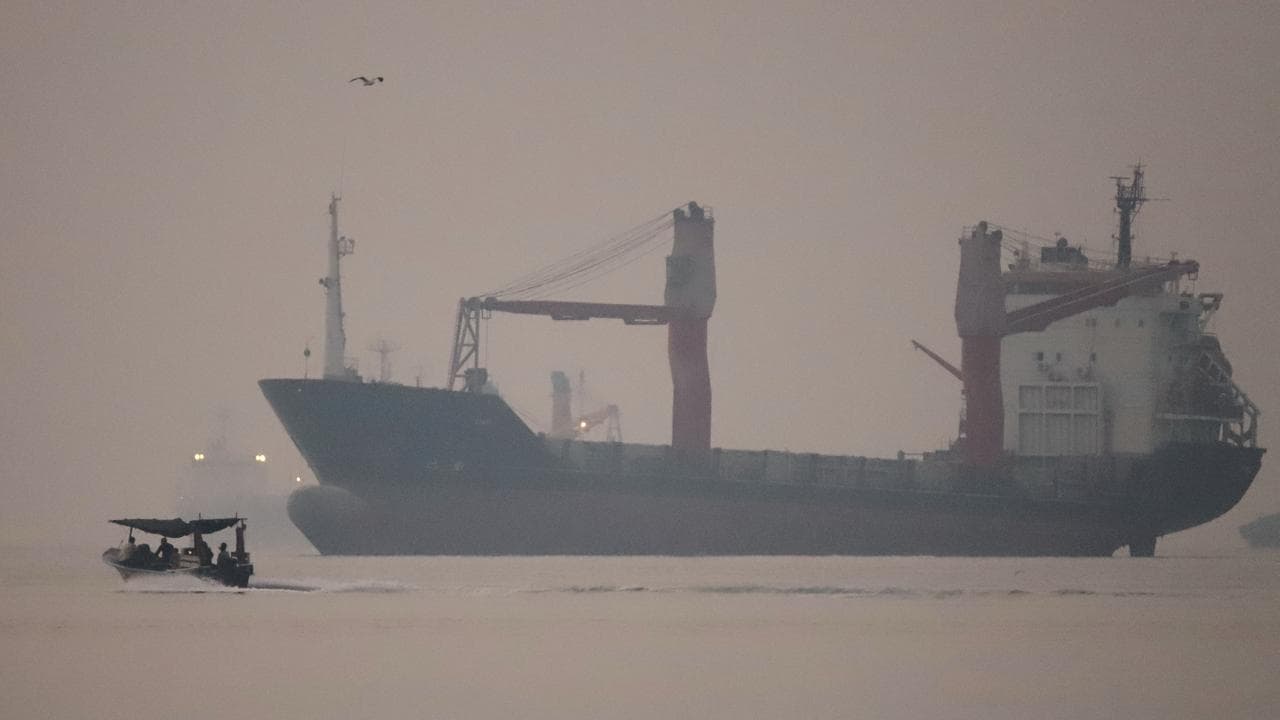
The Strait of Hormuz will not reopen until seven Iranian conditions set out in a June interim agreement with the United States are met, Iran says.
“The Americans, who say something different in the media, have recently put forward proposals through a mediator. But they must understand that the period of dragging out the process and dictating one-sided demands is over," Nournews reported Iran's parliament speaker Mohammad Baqer Qalibaf as saying on Sunday, a few days after Tehran received Washington's reply to its diplomatic proposal.
"The position of the Islamic Republic of Iran is completely clear and firm, and the Strait of Hormuz will not be opened until our seven conditions, based on the Islamabad Memorandum of Understanding, are met."
Iranian Foreign Minister Abbas Araqchi on Sunday said separately a plan put forward by Tehran to resolve its dispute with Washington could lead to the Strait of Hormuz reopening within seven days if accepted.
Speaking to foreign ambassadors and diplomats in Tehran, Araqchi said Iran had clearly explained its conditions for reopening the strait and that they were linked to commitments the US would have to accept.
He added that Tehran hoped Washington would choose diplomacy but warned that Iran was prepared to respond if the US again chose military action.
“If they again move towards military solutions, we are more prepared than before and will take whatever action is necessary to defend ourselves,” Araqchi said.
Meanwhile, Iran's Oil Minister Mohsen Paknejad resigned for personal reasons, and Hamid Bovard, chief executive of the government-owned National Iranian Oil Company, will be acting minister, state media reported.
Paknejad, oil minister of the OPEC member country since August 2024, resigned as the seven-month-old war between Iran and the US had put pressure on the country's economy.
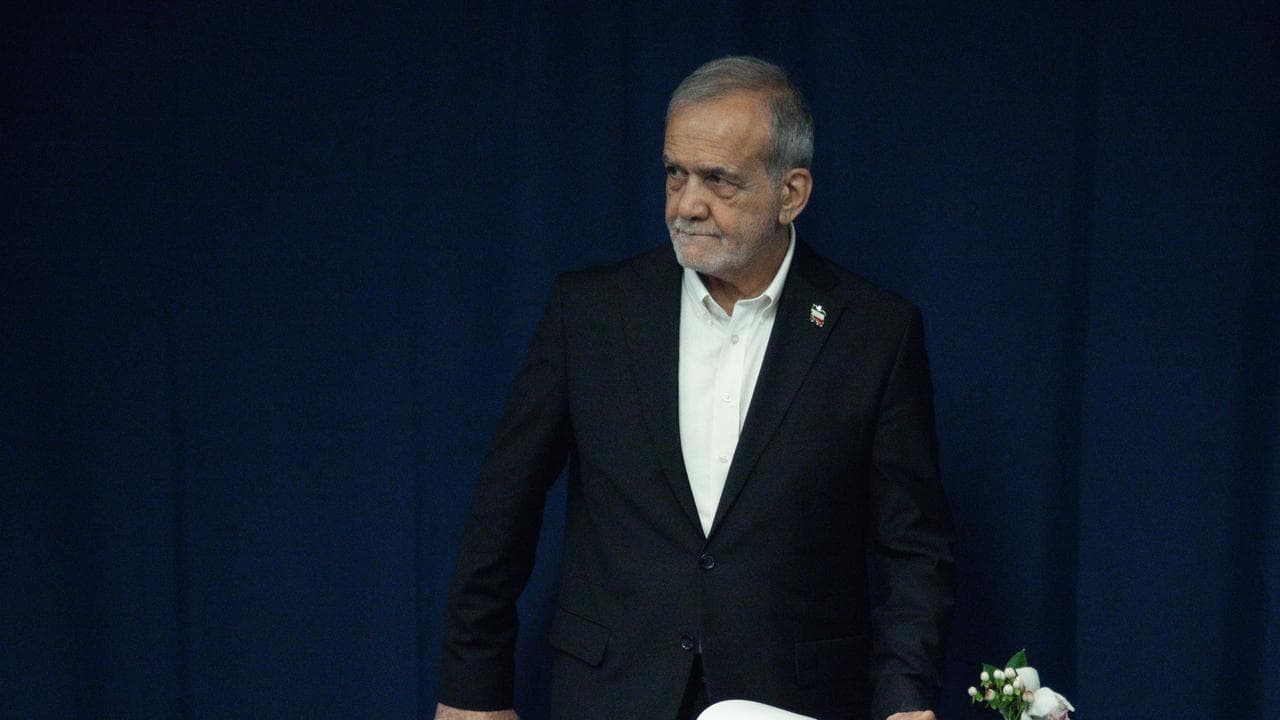
Mehdi Tabatabaei, communications deputy in the president's office, told state TV that Paknejad resigned for personal reasons "a long time ago" and his resignation was accepted by President Masoud Pezeshkian at Paknejad's insistence.
"With acceptance of Mohsen Paknejad's resignation by Dr Pezeshkian, Hamid Bovard has been appointed as acting oil minister," Tabatabaei said earlier on Sunday, according to state media.
Before news of his resignation, Paknejad was quoted by state media as saying "revenues of the oil that we have sold are still coming and that will continue God willing".
It comes as Iran's oil exports face intense pressure from tightened US sanctions and a naval blockade.
Iran's ability to export oil is a crucial source of government revenue.
Iran has demanded the US lift sanctions on its oil sales and end the blockade as part of negotiations over reopening the Strait of Hormuz.


