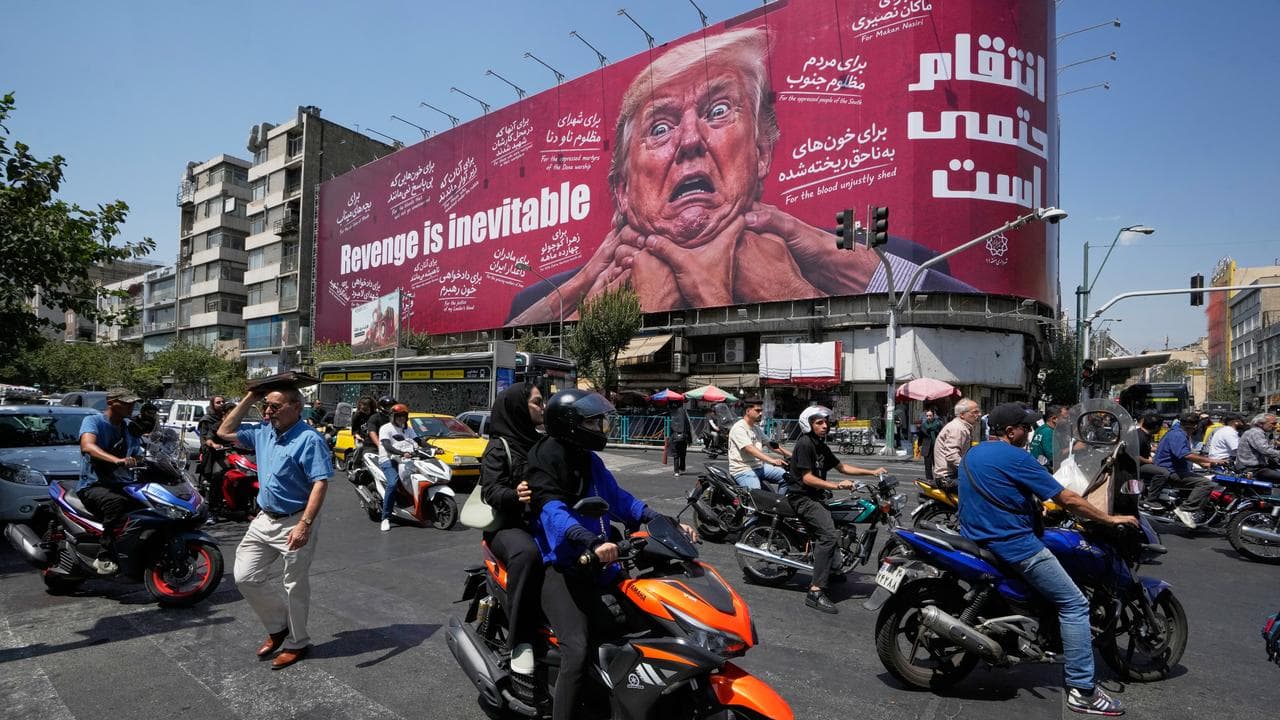
Iran is pledging to fight back against expanded US sanctions aimed at isolating its economy, expressing confidence that major trading partners will resist the pressure campaign and saying that Washington is keen to revive talks.
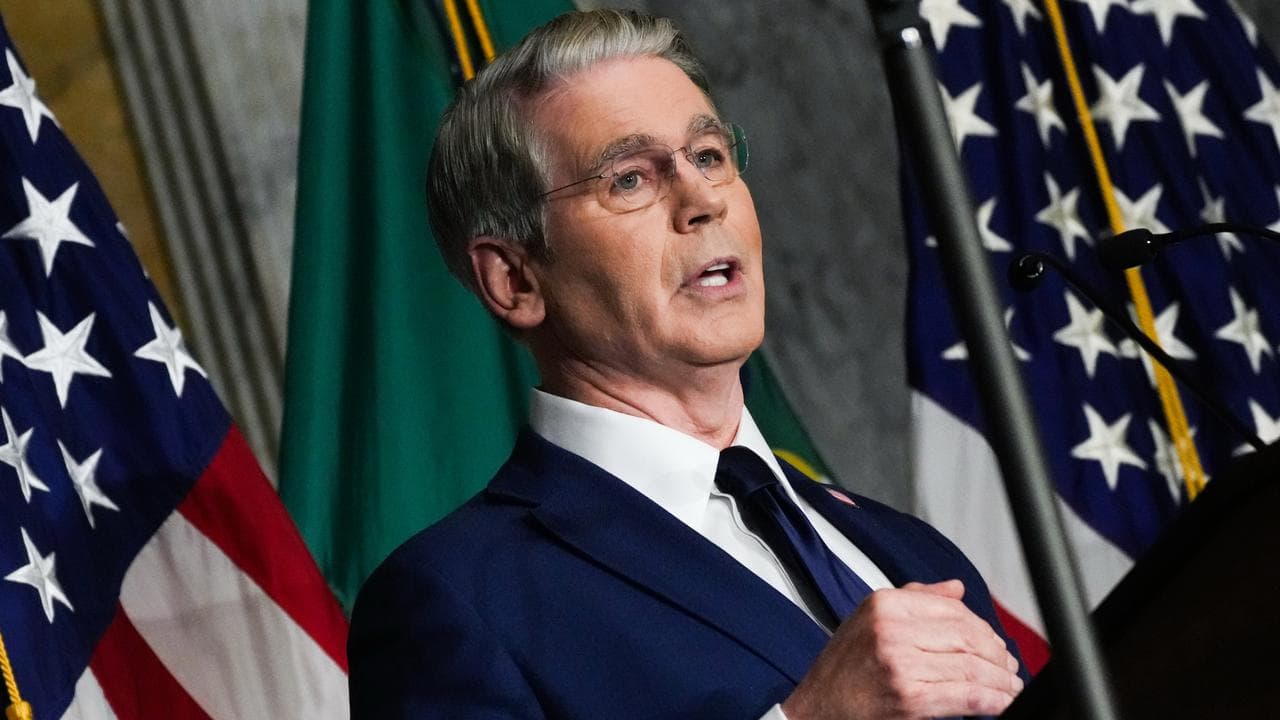
Almost six months into a conflict the US has struggled to resolve, Treasury Secretary Scott Bessent unveiled the measures on Monday but stopped short of the most punishing sanctions.
While he said countries that continued trading with Iran risked being forced out of the dollar-based financial system, he declined to give a timeline or identify which might be targeted, saying he would give them time to comply with the new directive.
Abbas Golroo, head of the foreign relations committee in the Iranian parliament, said Pakistan's army chief Asim Munir had delivered a message from the US to Iran on Monday.
"It seems the main goal was to revive the stopped political process," he told ISNA news agency.
There was no immediate comment from the White House or the State Department.
The Treasury Department did announce new sanctions on 60 individuals, entities and vessels, but the list did not feature any of the Chinese financial institutions suspected of facilitating Iran's oil trade.
"We want to make clear here today that no one is above the reach of US sanctions," Bessent said in response to a question about Chinese banks.
China has been the biggest buyer of Iranian oil for several years, although the US blockade of Iran's ports has cut Iranian oil flows to China since Washington renewed it in mid-July.
Experts say the US is wary of Chinese retaliation for any sanctions on its banks before expected talks in September between President Donald Trump and Chinese President Xi Jinping, with any curbs on China's exports of critical minerals especially sensitive.
China said on Tuesday that its cooperation with Iran is conducted within the framework of international law and should not be interfered with or disrupted.
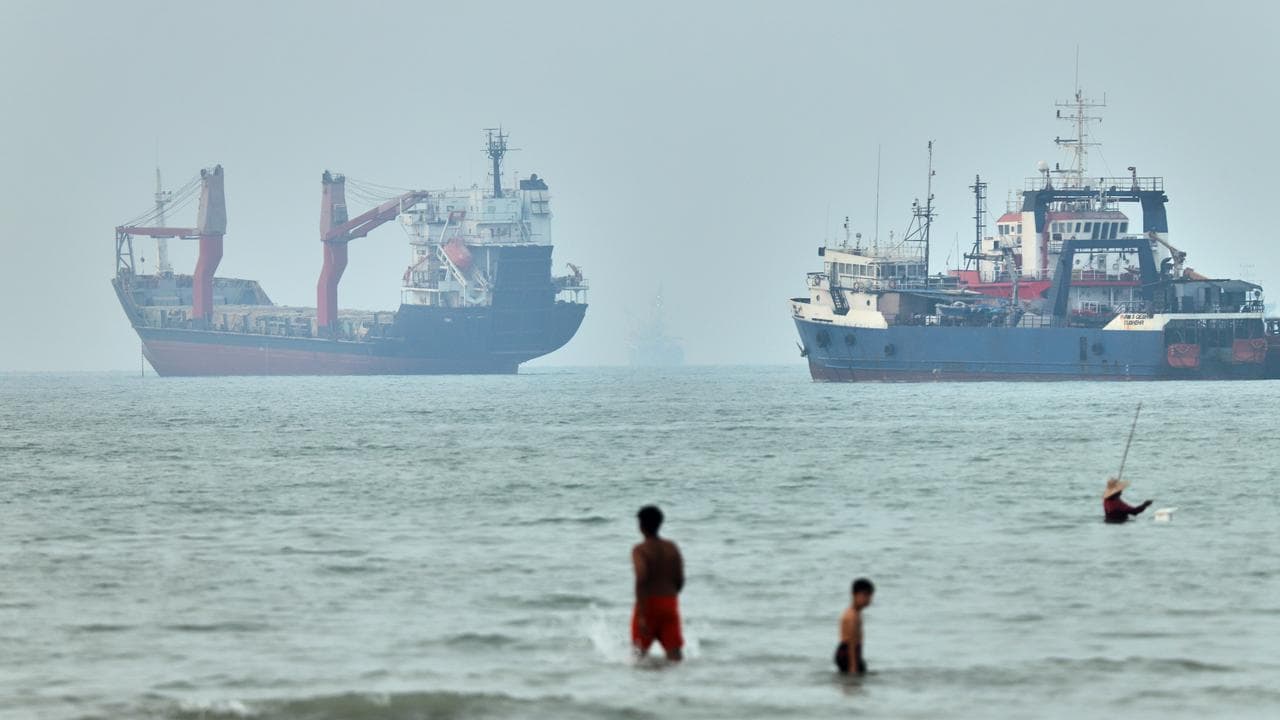
An oil tanker was struck on Tuesday by an unidentified projectile and disabled 17km northeast of Oman's Ash Shishah, which lies at the entrance to the Strait of Hormuz, the United Kingdom Maritime Trade Operations said.
After the latest sanctions were unveiled, Iranian Economy Minister Ali Madanizadeh said Iran was prepared to respond.
"Our defense is no longer so defensive; the enemies should wait for an attack," he told state television.
Neither China nor Russia had "accepted" the US measures, he said, predicting that other countries would resist them.
There have been no major US or Iranian strikes for weeks, but Brigadier General Hossein Mohebbi, a spokesperson for Iran's Islamic Revolutionary Guard Corps, vowed heavy blows to US vital interests and energy choke points if Iran's infrastructure is threatened, Press TV reported.
Iran and the United States signed an interim deal in June aimed at ending the war that began with US and Israeli attacks on Iran in February, but it quickly faltered and Iran resumed ship attacks that have strangled energy exports from the Gulf.
Mediator Pakistan made "significant progress" in the latest talks with Tehran that focused on preventing further escalation and reopening the Strait of Hormuz, the Pakistani military said.
An official at the Iranian president's office, Mehdi Tabatabaei, posted that Munir's visit to Iran "yielded highly valuable diplomatic achievements, the results of which will soon be revealed".
He did not elaborate, but the New York Times cited a State Department document saying US diplomats evacuated during the war could start returning to the Middle East as early as this week.
US public approval of the war fell to its lowest level since the conflict's early days, with Trump's popularity at a record low before congressional elections in November, a Reuters/Ipsos poll that closed on Monday showed.


