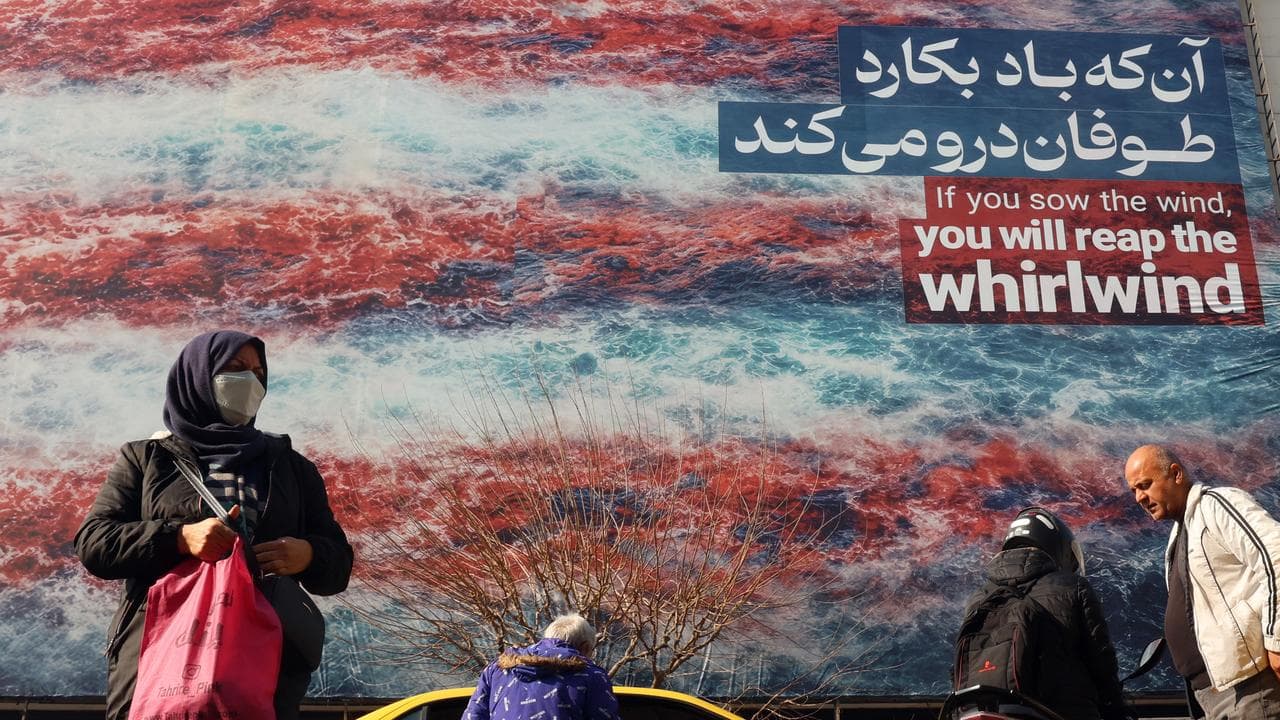
Iran's parliamentary speaker has warned President Donald Trump that US soldiers in the region would suffer if Washington decides to attack Iran.
"Maybe Mr Trump can start a war, but he doesn't have control over (how it ends)," Mohammad Bagher Ghalibaf told US broadcaster CNN.
Thousands of US soldiers stationed several thousand kilometres from home would definitely suffer, he added.
Trump said he was planning to talk to Iran amid the rising tensions.
“We have a lot of very big, very powerful ships sailing to Iran right now, and it would be great if we didn't have to use them,” Trump told reporters in Washington.
US Secretary of State Marco Rubio earlier threatened Iran with a pre-emptive military strike if the leadership in Tehran plans attacks on US military facilities.
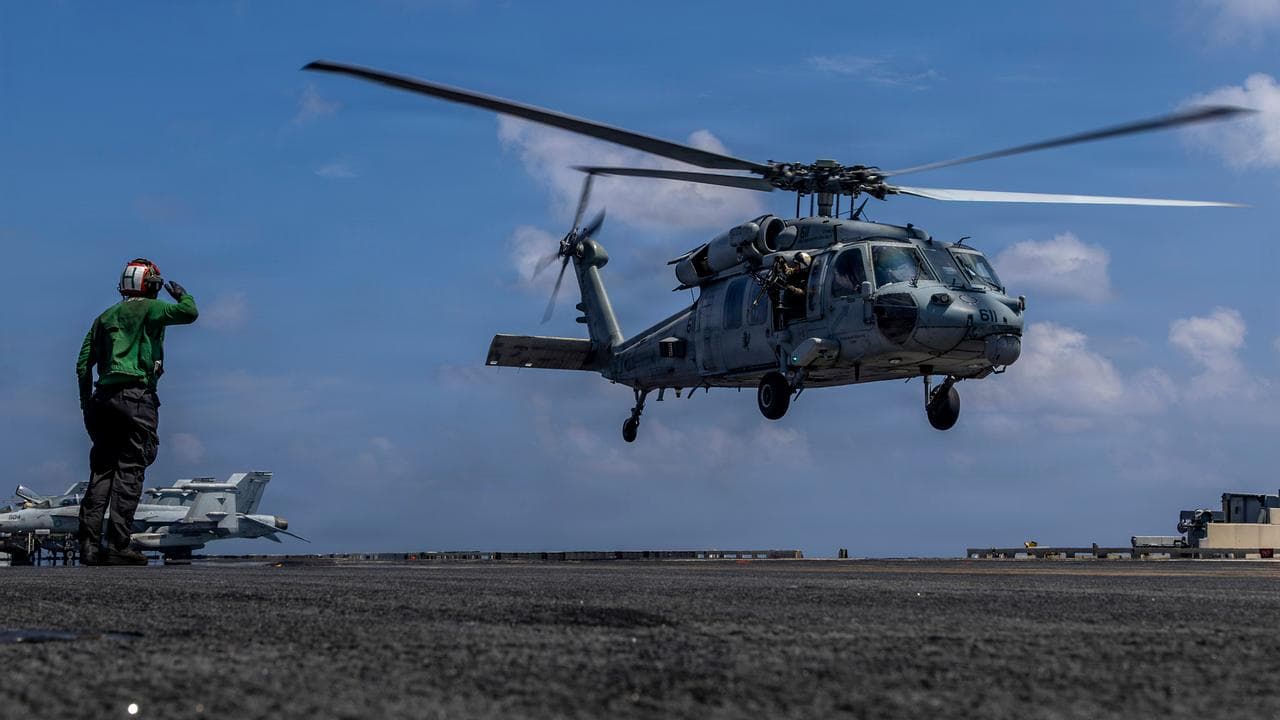
During a hearing of the Senate Foreign Relations Committee on Wednesday, local time, Rubio said the US has stationed 30,000 to 40,000 troops at eight or nine facilities in the Gulf region, all of which are within range of thousands of Iranian drones and short-range ballistic missiles.
He justified the build-up with protecting allies such as Israel from potential Iranian attacks.
The US administration has repeatedly threatened military intervention in Iran over its nuclear program and violent suppression of mass protests earlier in 2026.
On Wednesday, Trump said "another" US military fleet was on its way to Iran. It was not immediately clear whether Trump was referring to the aircraft carrier USS Abraham Lincoln and the accompanying warships that had already arrived in the Middle East on Monday, or to other US military forces.
The US and Israel attacked Iranian nuclear facilities last June.
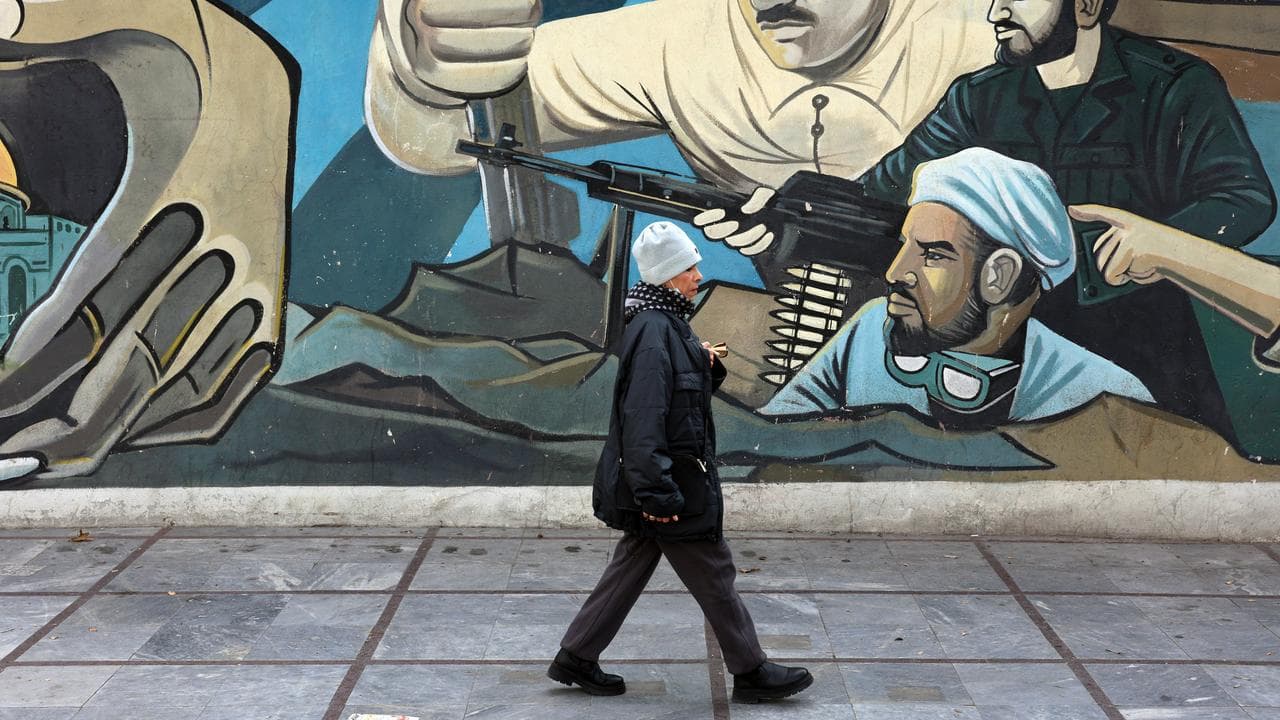
It comes as EU foreign ministers agreed to designate Iran's Islamic Revolutionary Guard Corps (IRGC) as a terrorist organisation.
The bloc has also imposed asset freezes and travel bans on about 30 Iranian individuals and entities as a response to the brutal oppression of anti-government protests.
The EU’s foreign policy chief, Kaja Kallas, said foreign ministers in the 27-nation bloc unanimously agreed on the designation, which she said will put the regime “on the same footing" with al-Qaeda, Hamas and the Islamic State group.
“Those who operate through terror must be treated as terrorists," Kallas said.
Iranian Foreign Minister Abbas Araghchi dismissed the designation as a “PR stunt” and said Europe would be affected if energy prices surge as a result of the sanctions.
“Several countries are presently attempting to avert the eruption of all-out war in our region. None of them are European,” he wrote on social media platform X.
Meanwhile doctors and hospitals in Iran have been attacked during the severe unrest sweeping the country, according to the World Health Organisation (WHO).
"In recent days, there have been reports of health workers assaulted, and at least five doctors detained, while treating injured patients," the organisation's chief Tedros Adhanom Ghebreyesus posted on X.
"I call for the release of any health worker in detention. Healthcare personnel should never face intimidation."
According to estimates by human rights organisations, thousands of people have been killed in the recent wave of severe unrest in Iran.
The trigger for the protests was the dire economic situation. However, the protests then openly turned against the authoritarian system of rule in the Islamic Republic.
With AP


