A formal military alliance designed to repel China will be left "deliberately not prescriptive" about what will happen in the event of a conflict.
The Ocean of Peace Alliance and the Vuvale Union, signed in July, commit Australia and Fiji to consider an armed attack on one party as an attack on both.
The alliance is Australia's fourth formal treaty, after the US, New Zealand and Papua New Guinea, and Fiji's first.
A mutual defence article within the agreement binds the parties to "act to meet the common danger" of military assaults, but a panel of MPs and senators examining its nuts and bolts heard those details are vague by design.
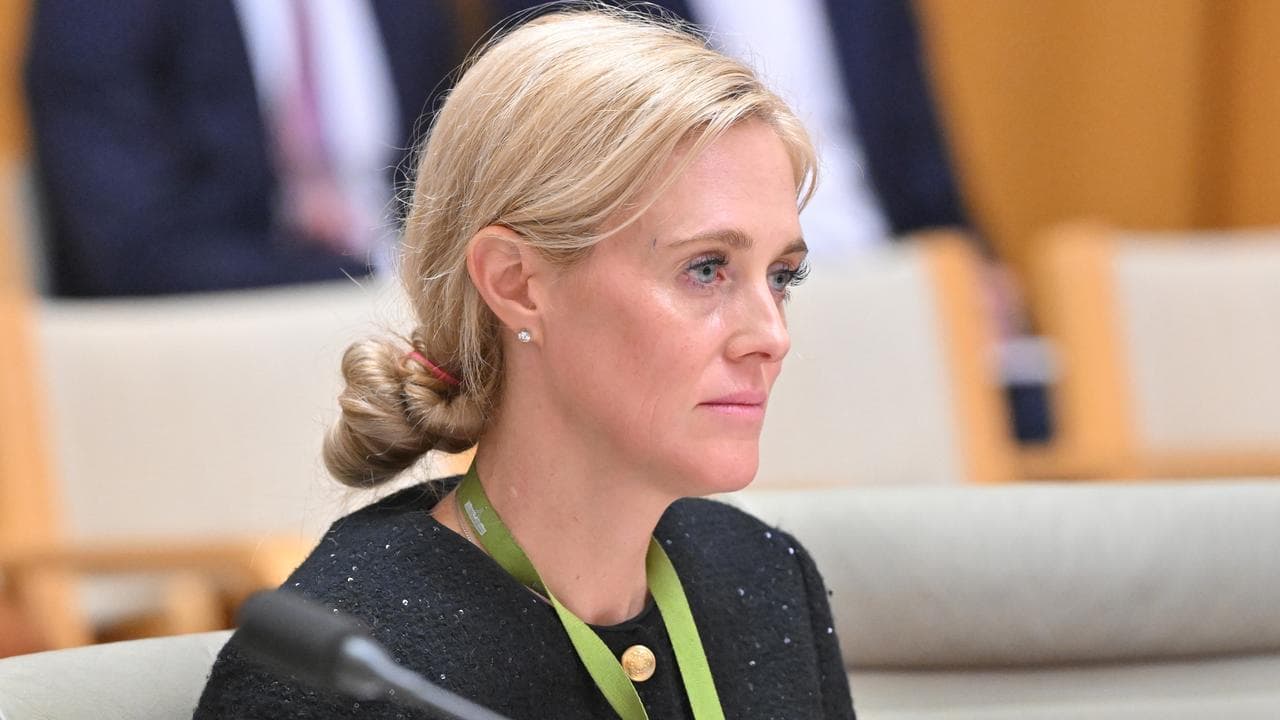
"The Ocean of Peace Alliance is deliberately not prescriptive about what action would be taken," defence department representative Laura Darlington said during hearings in Canberra on Thursday.
"I probably won't get into speculation about what those events (armed attacks) are, but it's deliberately broad."
The agreements were struck to try and curb Chinese influence in the Pacific, with the Asian superpower seeking its own deals around the region.
Its signing in July coincided with Beijing testing a ballistic missile which landed in the Pacific.
Both countries' parliaments will need to ratify the accords before they enter force.
Its hazy language is similar to that of the ANZUS treaty, the bedrock of the Australia-US alliance, which also binds Washington to "meet the common danger" and "consult" when Australia is attacked, not necessarily intervene militarily.
The more detailed Vuvale union, named after the Fijian word for family, commits Canberra and Suva to recognise the ongoing presence of military bases, and visits by non-treaty parties as threats to Pacific security.
Visits did not need to be military-related in order to raise alarm bells, according to foreign affairs department representative Jan Hutton.
"It goes to where there are non-Pacific island country parties that are visiting, whether it's a military visit, whether it's another type of visit that has the potential to undermine Fiji or our security or the security of the region," she said.
Australian and Fijian soldiers will conduct joint exercises on the island nation's soil under the agreements, with Ms Darlington not ruling out potentially integrating some military units.
"That's not planned at the moment, but I'm never going to say never," she told the committee.
Vuvale also spells out shared commitments to achieving net-zero emissions, stamping out international crime, illegal fishing, bolstering cybersecurity and enmeshing security services.
Implementing it will cost Canberra $1 billion over 10 years, $670 million of which will be doled out in grants for policing, health and digitisation as part of the foreign affairs department's aid program currently worth $5 billion a year.


