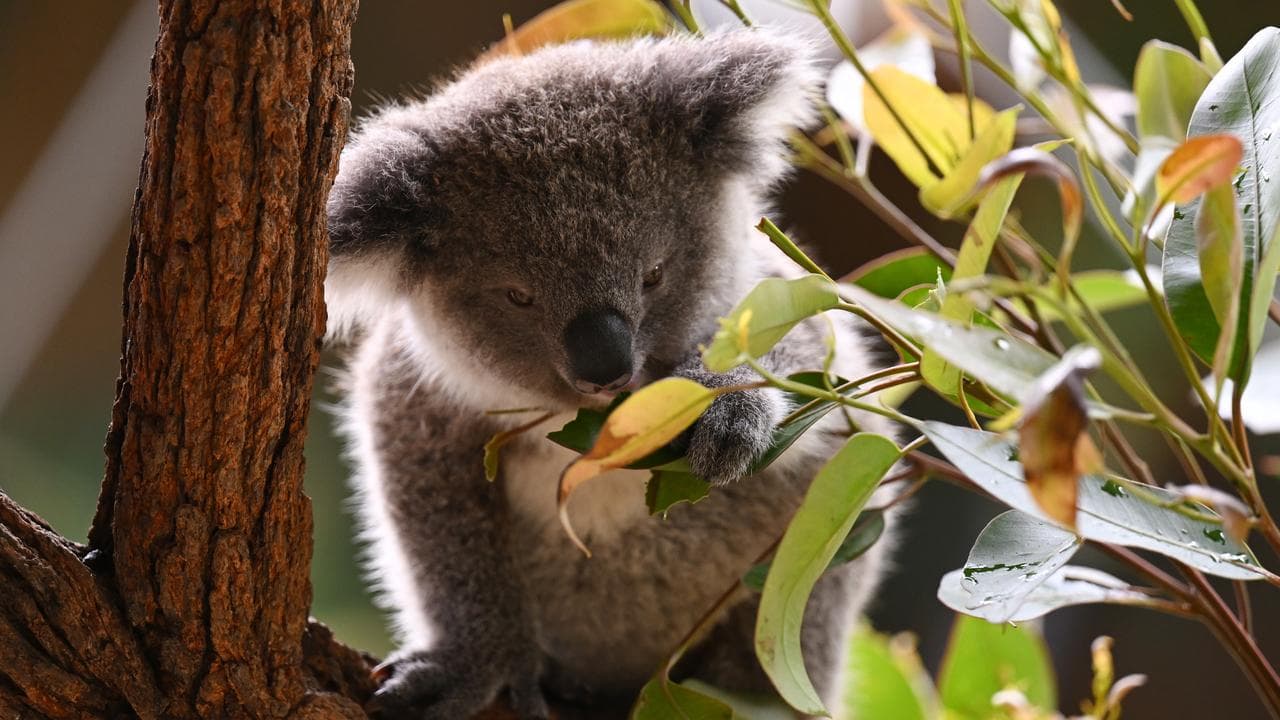
Australia's koala population could be many multiples higher than previous estimates, prompting logging advocates to question the protection of swathes of native habitat.
New tools such as heat-detecting drones and acoustic recorders uncovered an additional 244,000 of the furry marsupials nestled in trees across NSW.
That's a significant jump from previous figures, which put the state's koala population anywhere between 15,000 and 30,000.
The updated estimate of 274,000 - revealed in the NSW government's first comprehensive statewide survey - reflects more accurate monitoring efforts, rather than an actual increase in the koala population.
The survey involved more than 6500km of night drone flights and the analysis of more than 400,000 hours of acoustic recordings of male koalas bellowing during breeding season.
The figures follow national estimates released in November by the CSIRO’s national koala monitoring program, which put the Australia-wide population between 729,000 and 918,000.
That baseline is up from a 2023 estimate of 287,830 to 628,010 koalas nationally.
But advocates say the higher estimates do not indicate an increase in koala numbers.
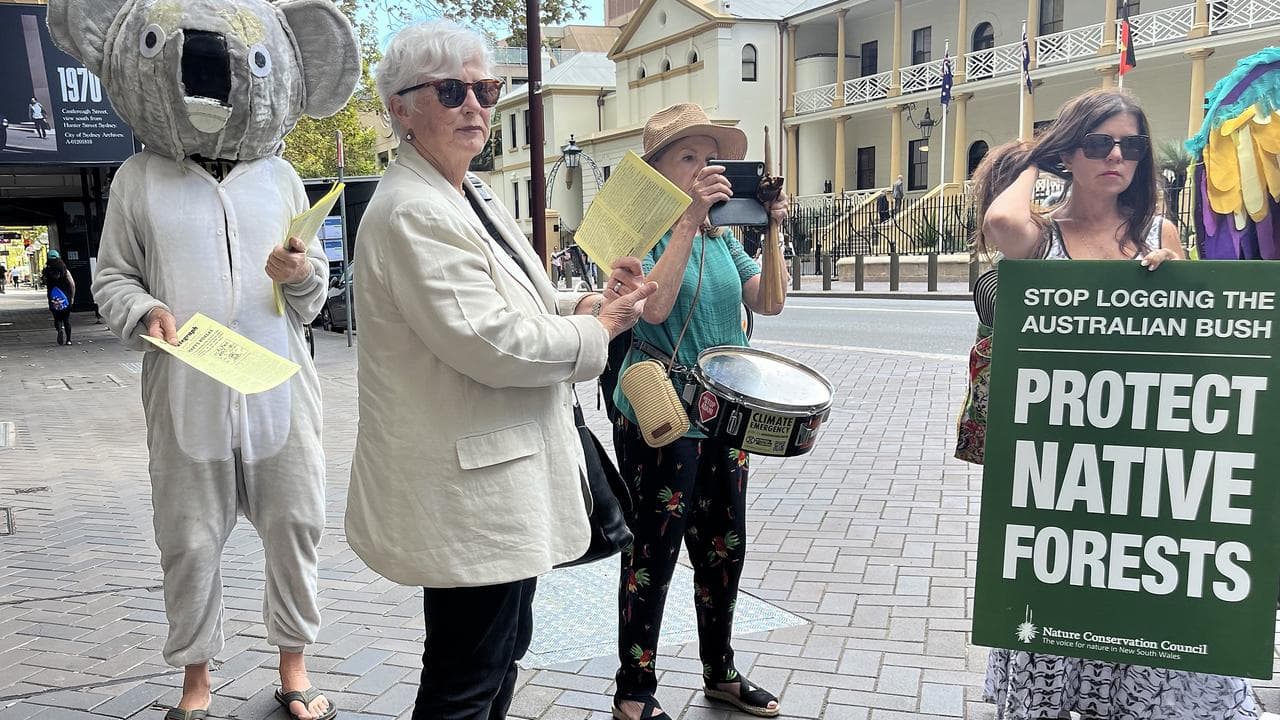
"New approaches like scanning with thermal drones and an increased search effort means we’re getting better at finding existing koalas," World Wildlife Fund Australia's Tanya Pritchard said.
"But make no mistake, koalas have suffered a massive decline."
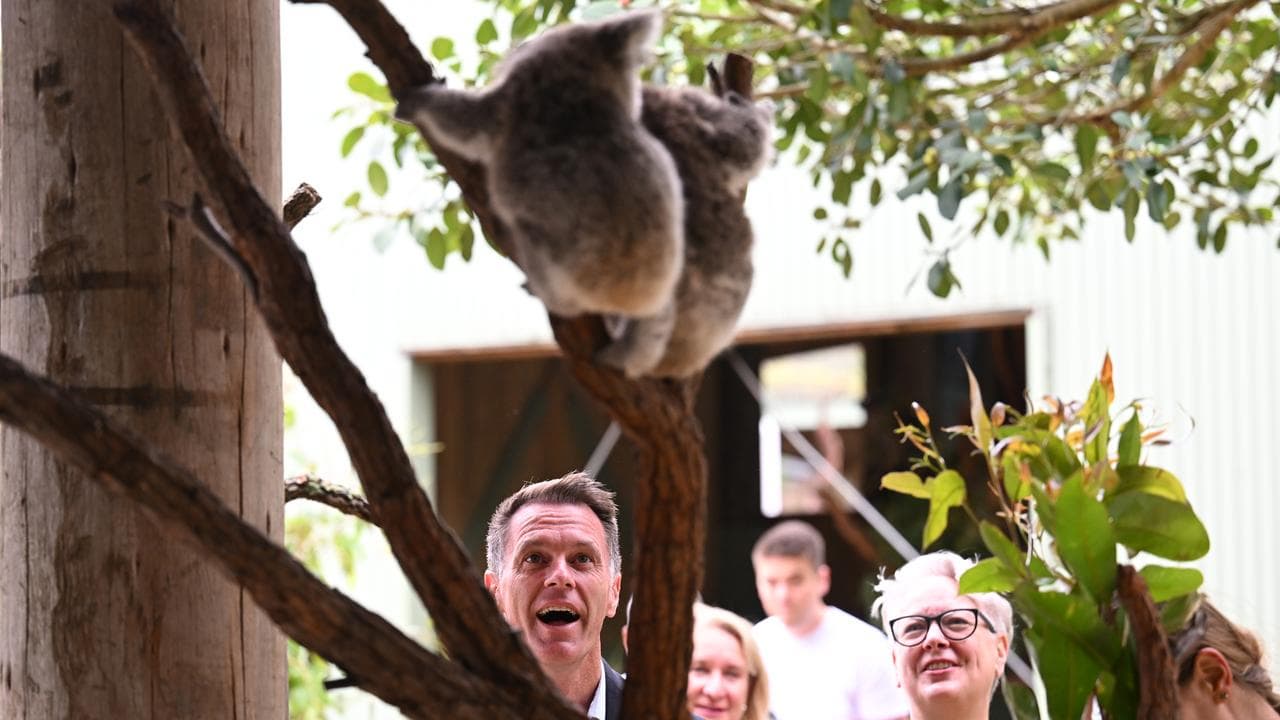
Renae Charalambous from Humane World for Animals said governments could not afford to relax their stances on koala protection.
"Protecting and connecting high-value habitat will give koalas the space and resilience they need to survive long-term," she said.
Koalas were listed as endangered on Australia's east coast in 2022 after reports populations in Queensland, the ACT and NSW had declined by 57 per cent in two decades.
The NSW government in September revealed the proposed outlines of the Great Koala National Park to be established in the state's north, fulfilling an election promise.
It will reserve 176,000 hectares of state forest and connect with existing national parks to create a 476,000-hectare reserve to protect more than 12,000 koalas.
State Nationals MP Michael Kemp, whose electorate of Oxley sits in the proposed park area, said the proposal was based on a false premise and misinformation.
"Koalas are thriving in managed forests and across regional Australia and it’s time the government stopped letting ideology and emotion dictate environmental policy and started leading with data, science and fact," he told AAP.
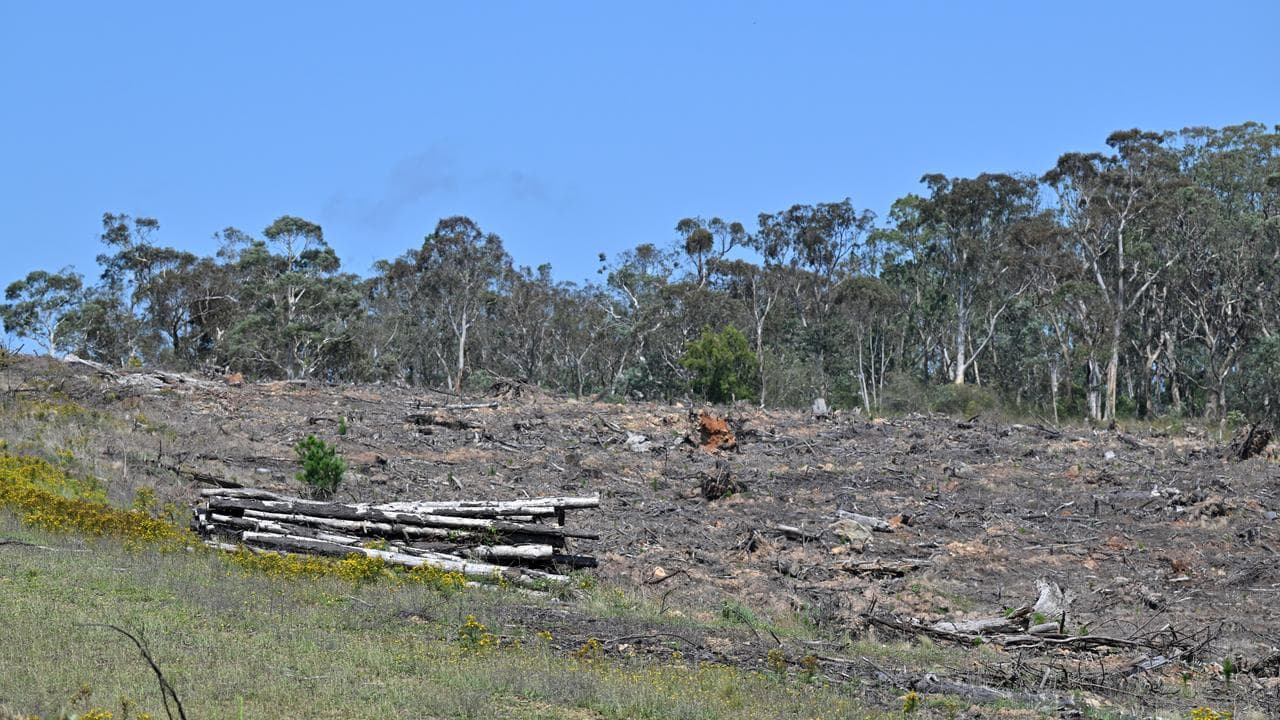
Much to the chagrin of the forestry sector, close to a quarter of the region's timber mills paused operations under a temporary moratorium on the back of the state government's park plans.
Australian Forest Products Association NSW chief executive James Jooste questioned why the koala population survey results were released 10 weeks after the park announcement.
"Why was such critical new data not included in the decision?" he said.
"It should have been central to the park's environmental assessment."
NSW Environment Minister Penny Sharpe said the updated estimate would help guide conservation decisions, but she stressed koalas were still endangered and faced real threats.
"This work helps ensure we are targeting the right areas so that future generations can continue to see koalas in the wild," she said.


