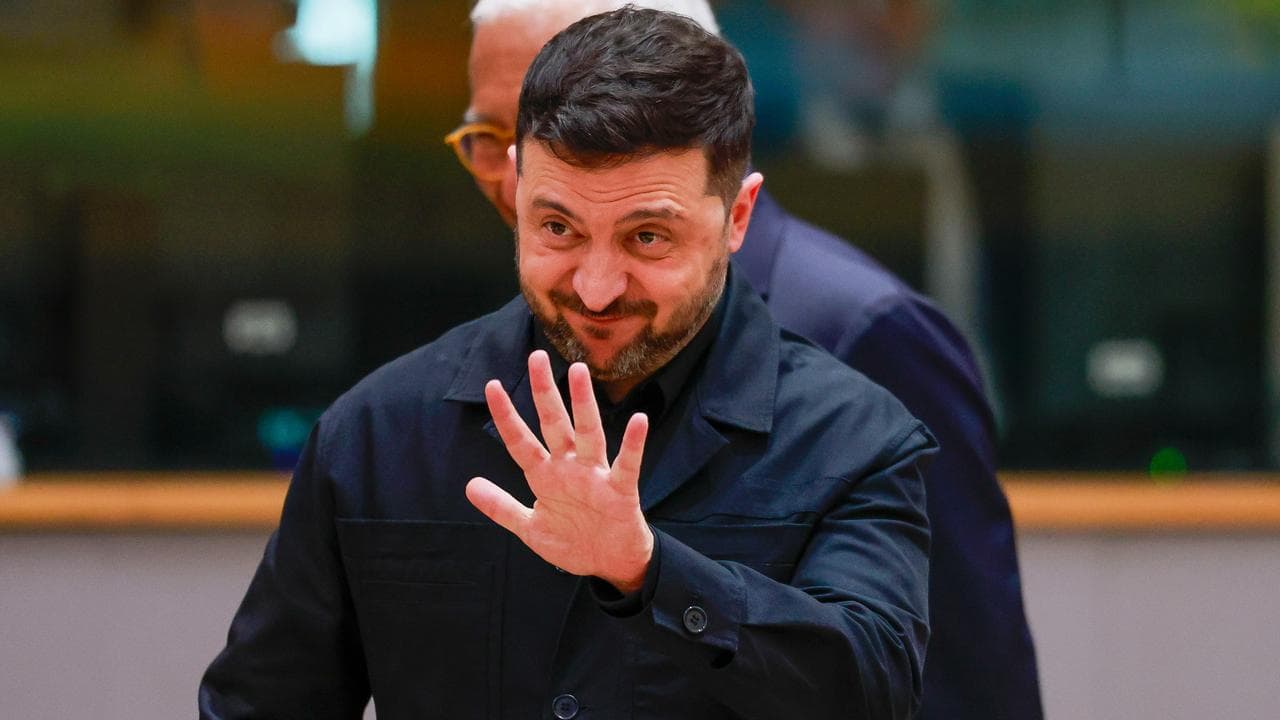
Ukraine has thanked the European Union for deciding to provide it with 90 billion euros ($A160 billion) of support over the next two years - even if the bloc failed to agree on an ambitious plan to use frozen Russian assets to finance this.
The stakes for finding money for Kyiv were high because without the EU's financial help, Ukraine would run out of money in the second quarter of in 2026 and most likely lose the war to Russia, which the EU fears would bring the threat of Russian aggression against the bloc closer.
"This is significant support that truly strengthens our resilience," Ukraine's President Volodymyr Zelenskiy posted on social media on Friday after a Brussels summit of EU leaders agreed the 90 billion-euro loan.
The EU leaders decided in the early hours of Friday to borrow cash to fund Ukraine's defence against Russia rather than use the frozen Russian assets.
The decision followed hours of discussions among leaders on an unprecedented loan based on the frozen Russian assets, which turned out to be too politically demanding to resolve at this stage.
The main difficulty was providing Belgium, where 185 billion euros of the total Russian assets in Europe are held, with sufficient guarantees against financial and legal risks from potential Russian retaliation for the release of the money to Ukraine.
"Indeed, there are moments when one should keep in mind that 'Perfect is the enemy of good'. It was a long night for European leaders but they were able to come up with a workable result," Ukrainian Deputy Foreign Minister Sergiy Kyslytsya said.
Italian Prime Minister Giorgia Meloni also said she was “glad that common sense prevailed, that we managed to secure the necessary resources with a solution that has a solid legal and financial basis".
Meanwhile, Russia welcomed the EU's failure to agree on using its frozen sovereign wealth.
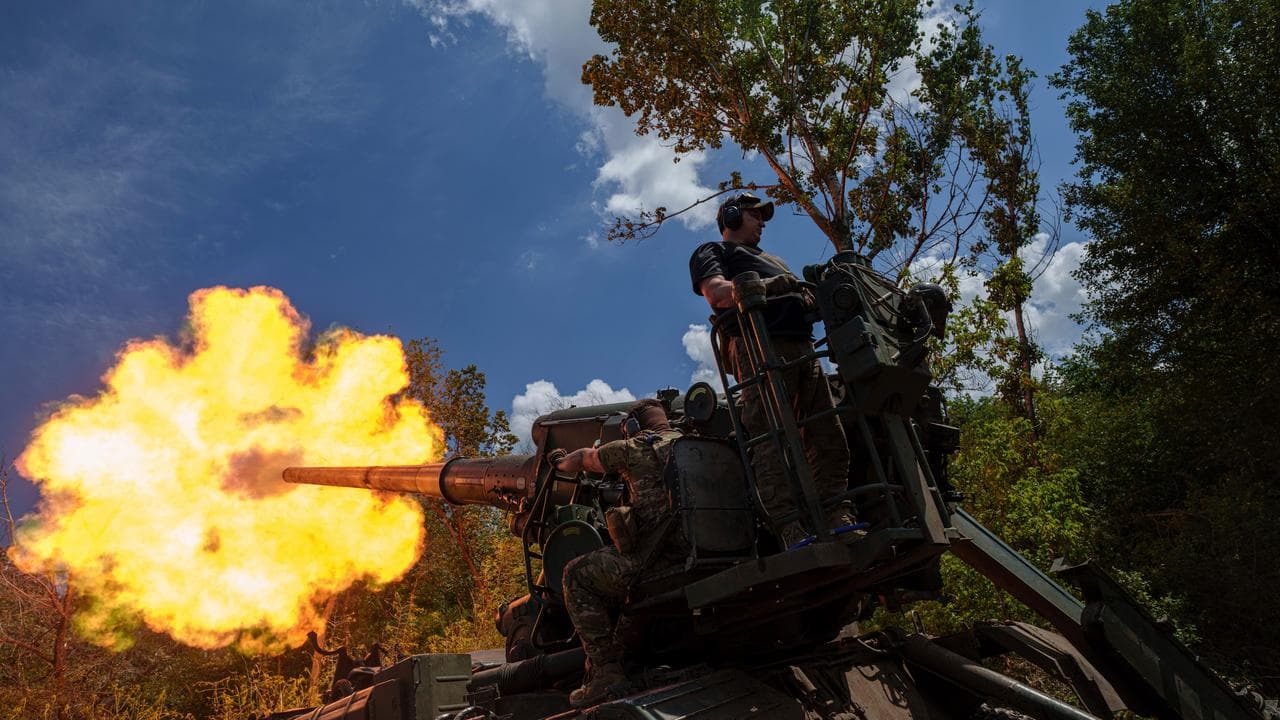
Kirill Dmitriev, Russian President Vladimir Putin's special envoy for investment and economic co-operation, said that "law and sanity" won.
"Major BLOW to EU warmongers led by failed Ursula - voices of reason in the EU BLOCKED the ILLEGAL use of Russian reserves to fund Ukraine," Dmitriev said on X, referring to European Commission President Ursula von der Leyen.
German Chancellor Friedrich Merz, who had pushed hard for a reparations loan backed by the frozen Russian assets but failed to get it over the line, argued this was still a good deal.
"This is good news for Ukraine and bad news for Russia and this was our intention," he said.
On the summit's other major topic, Merz and von der Leyen expressed confidence that the EU would be able to sign a contentious free trade agreement with South American bloc Mercosur in January, despite insufficient backing at the summit.


