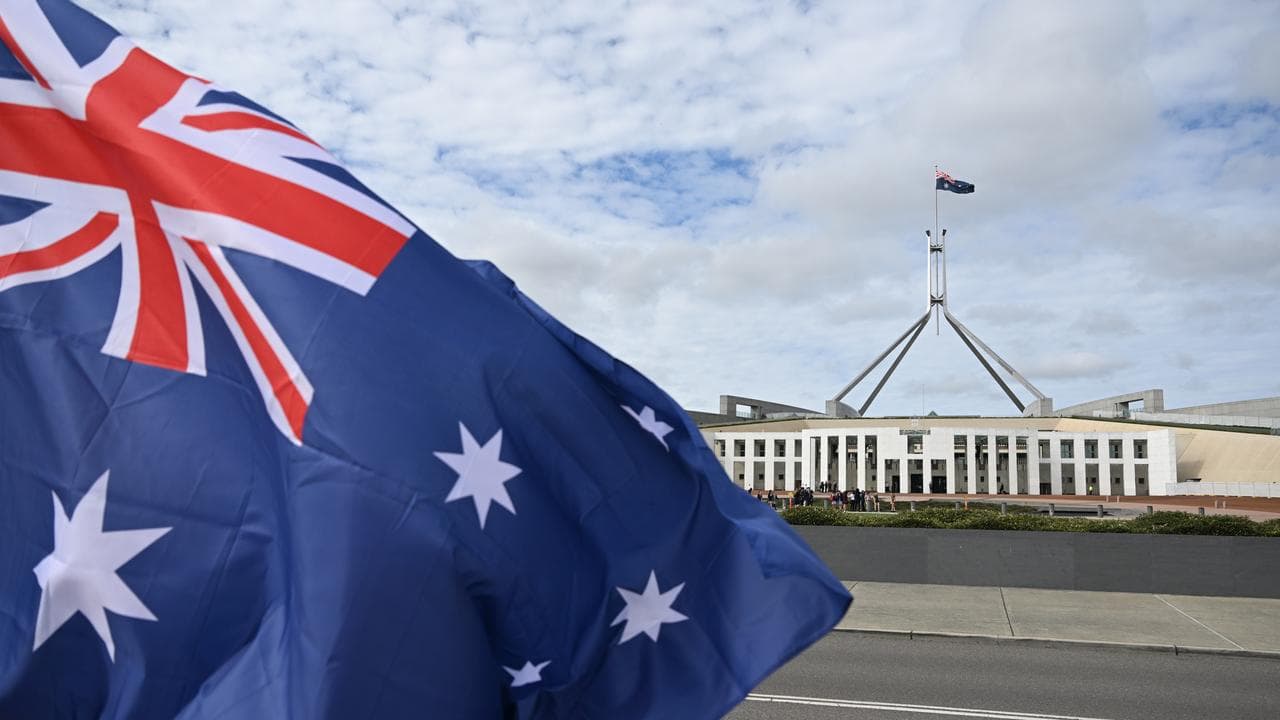
For much of the past century, Labor has promised to end Australia's status as the only developed democracy without a national human rights act.
After several abandoned and botched attempts by previous governments, the landmark reform is again in the in-tray.
A government-tasked parliamentary committee report is the latest to recommend change and Hobart-based MP Andrew Wilkie has introduced a private member's bill to legislate it.
The coalition is firmly opposed but the Greens have signalled support, meaning Labor has the numbers to pass the law.
However, Anthony Albanese's government is proceeding with caution, with Attorney-General Michelle Rowland saying for two years it is "carefully considering" the complex policy area.
History - and a hard-nosed read of the political environment - suggests Labor is unlikely to enact a human rights act, even as advocates contend the time is right.
"We have royal commissions indicating what happens when human rights standards are not in federal law," Daney Faddoul, campaign manager at the Human Rights Law Centre, tells AAP.
He is referring to the 2018 aged care and 2019 disability probes, which found mass breaches of human rights and a need to legislate protections to prevent future abuse.
Also the subject of a 2022 royal commission, the infamous Robodebt scandal is another product of a public service which doesn't centre the rights of its citizens.
"Our constitution has very few human rights protections in it," Australian Human Rights Commission president Hugh de Kretser says.
"It's then left to parliament and the common law to protect people's rights.
"In every other comparable democracy that's been done either through constitutional protection or through a human rights act."
Both the commission and law centre are part of a huge civil push for a federal act.
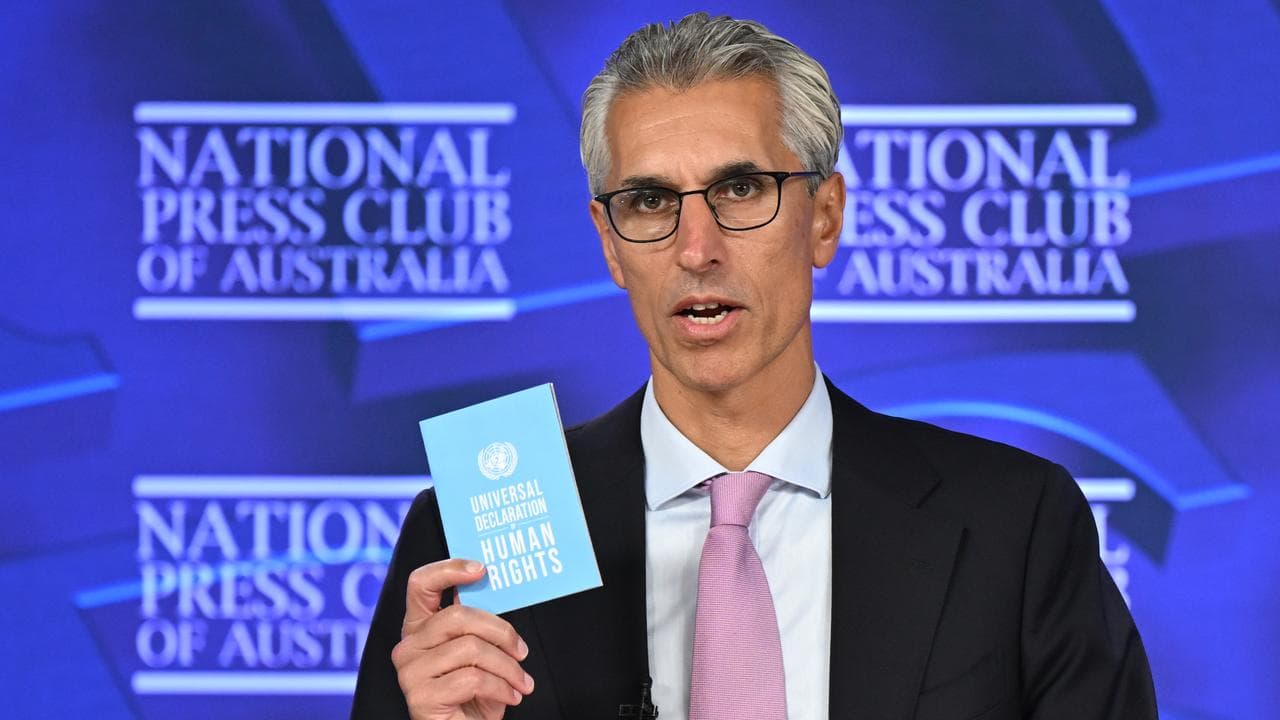
More than 175 organisations, including peak bodies, religious groups, legal bodies, unions, disability advocates, service providers, and ethnic communities have signed up.
At its heart, the reform is very simple: to codify into a single law the rights Australia has already agreed to protect in international treaties.
It gets complicated in the nitty-gritty.
Questions like what rights to include, how strictly they should be enforced and whether courts can strike down inconsistent laws.
For that reason, most advocates - and the Albanese-ordered 2024 committee - recommends the 'dialogue' model in place in Victoria and New Zealand.
Under this approach, public bodies (including departments, police, courts, and more) must enforce human rights standards, while the government retains the right to enact laws contradicting human rights, so long as it tells parliament when it does so.
"The model we're recommending is very closely aligned to the UK or New Zealand model, and that's the model adopted in the ACT in 2004, Victoria 2006 and Queensland in 2019," Mr de Kretser says.
"A simple act of parliament, so parliament can change it whenever it likes, that lists every one of the rights that people in Australia enjoy in the one place."
The question of how to embed human rights in law has been considered at a federal level for more than a century but most recently by Labor.
It was first discussed prior to federation, when founding fathers opted against a fulsome suite of rights in the constitution, partly for racist reasons.
Gough Whitlam's government acceded Australia to two key international rights covenants and, through attorney-general Lionel Murphy, sought to put them in Australian law in 1973, with beefed-up powers.
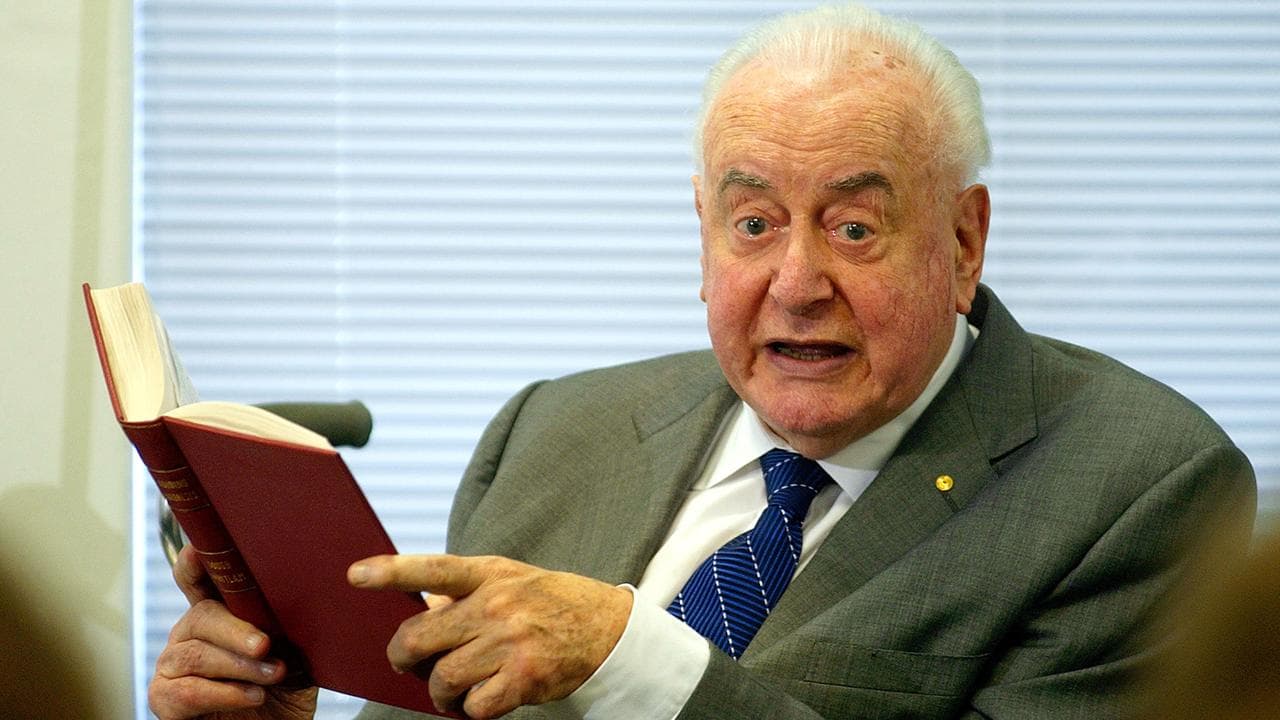
A backlash meant it never re-introduced the bills after the 1974 legislation and a decade later, Bob Hawke's government similarly abandoned a fresh bid before a second effort was scotched in the Senate.
Under Kevin Rudd, the government ordered a nationwide consultation, which became Australia's largest ever public inquiry.
It recommended a human rights act but the government settled on watered-down changes, disappointing countless Australians who submitted in favour of an act, at a ratio of 7:1 over its detractors.
AAP reported this week that inquiry chair Frank Brennan was left, mid-inquiry, without hope the reform would pass after a crunch meeting with NSW Right warlord Mark Arbib.
It was not a secret that senior Labor MPs were divided on the issue, with some, like NSW premier Bob Carr openly campaigning against reform.
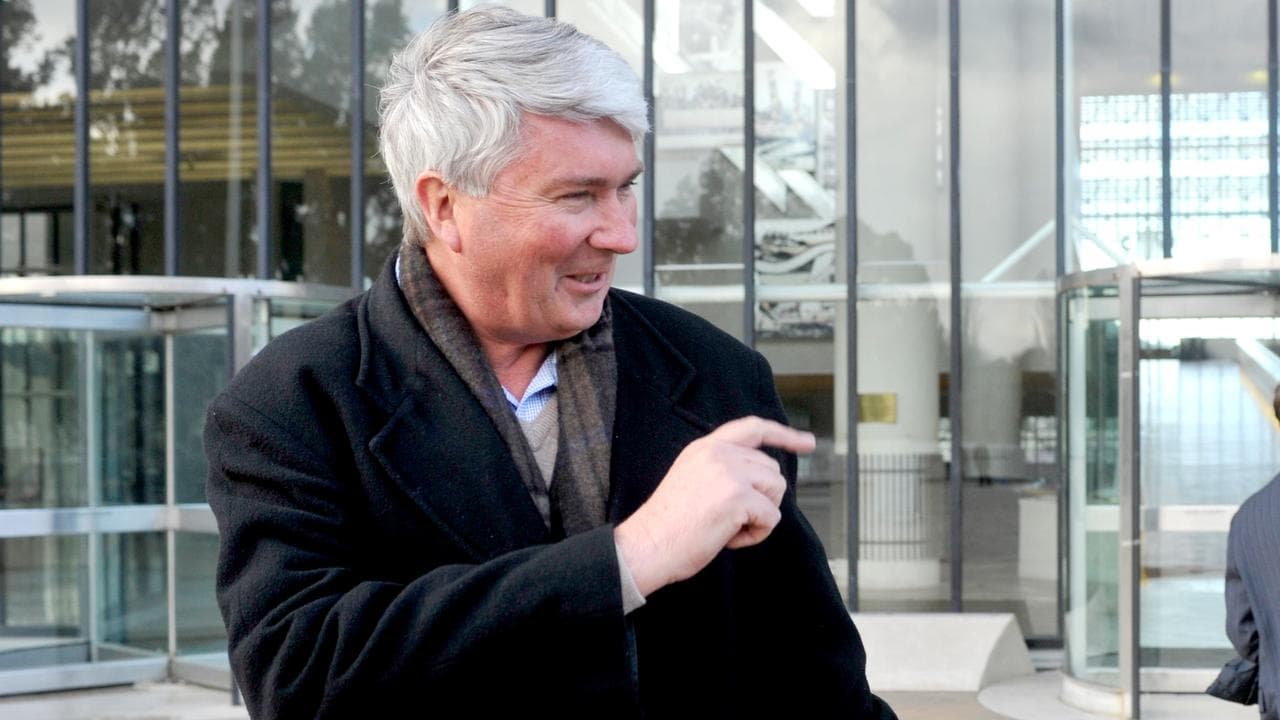
While Mr Carr changed his tune last year - telling Nine newspapers he was open to the proposal in NSW - some Labor MPs apparently hold similar concerns today.
Fr Brennan said then, as now, Labor "had concerns that whatever might come across parliament's plate, that without a human rights act they could act as they saw fit".
"With a human rights act, there'd be restrictions, and why would you voluntarily impose these restrictions on the parliament?" he tells AAP.
In particular, he and others have cite the challenge of asylum seekers, while the intersection of hate speech laws and freedom to expression brings another legal clash to solve.
"There's no way they'd want a human rights act standing in the way," Fr Brennan says.
For their part, shadow attorney-general Michaelia Cash says the coalition is firmly opposed.
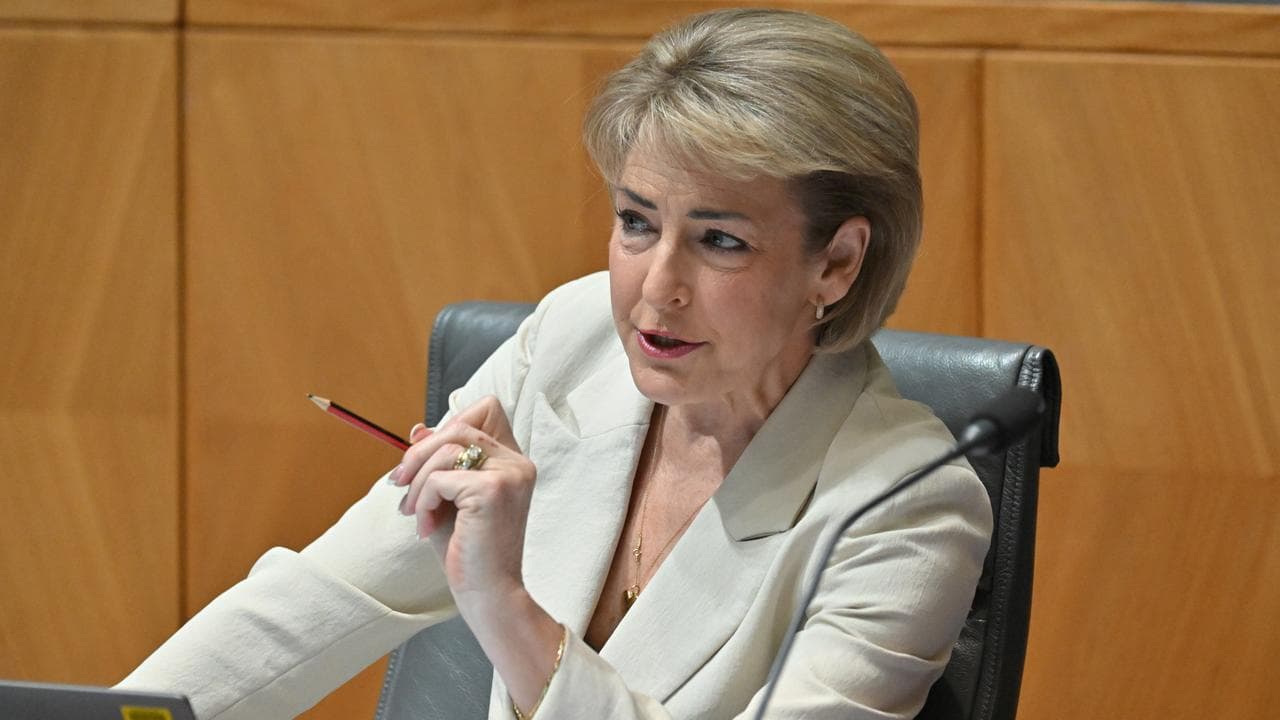
"It is unnecessary, divisive and dangerous and should not be adopted," she says.
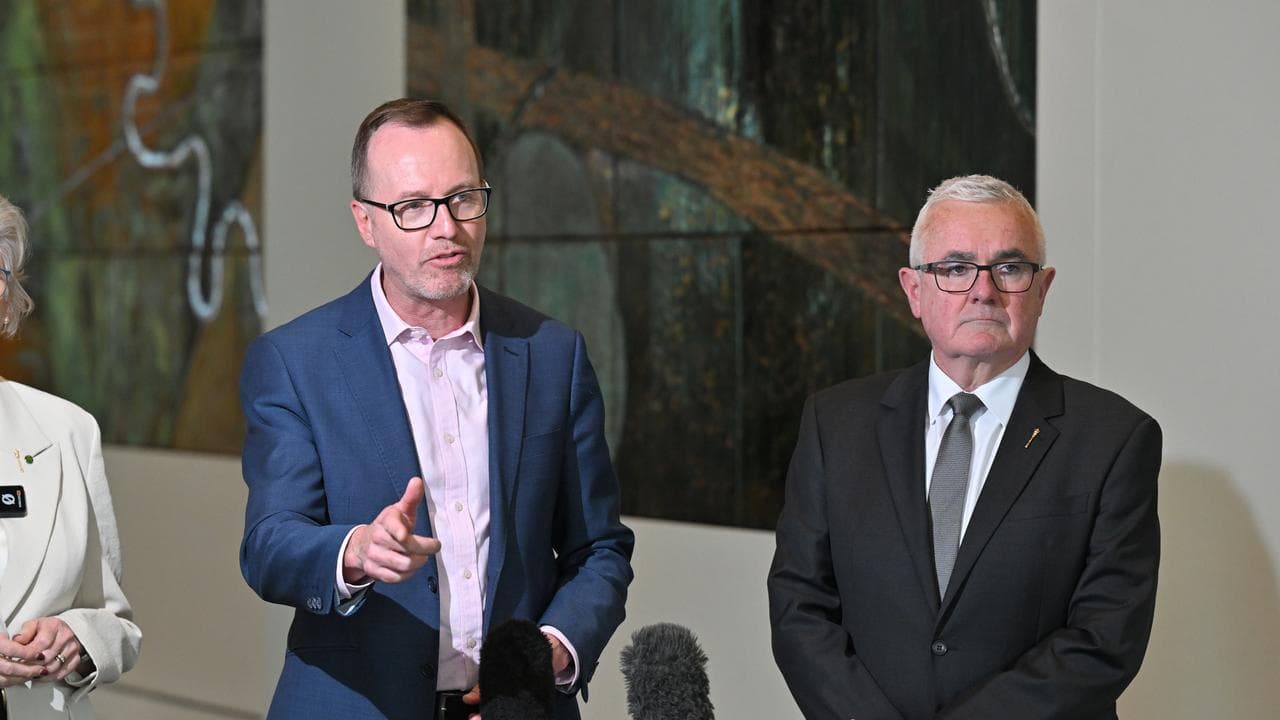
The Greens are pledging to pass reform, with Senator David Shoebridge, the party's justice spokesman, telling AAP they have been "ready for years".
"There has never been a better moment to legislate a human rights act," he says.
"The Robodebt scandal, indefinite immigration detention, the floundering NACC all mean Australians have seen what happens where there is no meaningful check on government power and know it's time to put one in place."
A spokesman for Ms Rowland says the government is "committed to protecting and promoting human rights" but the reform, as outlined by the 2024 parliamentary committee, is complex.
"As the committee’s recommendations have links to work across government, thorough consideration is required to ensure a holistic approach to ensuring the rights and freedoms of all Australians are respected and protected," he says.
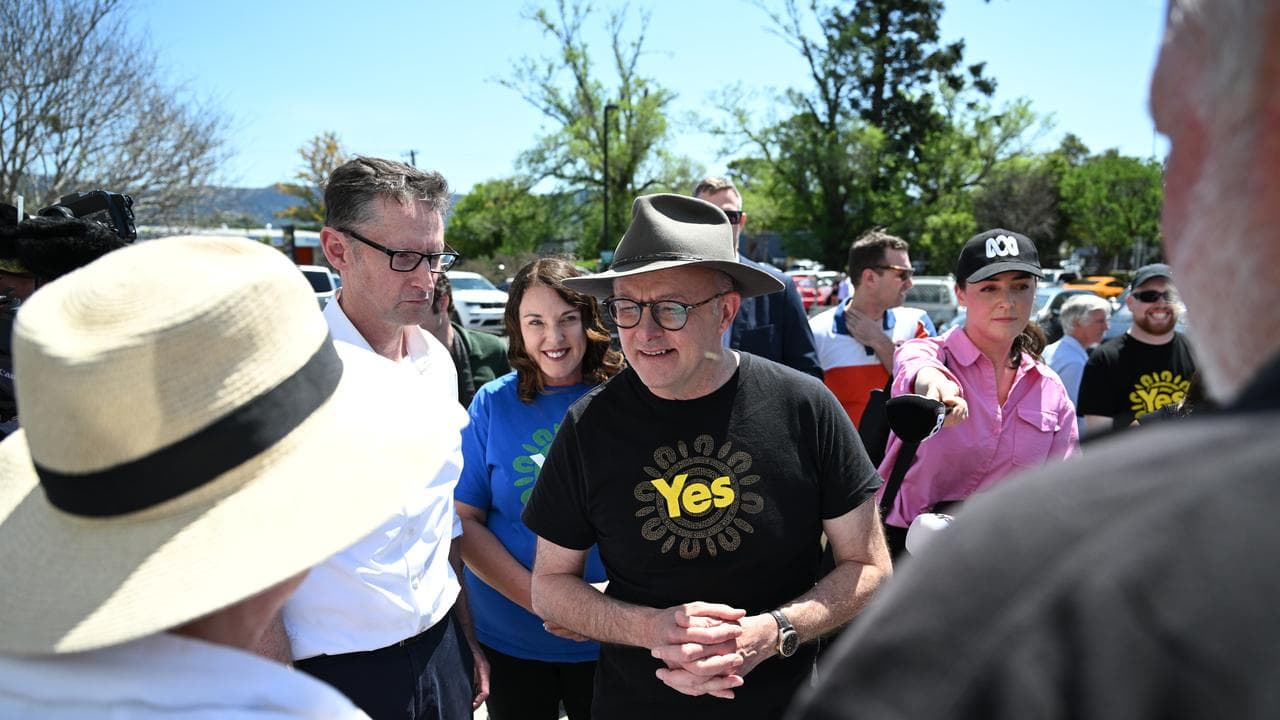
As many a political analyst also notes, the Albanese government has shown it is wary of attempting too many contentious reforms at once, especially in the shadow of the failed Voice referendum.
Mr Albanese has suggested that one lesson of the referendum is that big reforms need bipartisan support, which a human rights act would not have.
Labor is also resetting its political equilibrium to account for the growing popularity of One Nation.
In that context, while the offer of stronger protections to freedom of speech and religion may appeal, the notion it would deny itself potential tools to combat national security threats could leave Labor open to accusations it is soft on security.
Still, Mr Faddoul remains hopeful.
"There are a number of issues where the federal government has clearly ruled out that they're going to move on," he says.
"This is one where they continue to be saying that they're considering it ... if this was something which they thought was was problematic, why haven't they said no?"


