
The government is downplaying calls for creatives to give up their intellectual property without compensation, after a major artificial intelligence company threatened to ditch hosting training centres in Australia without the change.
OpenAI senior vice president Ann O'Leary said in an interview with The Australian that relaxed copyright laws could open the door to more advanced AI infrastructure being built domestically.
The government has already opened the door to energy-hungry data centres which power AI models across the country, but has not approved the development of training centres which are required to develop the AI models.
Ms O'Leary said OpenAI won't build training centres or the renewable energy to support them in Australia if the copyright law remains as it is.

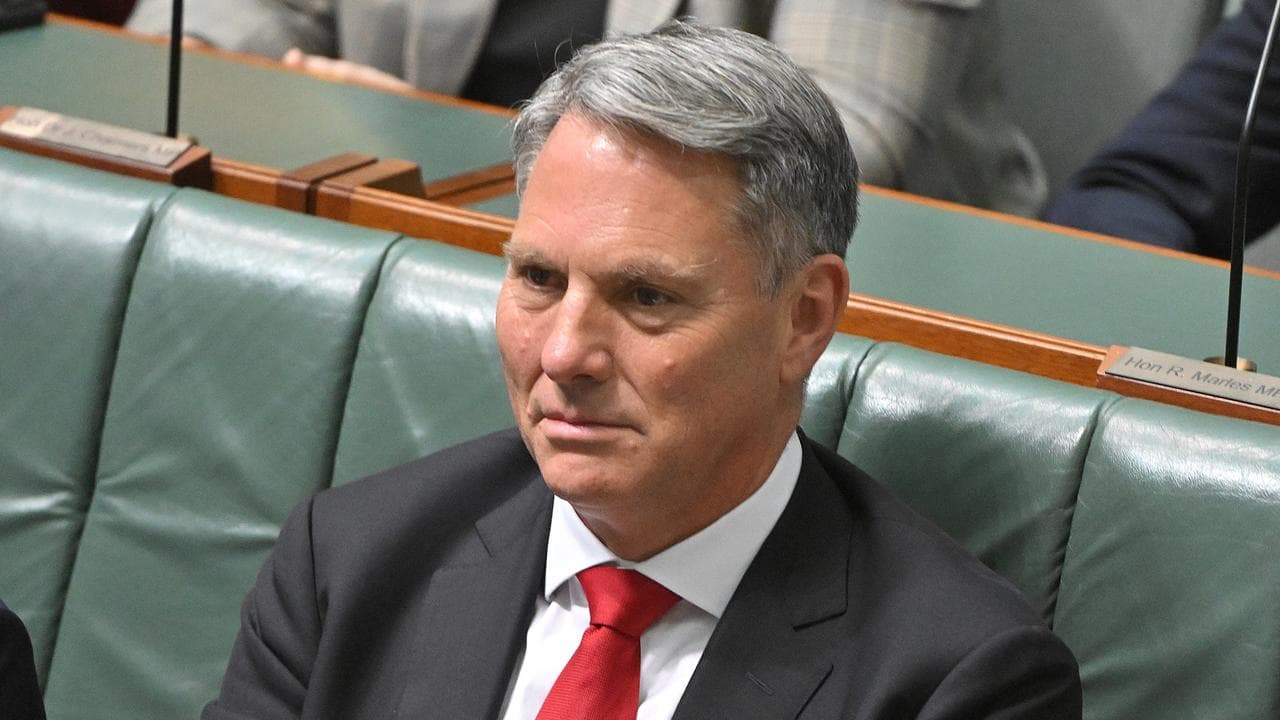
Deputy Prime Minister Richard Marles said the comments made by Ms O'Leary have been blown out of proportion.
"It's a historic opportunity for our nation, but we need to be doing it in a way which protects rights holders," Mr Marles told News24.
"I think you can do both. ... having now had the conversations with the tech companies as well as news organisations."
The opposition went further, with Nationals leader Matt Canavan saying the company won't get far by giving ultimatums.
"I don't think we should negotiate with people that want to blackmail us like that," Senator Canavan told News24.
"The whole reason we want to potentially house these models is because we would be partnering with what has been a friend or an ally, and I don't think friends or allies make these kinds of threats."
The prime minister pushed back on calls to water down copyright laws to benefit AI firms during a major speech in July, when he announced a national framework for the rapidly expanding technology.
"No company should use Australian books, music, art, or news to build or train AI without the artist's control, and that includes the artist's control of the price and value of their work," Anthony Albanese said.
It follows recent calls from Anthropic and OpenAI bosses urging a "pacing" of AI advancements, including independent monitoring of models and global regulation.


