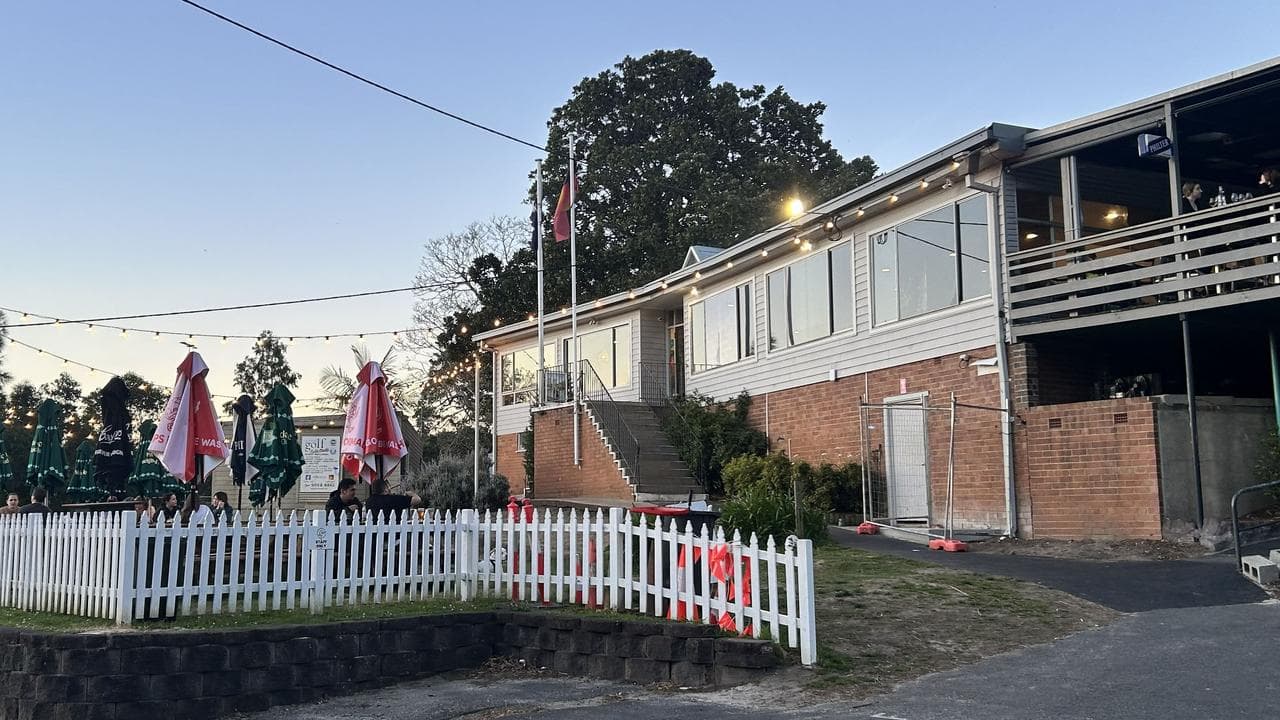
New revelations about federal funding to the Marrickville Golf Club are likely to add heat on Prime Minister Anthony Albanese as a Senate probe looms.
The government is spending $6 million on upgrades to the club in Mr Albanese's electorate through a contentious invite-only funding scheme.
The $560 million major and local community infrastructure program is the government's vehicle to fund dozens of minor election promises across the country.
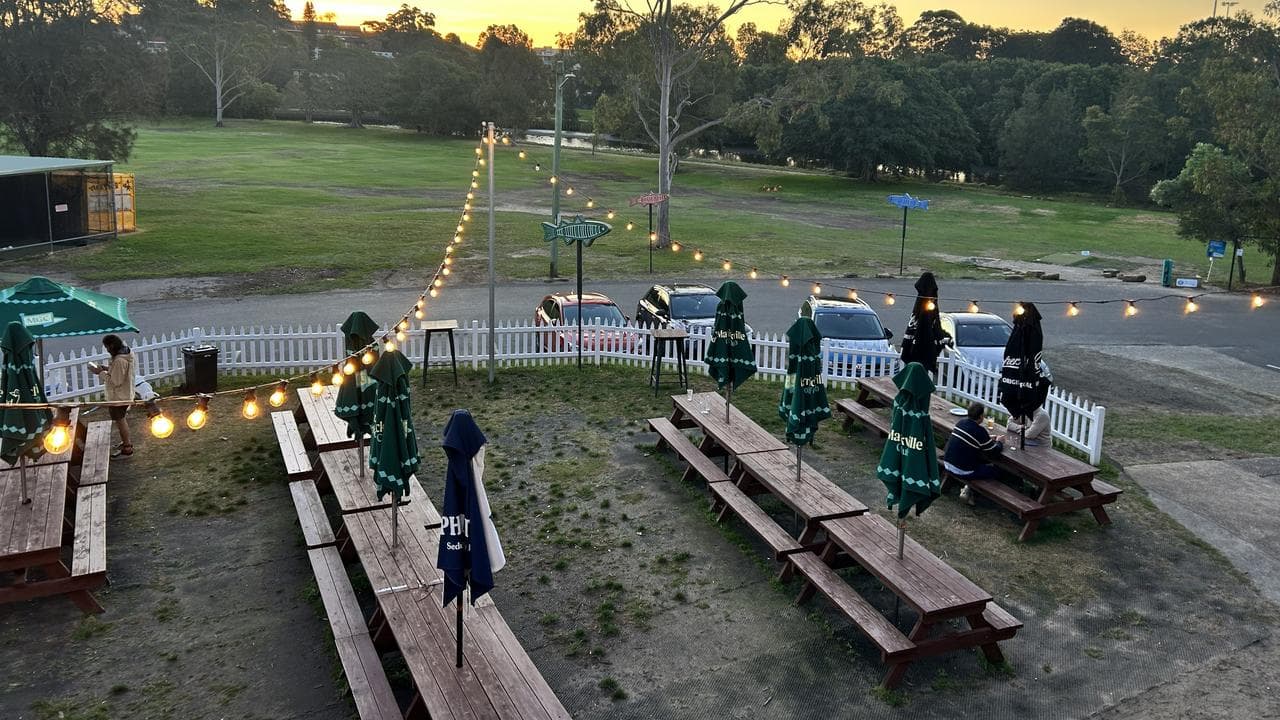
Earlier in September, Mr Albanese told the ABC the funding to the inner west Sydney golf course was to fix a sewage runoff problem.
"When it rains and there's flooding, raw sewage goes into the Cooks River," he said.
"That's what it's for, for fixing that.
"I make no apologies for my electorate being serviced by me as a good local member."
However, neither the club or Mr Albanese's election commitment in 2025 mentions sewage.
Instead, the club told its members $4.5 million will be spent on a clubhouse redevelopment, $1 million on stormwater harvesting and the rest on a "native species botanical garden".
To fix sewage flows, the club received $269,000 from the NSW government in 2025.
In addition to the recent largesse, the club has received five other small-scale federal grants since 2021.
Taxpayers have spent more than $21,000 on toilets, $12,000 on energy-efficient downlights, $11,000 on computer terminals, $9000 on benches and $3400 on trees for the Queens Jubilee.
On Tuesday, University of Sydney professor Anne Twomey said each grant was made in a similar invite-only fashion.
"Every single one of these grants was a closed non-competitive grant, and the ones that were made while Labor was not in office were made because the local member was Mr Albanese," she said.
"Based on criteria where whoever happens to be the local member who's elected in the electorate, they get to nominate who gets the the money."
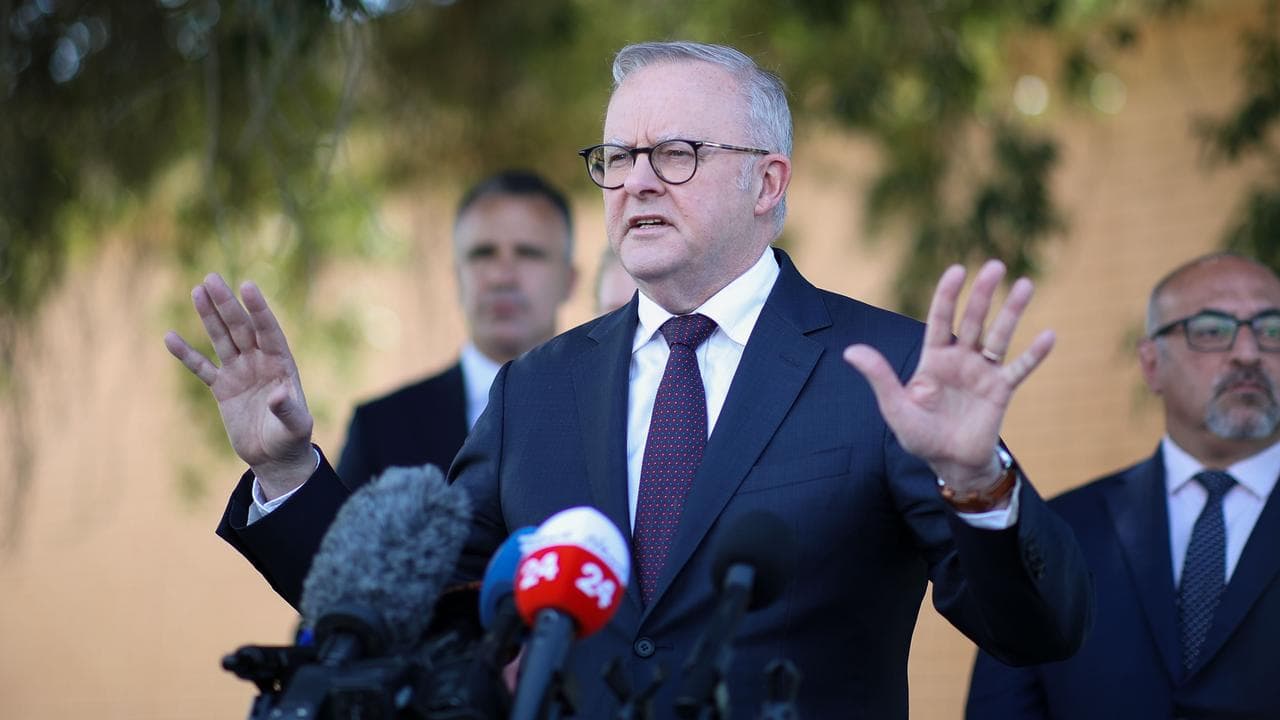
Prof Twomey declared it "pork-barrelling" at odds with a meritorious process.
"It's politicians making decisions on a political basis about who gets the money, and doing it for political interest rather than acting in the public interest," she said.
The infrastructure funding program will be the subject of two days of Senate hearings in October, when the opposition and Greens probe the process behind grant selection.
AAP has been told the committee will seek to have the prime minister and infrastructure minister appear and answer questions about the scheme.
This appears extremely unlikely because, as lower house ministers, they cannot be compelled to attend.
The committee may also seek to probe staffers and senior public servants involved in decision-making.
Interest in the program was sparked by research by the Centre for Public Integrity in August, which hosted Prof Twomey on the webinar on Tuesday.
ANU professor Ian McAllister, who has run the Australian Electoral Study since 1987, said research into the previous coalition government's "sports rorts" scheme showed no political pay-off.
"In terms of the electoral effects, we found zero effect," he told the webinar.
"If you work in my area, doing a lot of statistical modelling, you think you've made some incredible error in the data, and you've got to go back and check it.
"It was absolutely true. There's zero electoral effect."
Dr McAllister said politicians - who increasingly come from the ranks of full-time party employees - believed that to be false.
"These are not necessarily the sorts of people you actually want looking after public money and looking after grants," he said.


