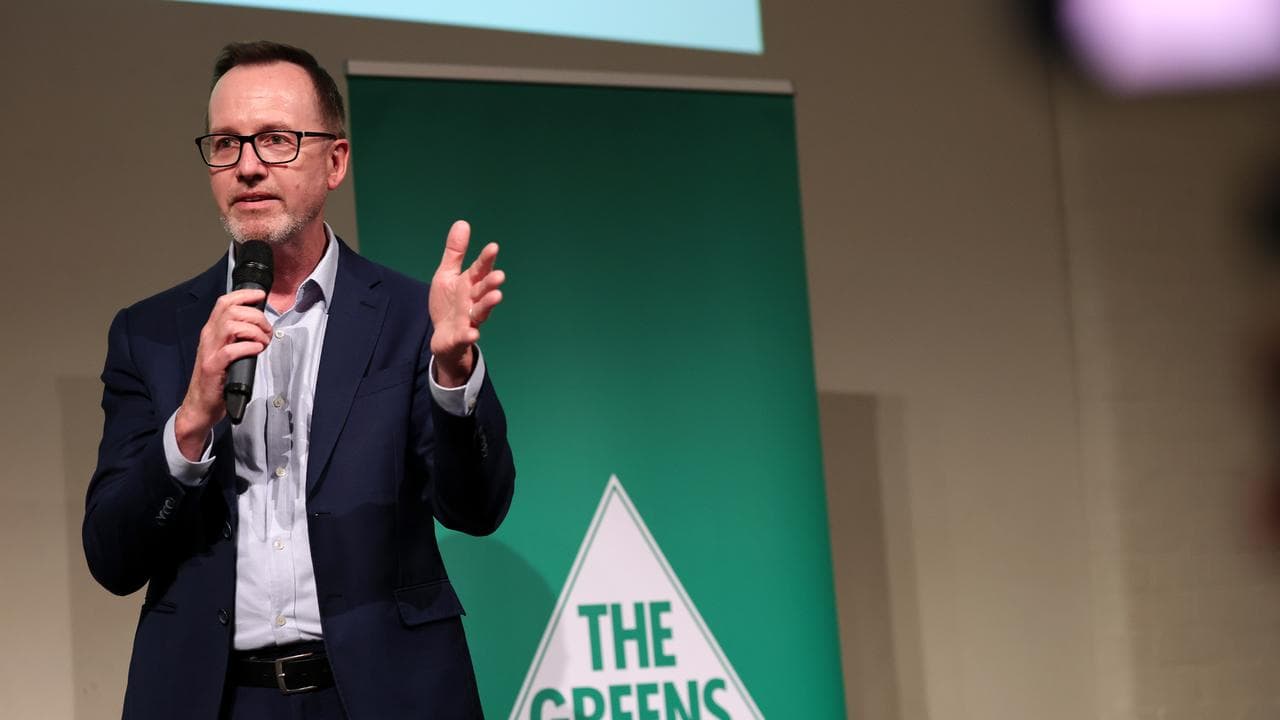
The Greens won't be Labor's "handmaidens", David Shoebridge has warned as he prepares for a fight with the government over its plan to hike taxes on trusts.
Laws to impose a 30 per cent minimum tax on trusts, which Treasurer Jim Chalmers plans to introduce to parliament in coming days, are broadly supported by the Greens and Senator Shoebridge.
But the party's recently-appointed leader, who is regarded as a more combative figure than his predecessor Larissa Waters, says Labor won't be given an easy ride on imperfect legislation.
"We're not interested in being the handmaidens for yet another empty messaging exercise by the Labor Party," he told reporters in Canberra on Monday.
Senator Shoebridge agrees with the intent of clamping down on wealthy Australians' ability to use trusts to minimise tax.
But he said the Greens would not support the bill if it contains a bunch of concessions which compromise that intent.
The government is yet to release the final legislation, but a consultation draft released in September included a workaround for small businesses to avoid the new minimum tax.
The exemption would prevent businesses that use a discretionary trust from having to pay the tax if they make fixed income distributions instead.
While the Greens are concerned the exemption goes too far, businesses say the workaround is unworkable.
The changes, announced in the May budget, were never going to go down well with small business owners, who use the arrangement to minimise tax, protect their assets and arrange succession planning.
But it comes at a particularly testy time in Labor's relationship with the business community, following a spat over a ban on card surcharges and rising cost pressures.
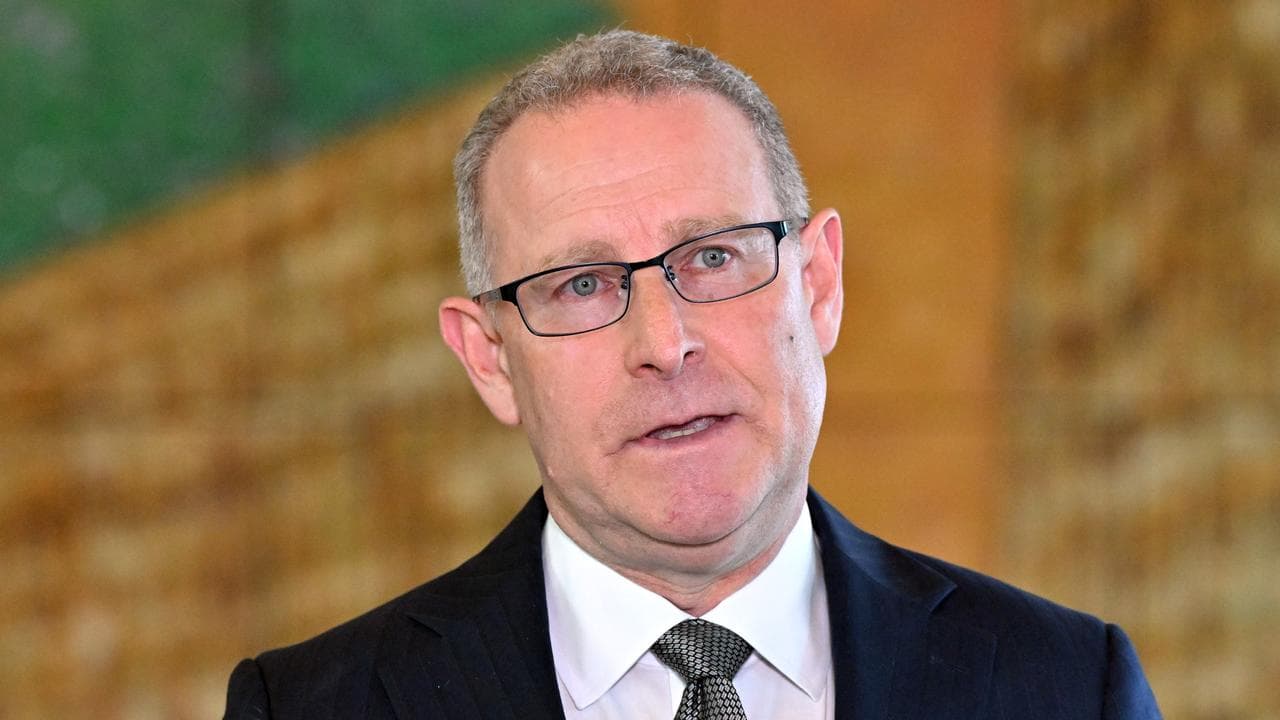
"We can't have a situation where small business becomes the punching bag of government," Andrew McKellar, chief executive of the Australian Chamber of Commerce and Industry, said.
The new tax would hit 240,000 small businesses, forcing many to restructure into a company and face tens of thousands of dollars in legal fees, financial advice, stamp duties and other costs, Mr McKellar said.
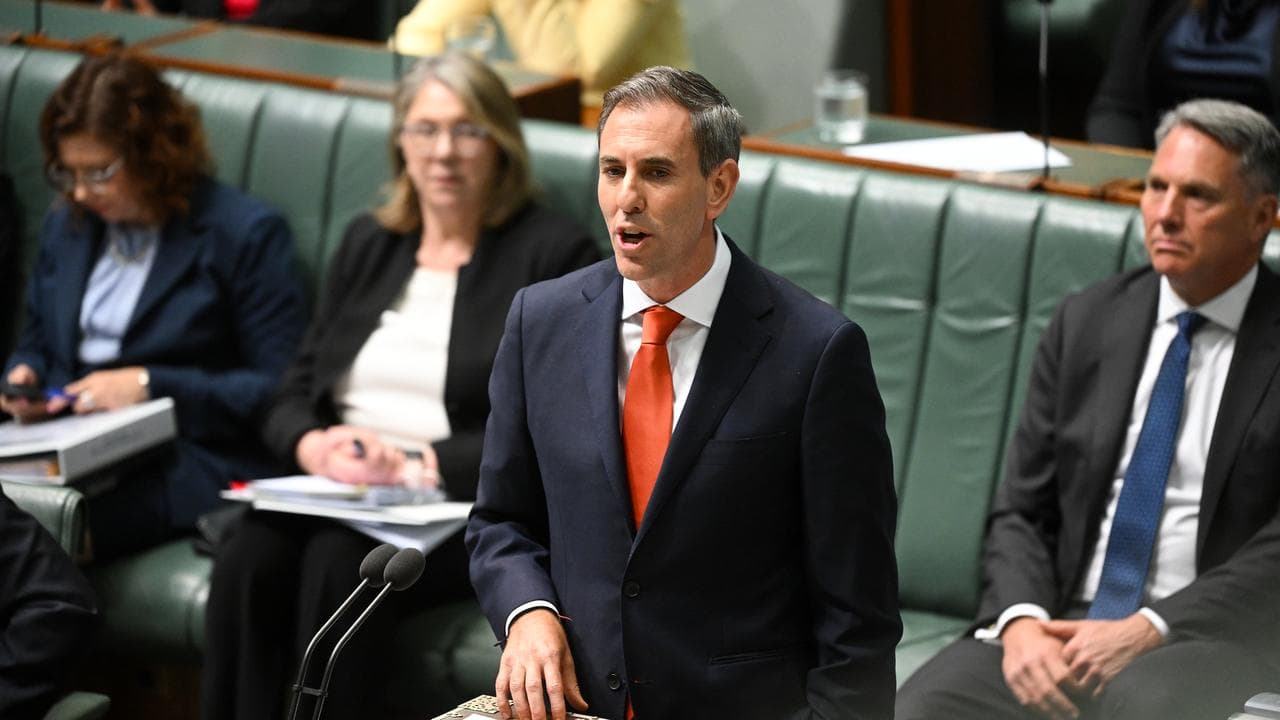
Dr Chalmers played down the impact of the changes on business.
About 90 per cent of total private wealth in trusts is held by the wealthiest 10 per cent of households, and less than 10 per cent of small businesses will be affected by the changes, he said.
"Our changes will better align the tax treatment of income from assets and income from wages, and help fund tax cuts for workers," Dr Chalmers told question time.
Treasury projected the changes to raise $4.5 billion a year in tax by 2029/30.


