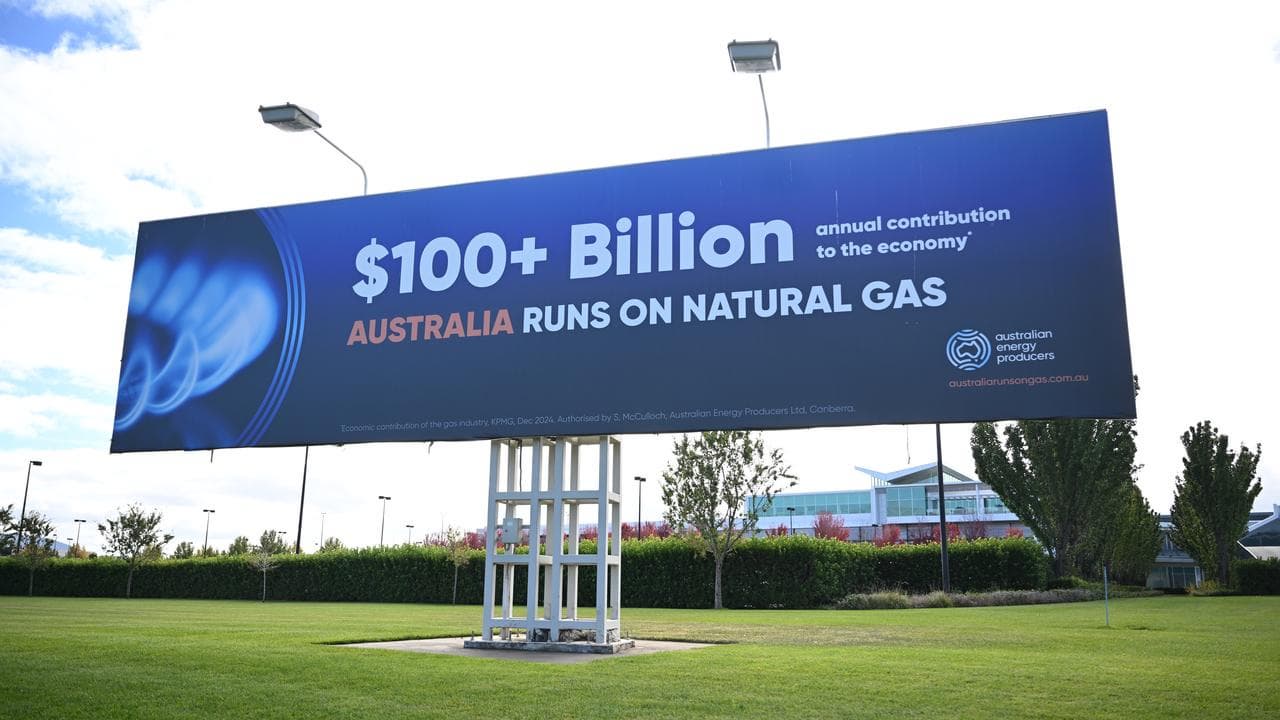
A plan to ease power prices by making gas producers set some of their product aside for Australians could now let companies export all of their gas overseas in some cases, but Labor insists it is not back-tracking.
Skyrocketing energy prices and forebodings of shortages on the east coast prompted the government in May to announce gas companies would be forced to supply the equivalent of 20 per cent of their exports to Australian consumers.
But that mandatory amount could now be as little as zero under tweaks to the proposed scheme announced on Thursday, which include a move to ensure the domestic market is oversupplied 10% more than forecast demand.
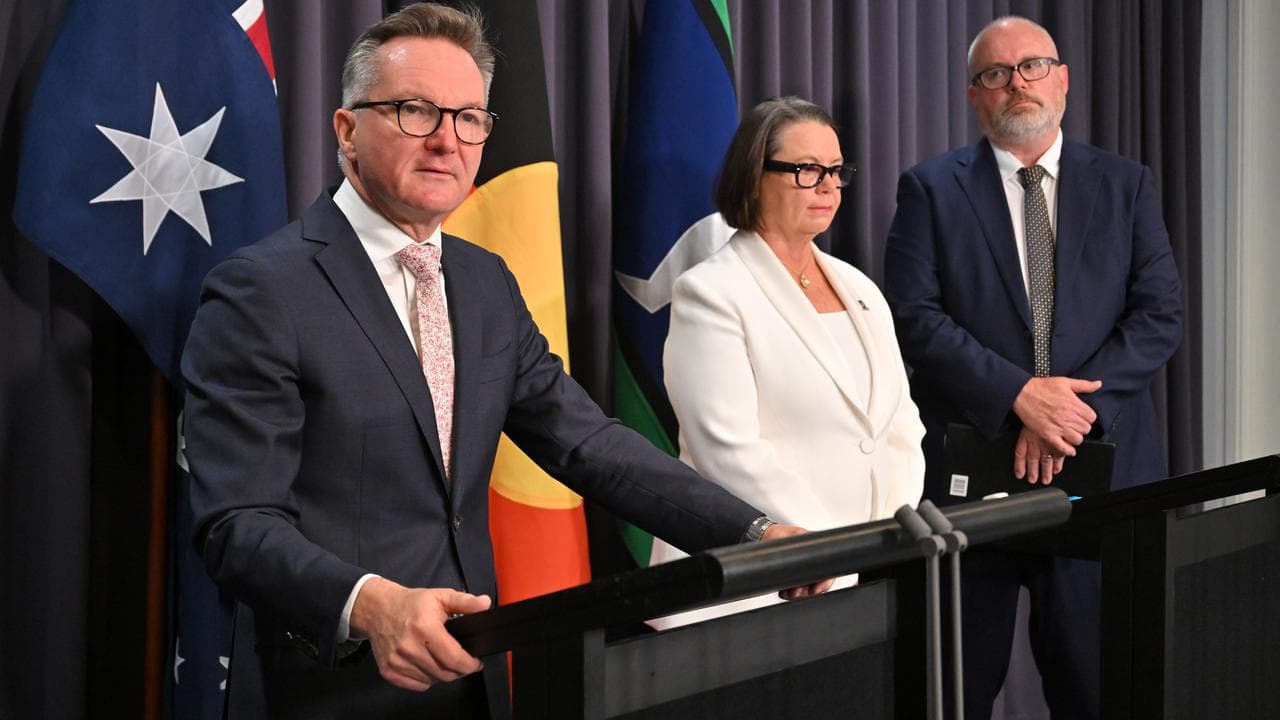
"We are not setting a price target, floor, ceiling - this is about supply, not price," Energy Minister Chris Bowen told reporters in Canberra, denying the government had flipped on the policy and it would put downward pressure on energy bills.
He was tight-lipped on exactly how the revamped proposal would affect power bills for the heavy industry and roughly 5.1 million gas-powered homes.
"We are not setting a price target, floor, ceiling - this is about supply, not price," Mr Bowen said, maintaining it would put downward pressure on energy bills.
The 20 per cent obligation will not factor in gas being sold under existing contracts, being supplied to another reservation scheme, or which cannot be set aside for the Australian market because of infrastructure constraints, according to the draft legislation.
But companies don't need to reserve anything if the market is already well supplied, and the scheme's onset will also be pushed back a year to July 2028.
However, red flags remain over the government's strategy to ensure the domestic market is oversupplied 10%, which could squeeze out local producers, Grattan Institute energy expert Tony Wood told AAP.
"You want low prices, but you don't want them to be a barrier to new investment," Mr Wood said.
"Maybe it would have been better if it (the oversupply) had been a smaller percentage."
It also remained unclear how the gas reservation would remedy Australia's much-maligned sluggish gas infrastructure investment, according to Mr Wood.
"All normal logic would say that it will create a risk or a barrier to investment in new supply," he said.
"The government's going to have to revisit this idea of what are we going to do about pumping gas in the southeast ... it's got no way of building new pipelines."
That was echoed by peak body Australian Energy Producers, which said the oversupply would "destroy investment signals and crowd out smaller, domestic producers" by force-feeding the market extra energy.
The Energy Users' Association of Australia, while welcoming the plan, also raised concerns about its fixation on supply rather than price.
"What price will that gas be offered at, on what terms, and will producers be required to actually sell it?” the group's chief executive Dr Leigh Clemow said.
"Gas being notionally available is not the same as affordable gas being available."


