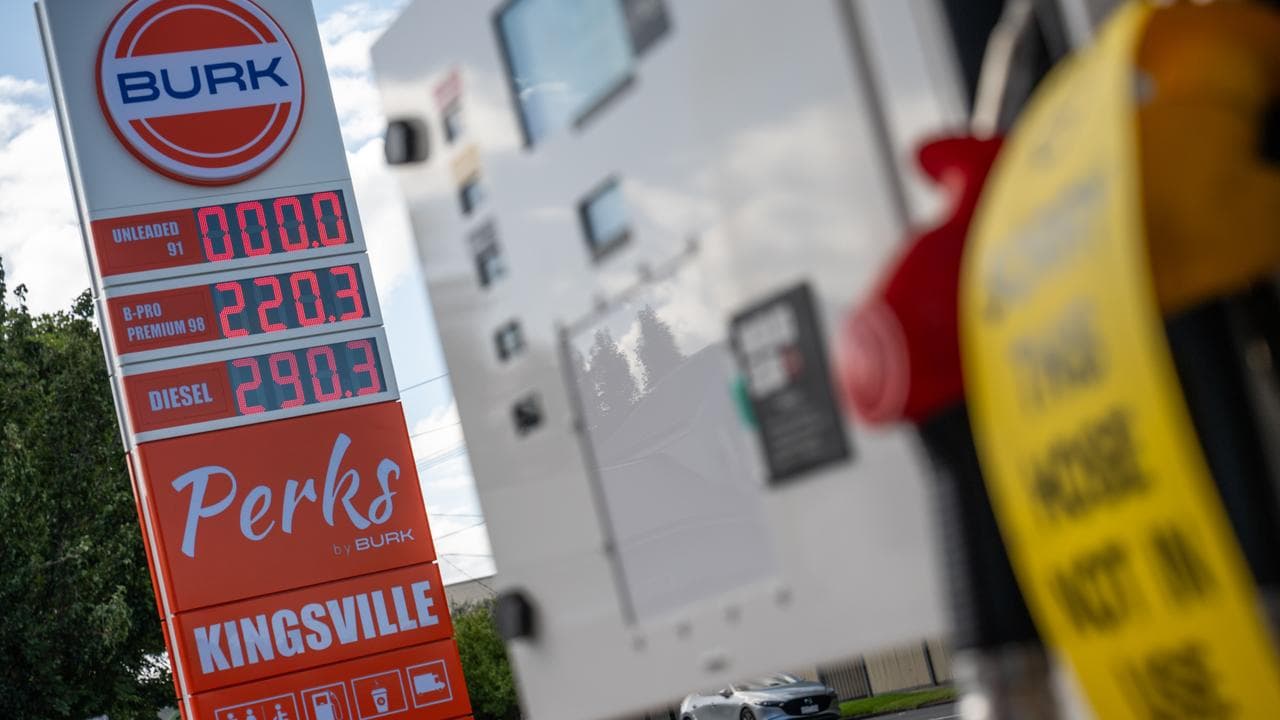
The ongoing global fuel crisis will again be discussed in a meeting between the prime minister and state and territory leaders.
But Anthony Albanese insists the national cabinet meeting won't be used to increase the country's fuel security level.
It will be the third meeting with premiers and chief ministers since the US and Israel began bombing Iran in late February, which led to the closure of the Strait of Hormuz and a spike in global oil prices.
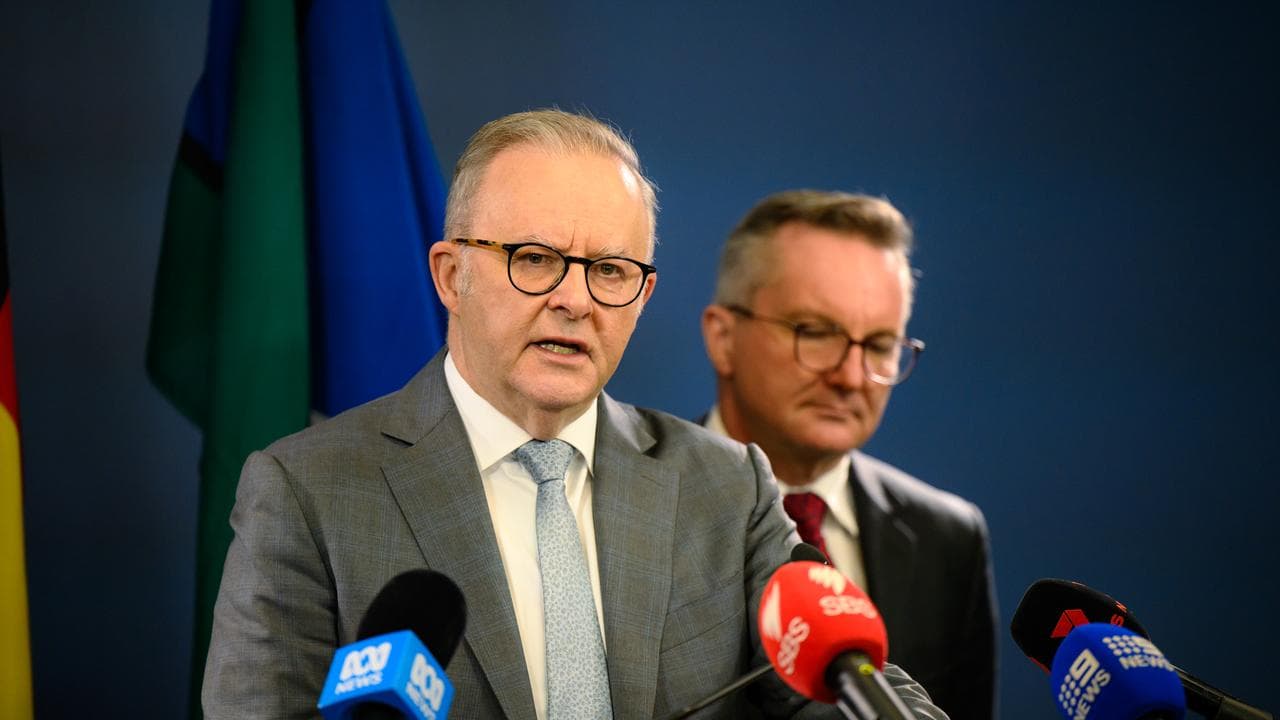
Mr Albanese said the conflict in the Middle East would continue to impact Australians for some time, even if a resolution was found quickly.
"This will have a long tail, this impact," he told ABC's 7.30 program on Monday.
"I'll be convening national cabinet again in coming days, not to make any changes to the levels we're on, but once again talk with state and territory colleagues about where we're at."
The prime minister said working closely with jurisdictions would be crucial for navigating the country through the fuel crisis.
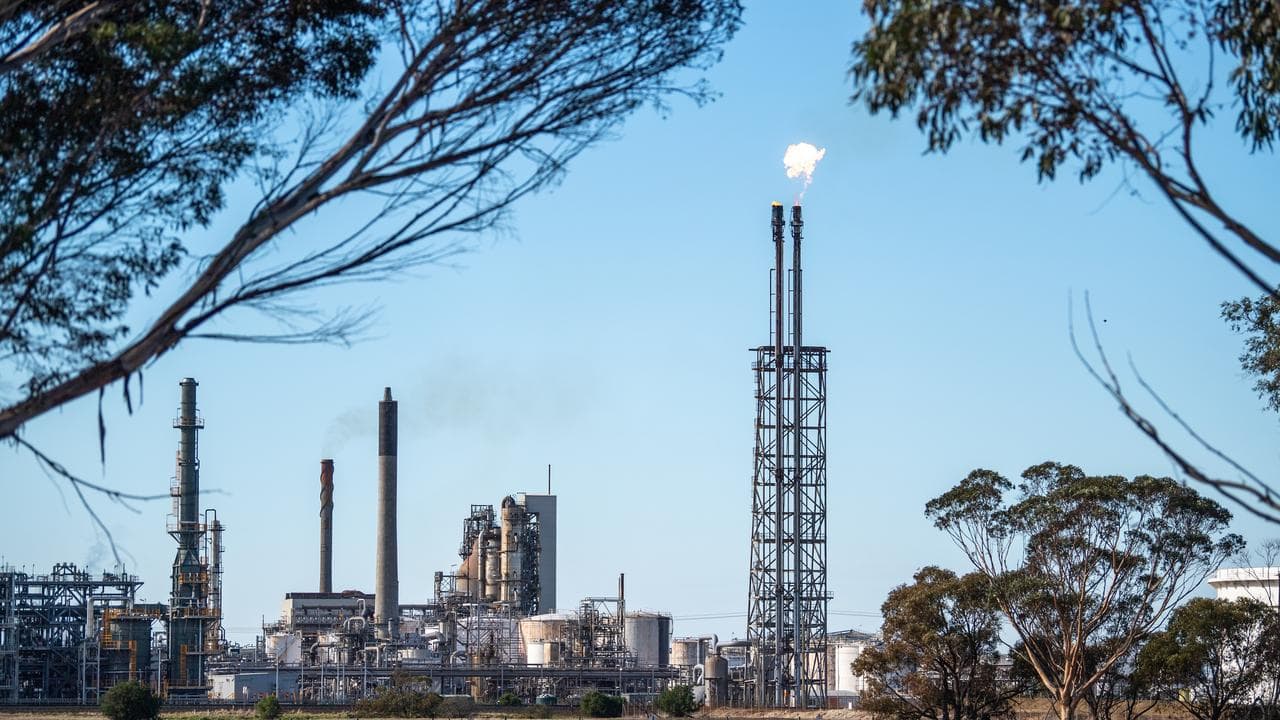
The meeting follows a fire on late Wednesday at one of Australia's two remaining refineries.
The fire led to fears Australia's fuel security level would be raised after almost half of petrol production was wiped out, although the facility's owner Viva Energy says the Geelong refinery will be back to 90 per cent capacity in coming weeks.
Mr Albanese said the government was exploring options to boost fuel capacity in Australia.
"We will look at the full range of opportunities which are there. We're very open to pursuing those," he said.
"We're engaging with the private sector in particular, and we'll engage, of course, with state and territory colleagues as well."
It comes after the workplace watchdog ordered large companies that use transport firms to conduct reviews every two weeks on the cost of fuel to ensure drivers had enough to cover costs while on the road.
The Fair Work Commission ordered for transport clients, such as retailers, manufacturers and mining companies, to review fuel costs as long as diesel on average was above $2 a litre.
The order comes into effect on Tuesday, which the Transport Workers' Union touted as a major win.
"This is a historic order from the Fair Work Commission that, for the first time, puts obligations on the wealthy clients at the top of our supply chains to pay their fair share to the transport industry," the union's national secretary Michael Kaine said.


