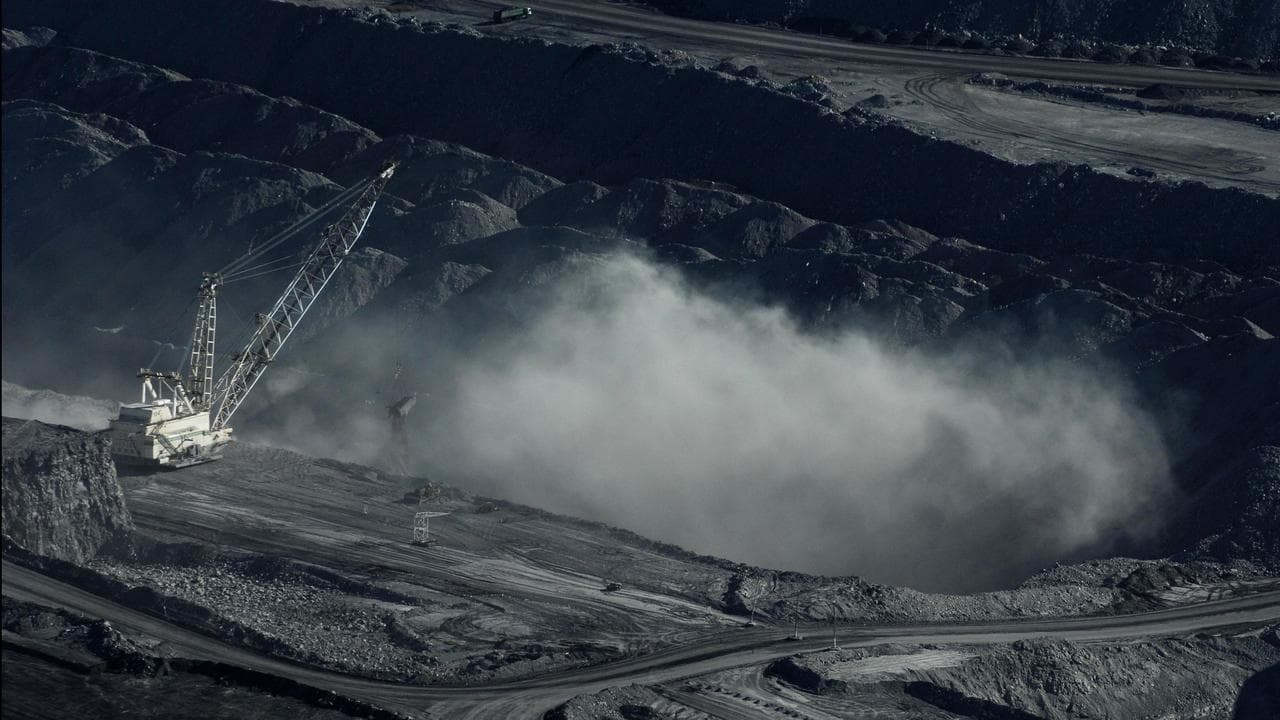
Nearly two decades of coal mining have been approved in the largest project in a state's history, alarming climate campaigners.
The Yancoal and Glencore joint-owned Hunter Valley Operations near Singleton is one of NSW's biggest coalmines, employing about 1500 to dig up the commodity and export it overseas.
The Independent Planning Commission ruled on Wednesday that its operations can continue until 2045.
The company says it has contributed more than $6.9 billion to the economy, including $3.8 billion on goods and services from 750 suppliers.
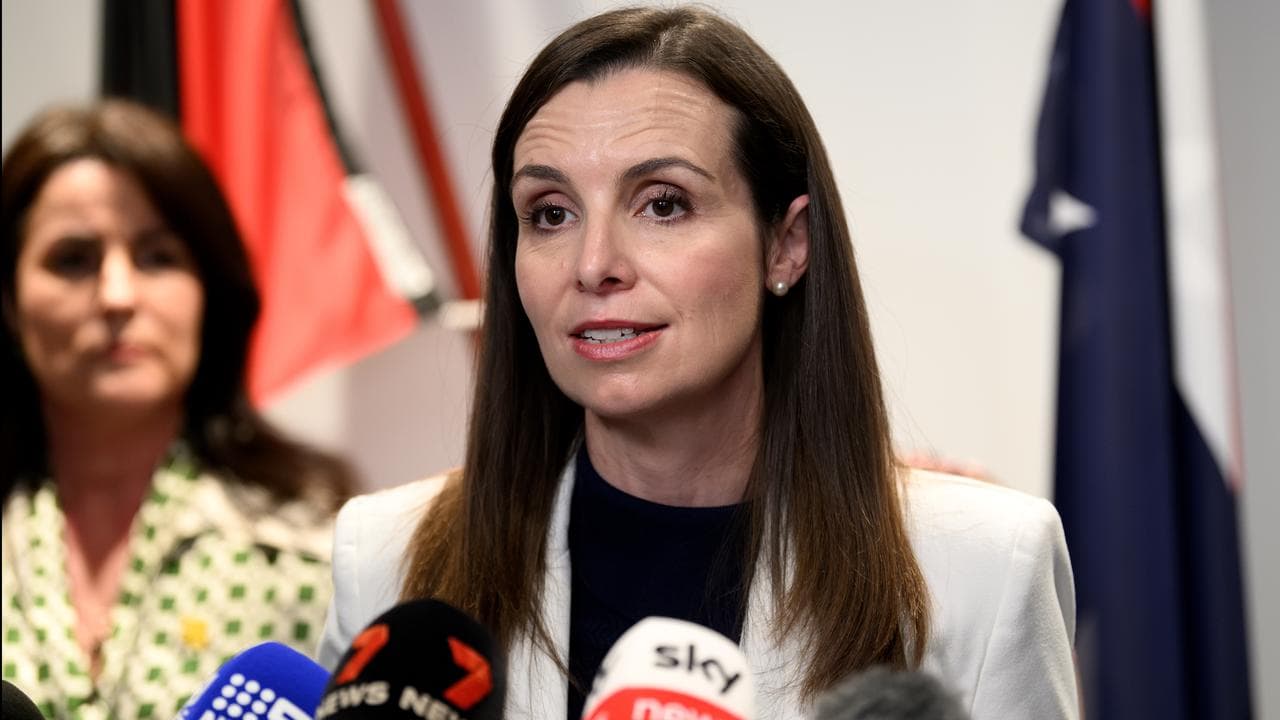
The ruling comes after a six-year assessment process with more than 10,000 submissions filed, and will allow Hunter Valley Operations to extract some 429 million tonnes of high-quality thermal coal and coking coal used in steelmaking from its open-cut mining complex.
NSW Resources Minister Courtney Houssos chalked the approval as a win for the local economy, adding the state was on track with its environmental goals to reduce greenhouse gas emissions.
"What this project shows is that we can support coal mining jobs while still meeting our net zero targets," she told reporters.
"It's not one or the other," she said.
The state's net zero targets don't include Australian-sourced fossil fuels burned overseas.
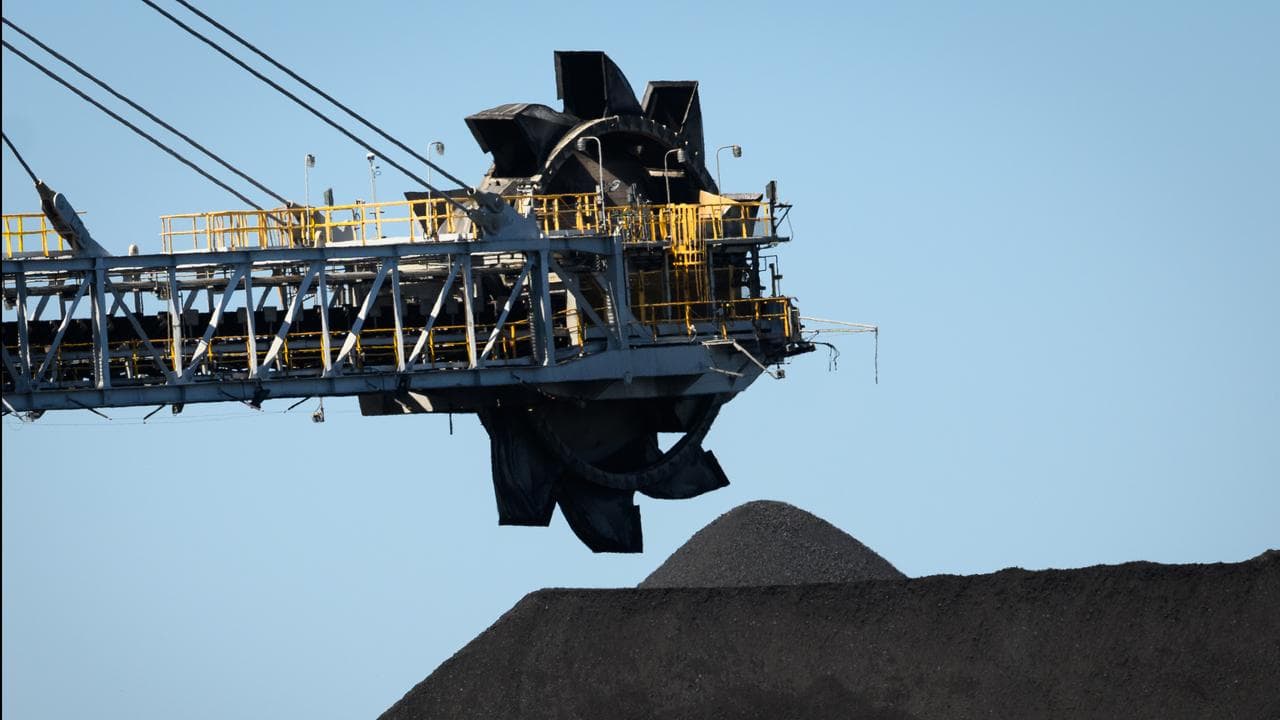
The commission said it approved the mine expansion after carefully considering issues raised, including climate change impacts and the social, employment and economic benefits of its continuation.
In a 72-page report published Wednesday, the commission argued employment, business, social and economic benefits of the mine extension outweighed other concerns.
"The commission has concluded that the project's impacts can be managed, mitigated and/or offset, consistent with NSW and Commonwealth statutory and policy regimes."
The joint mine operators said in a statement that they engaged transparently and constructively with regulators to make "big changes to the project's design to ensure alignment with both NSW and federal government legislative guidelines, environmental standards and climate change policies".
The project still requires federal environmental approval by December 2026.
The mine's extended shelf life was welcomed by the Mineral Resources Council, which said the decision saves a workforce in a precarious position.
But environmental groups lambasted the commission for failing to seriously take into consideration recent natural disasters that have affected the region.
Lock the Gate Alliance dubbed it a "generational failure" that will exacerbate the climate crisis.
"The pollution from this coal mine will fuel further global warming and households, businesses and local councils around the state will be the ones paying the price," the alliance's Georgina Woods said.
The Climate Council estimated the mine would release more than 800 million tonnes of carbon dioxide emissions over its newly extended life.
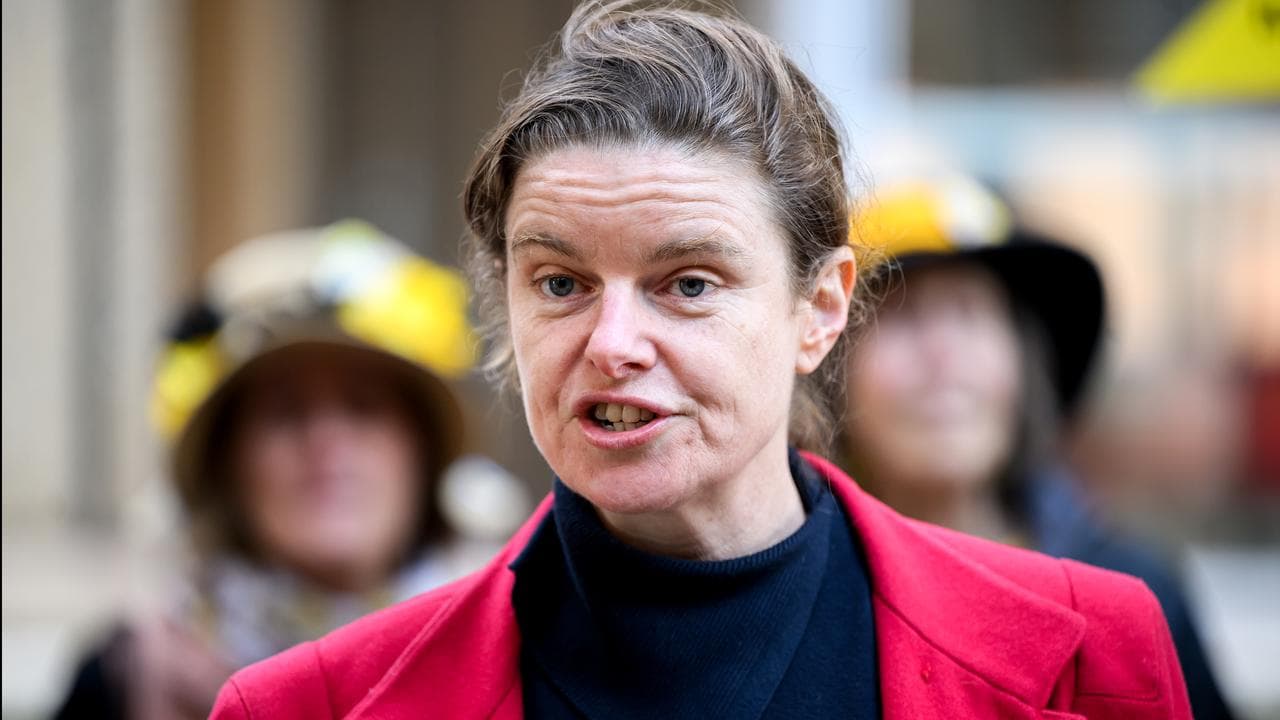
Greens MP Cate Faehrmann slammed the approval of the 14th coal mine expansion under the state's Labor government.
"The Minns government is lying to the people of NSW when it says it's serious about taking action on climate change," she said.
Coal remains the state's top export and provided about $2.84 billion in royalties in 2025-2026, official figures showed.


