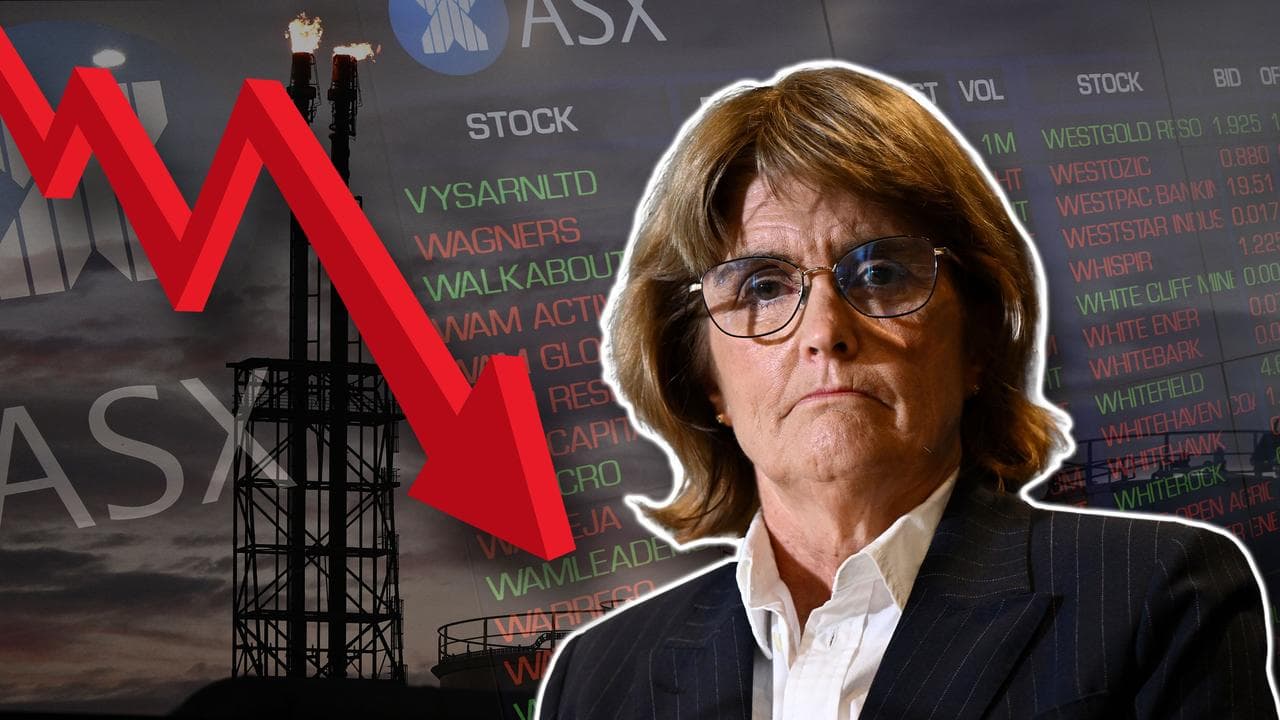
The latest Intergenerational Report, the triennial roadmap of the Australian economy's next 40 years, contains a stack of numbers.
But one number came in for greater scrutiny than the others: 1.2 per cent.
That's Treasury's assumption for how fast productivity will grow each year on average over the next four decades, on which almost every other economic figure in the report was based.
While 1.2 per cent is not particularly strong compared to previous decades and the artificial intelligence boom is expected to provide an uplift, productivity growth has only averaged 0.3 per cent over the past decade.
Especially compared to the Reserve Bank's productivity assumption of 0.7 per cent over the medium term, Treasury's estimate was criticised by a chorus of economists for being overly ambitious.
"It certainly seems to us like an unrealistically optimistic assumption," HSBC chief economist Paul Bloxham told News24 on Thursday.
"We are not building enough housing. We haven't got enough cheap energy. We haven't got enough infrastructure.
"How is AI going to solve all those problems?"
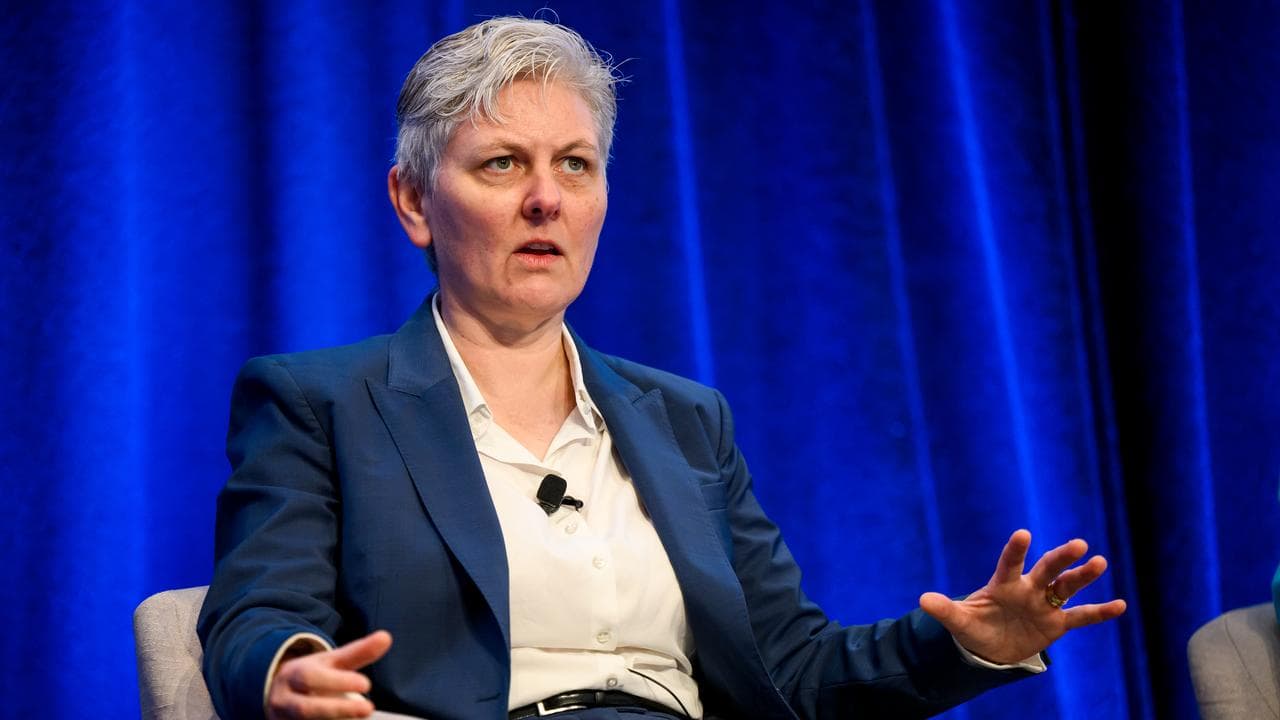
But Westpac's Luci Ellis, a former chief economist at the central bank, said the RBA's forecasts might be overly gloomy.
"The RBA's assumptions implicitly require a repeat of the factors that dragged recent productivity outcomes down, despite strong global investment, policy changes domestically and the possible benefits of AI," she wrote in a research note.
The RBA also diverges from Treasury in its assumptions for workforce participation and full employment, which is the same as saying the lowest unemployment rate the economy can sustain without pushing up inflation.
"Together, the three RBA assumptions imply weaker growth in supply capacity and thus more inflationary pressure for any given level of demand," Dr Elllis said.
"If every one of your assumptions seems individually plausible, but all skew in the one direction, it starts to look like a pattern.
"The thumb on the scale is unlikely to be intentional, but it does suggest the likely direction of future surprises in the medium term."
The Intergenerational Report estimated the stable-inflation unemployment rate sits at about 4.25 per cent.
But RBA governor Michele Bullock told a Committee for Economic Development of Australia on Tuesday that she thinks the jobless rate needs to be somewhere between 4.5 and 5 per cent to ease pressure on inflation.
The unemployment rate edged up to 4.6 per cent in August, the Australian Bureau of Statistics revealed on Thursday.
While some tightness was coming out of the labour market, it was not enough to deter the RBA from hiking interest rates next week, Mr Bloxham said.
"With inflation still above target and the risks now tilted to the upside on inflation - partly due to global developments - we expect that the RBA is now more focused on seeking to get inflation back to target soon, than on its full employment mandate," he said.


