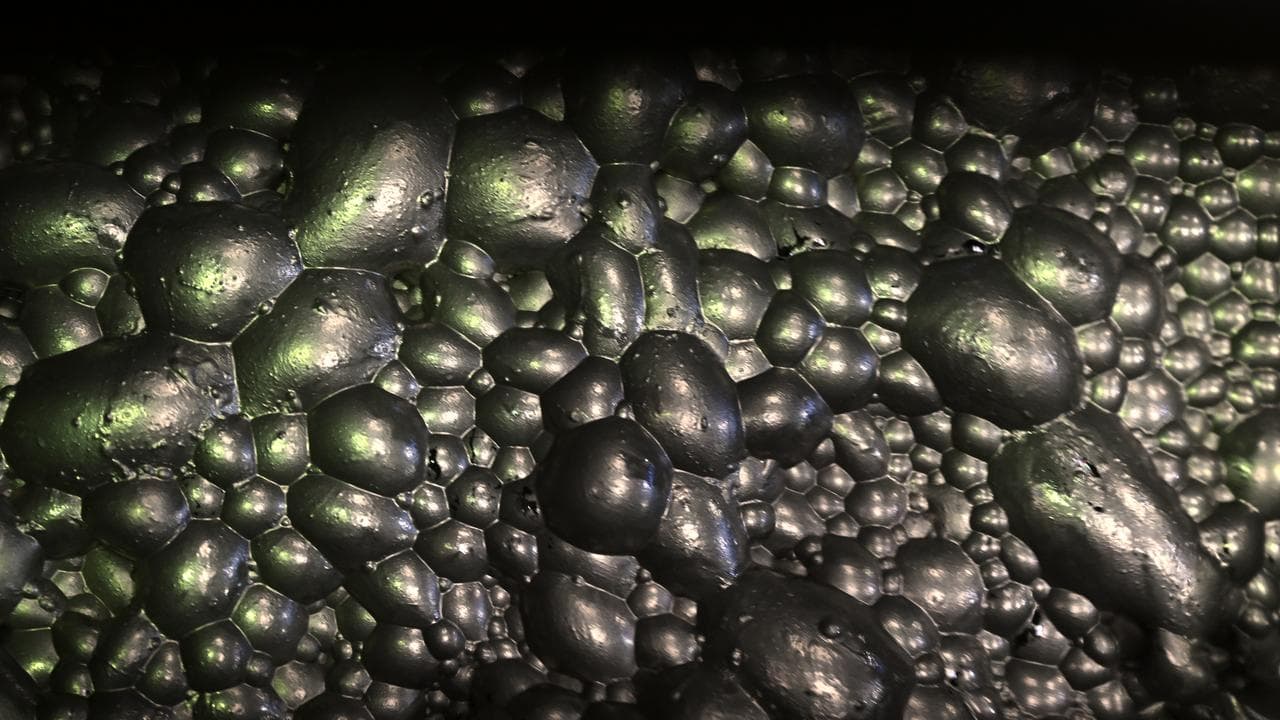
After years of development work, an ASX-listed company is moving ahead with construction of a copper mine as it bets on the future of the vital metal.
KGL Resources recently made a final investment decision to proceed with development of its Jervois copper project about 380km east of Alice Springs.
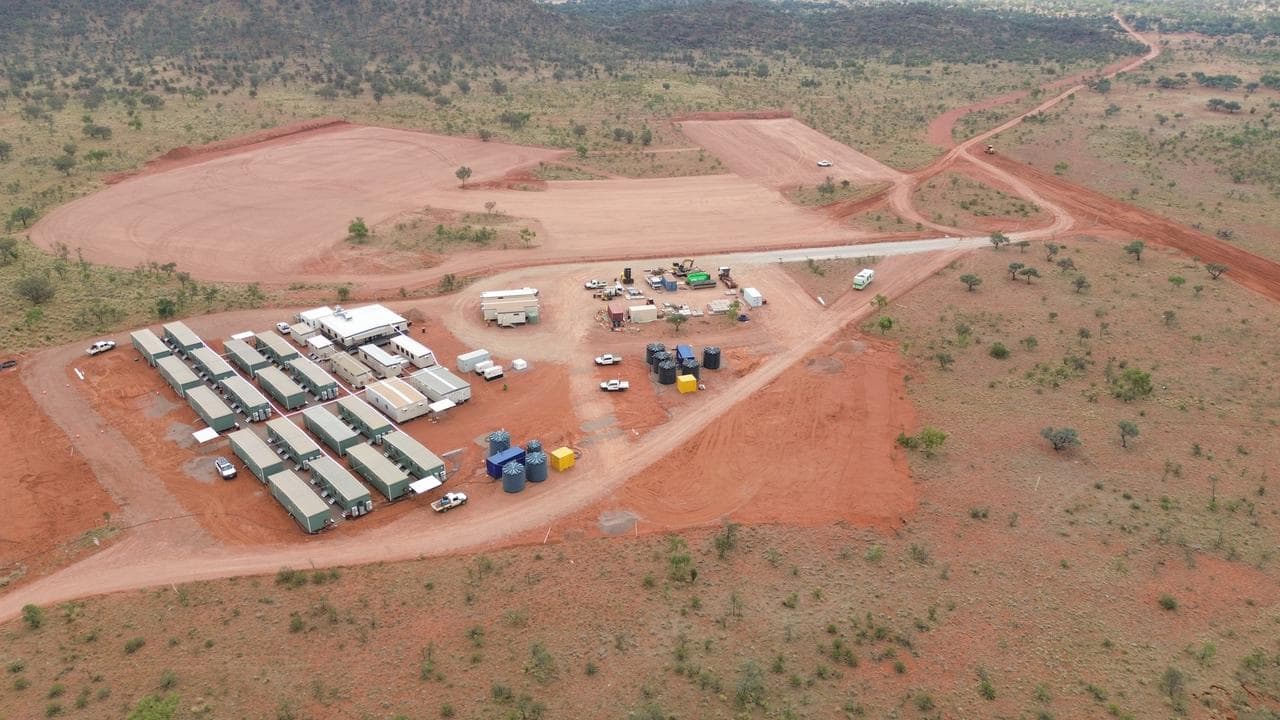
A 72-person construction camp has been installed and modular building company Northern Transportables is assembling a $36 million, 180-room village.
The mine is expected to begin producing high-grade copper concentrate in the first half of 2028.
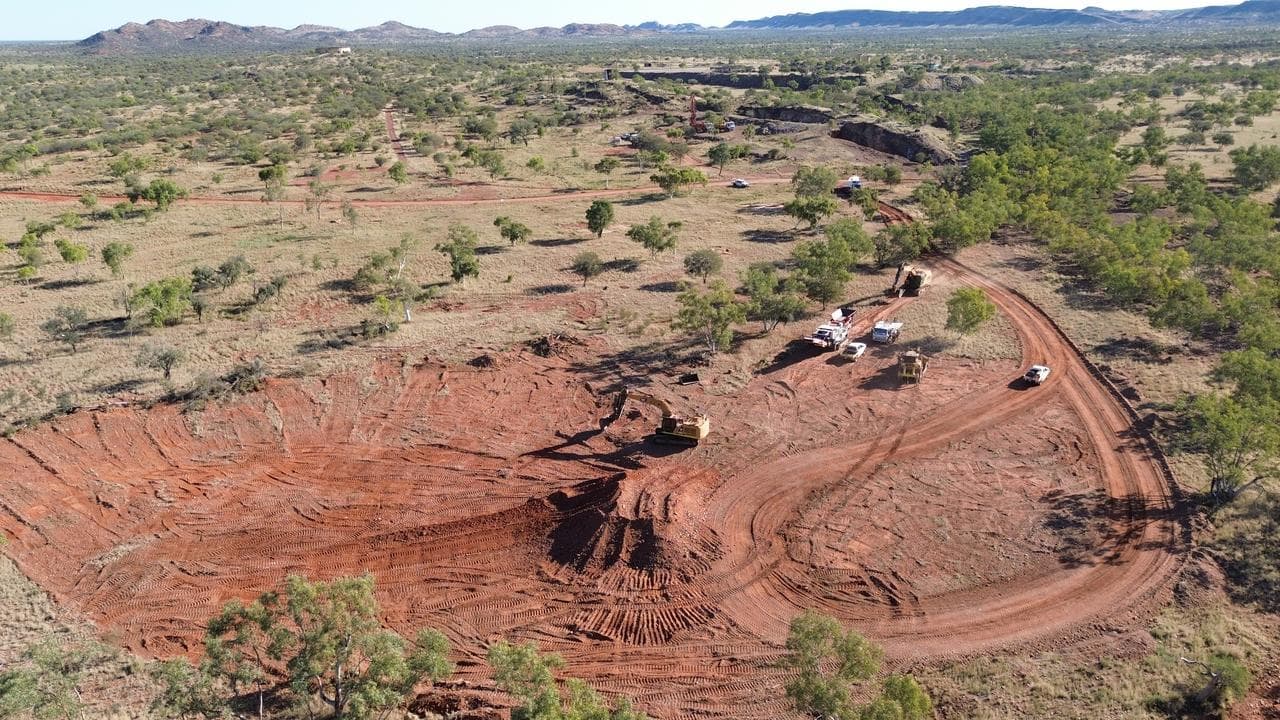
Operations are scheduled to last at least 10 years, producing an average of 30,000 tonnes annually.
"Our plan is to be Australia's next medium-sized copper producer," chief executive Sam Strohmayr told AAP.
"It's a reasonable size and we certainly see the opportunity to extend that past 10 years with our exploration."
The site would require a peak construction workforce of about 350 fly-in, fly-out workers, Mr Strohmayr said.
Its operational workforce would swell to 500 or more once the initially open-pit mine transitions to underground mining after about five years of operations.
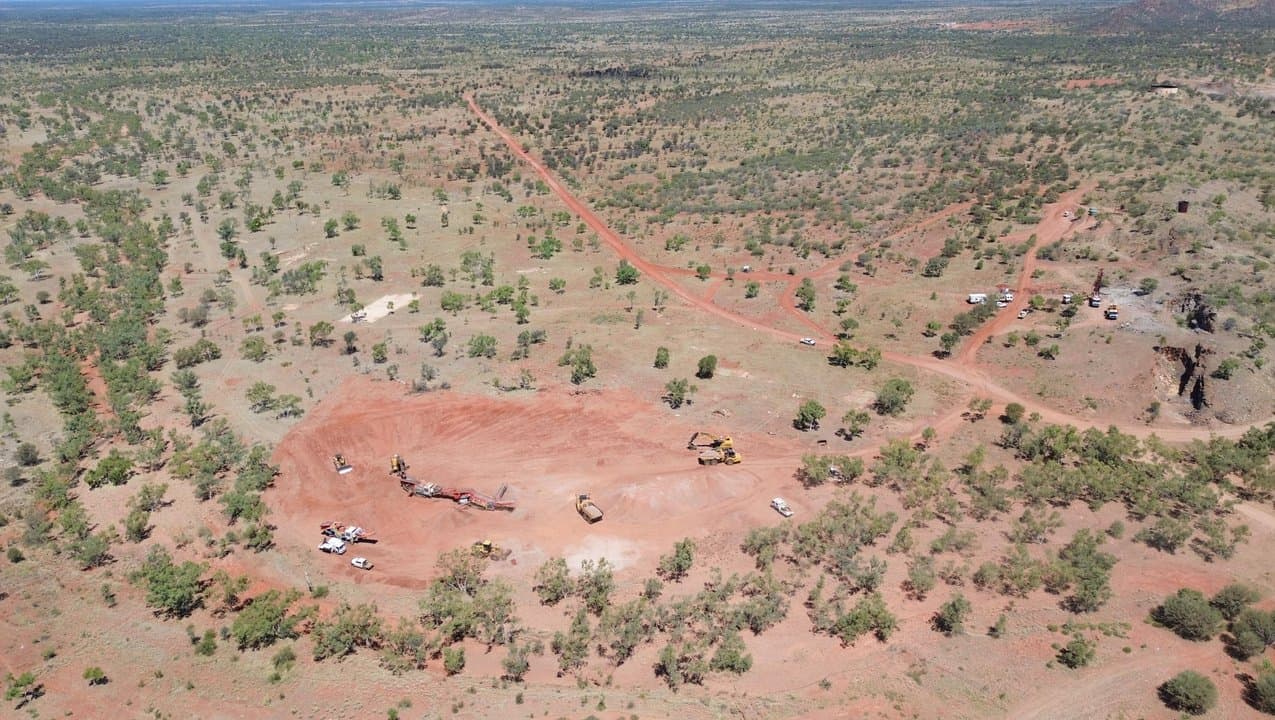
Mr Strohmayr, who joined KGL in January, noted others had worked for years to get to the point where the junior explorer could develop the project, which it acquired in 2011.
"I mean, there's been over 250 kilometres of drilling done on the site," Mr Strohmayr said.
"There's been a large investment in really understanding the tenement and understanding the geology and where the deposits are."
There were also many studies on mine planning to get to the point where it would stack up financially.
Raising the money also took time.
The company completed a $300 million equity raising in June and signed a $US300 million ($434 million) funding agreement with Wheaton Precious Metals in April.
The deal allows Wheaton to buy gold and silver by-products from the copper mine at a discount.
There was a lengthy environmental permitting process and an Indigenous land use agreement had to be negotiated.
"It's a respectful process which takes time," Mr Strohmayr said.
"When I talk about the time to bring a project from discovery into operation ... that's 15 years, 16 years.
"Even small ones like ours take a long time."
Large copper mines take even longer.
But the years it takes to move from discovery to production indicates the price of copper, which rose above $US6 a pound for the first time in 2026, is not about to crash.
"Certainly on the supply side, it's getting more difficult to get a mine into operation," Mr Strohmayr said.
Demand is also increasing due to the trend toward greater electrification and the rapid rollout of data centres for artificial intelligence applications.
Mining giant BHP, which has pivoted to copper over its traditional iron ore operations, forecasts its use in data centres will grow six-fold by 2050, to three million tonnes a year.


