Older Australians are dealing with big price increases and longer waiting lists for care under major reforms to the aged care sector, a former Liberal minister warns.
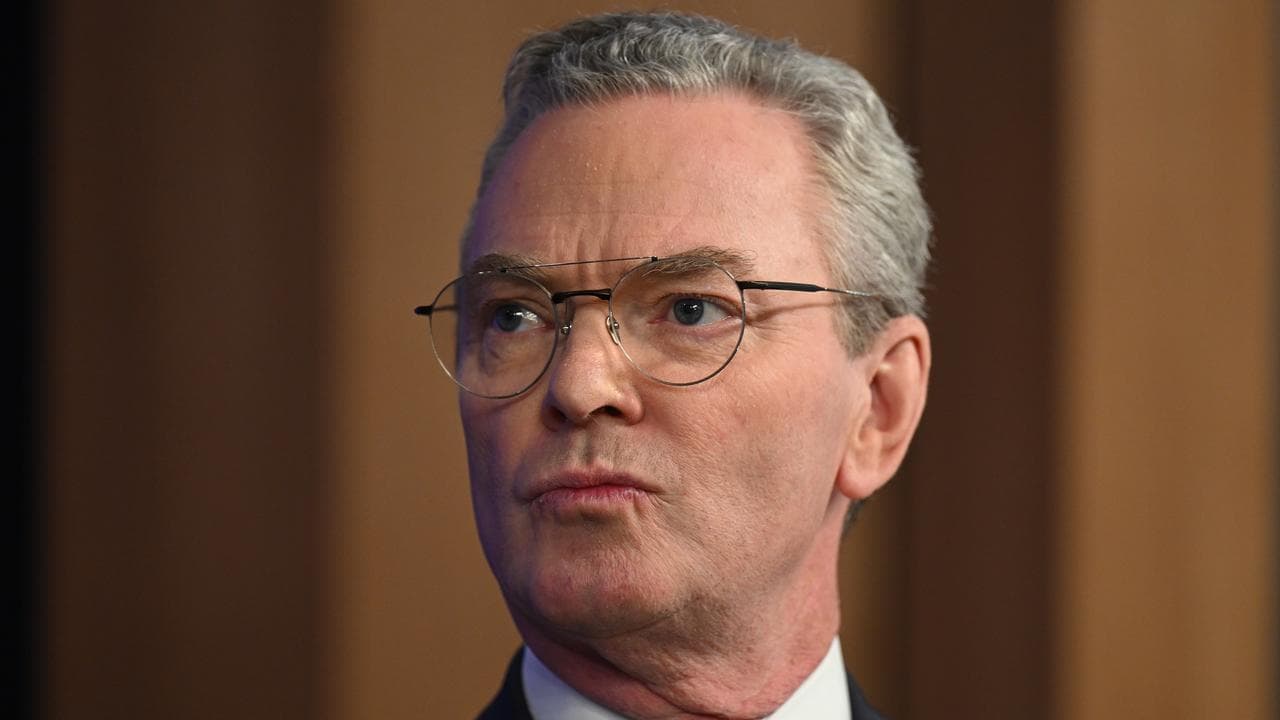
Christopher Pyne, who spent 26 years in federal parliament, has also warned against stereotyping older people as either wealthy baby boomers or frail retirees, describing both framings as "crude caricatures".
Mr Pyne, now the chairman of advocacy group Council on the Ageing, said it would take time to iron out the kinks in the government's new aged care act.
The overhaul of the aged care sector took effect in November 2025, requiring wealthier retirees to pay more for their care and restructuring the way services are funded.
Addressing the National Press Club to launch the council's State of the Older Nation report, the former cabinet minister said while it had only been a few months since the reforms kicked in, people in care had raised a number of complaints.
They included longer waits for home care packages, pressure to sign care agreements quickly, and sharp price rises.
"We expect the government will react to those over time," Mr Pyne said.

He said older people were also being forced to pay for assistance showering.
"Because that's such a big thing, of course, it gets a lot of coverage and a lot of complaints," Mr Pyne said.
The State of the Older Nation report, released by Mr Pyne on Wednesday, includes alarming figures about the number of people experiencing age-based discrimination.
It found 38 per cent of people had experienced ageism since turning 50 and 36 per cent said they didn't want to return to the workforce because of ageism.
"Too often, the story of older Australians is reduced to one of two basic plot lines," Mr Pyne said.
"The first goes like this: older people - often framed as baby boomers - are wealthy, secure, asset rich, sitting on housing, insulated from economic pressure and blocking opportunities for younger generations.
"The second sits at the opposite extreme. Older people, often those in their late 70s and 80s are portrayed as frail dependent in nursing homes, clogging hospital beds and placing an unsustainable burden on public resources."
Mr Pyne said the stereotypes persisted due to convenience, not accuracy.
"They ignore the community and economic contribution of older people, simplify complex policy changes and allow us to avoid uncomfortable conversations about inequality and disadvantage."


