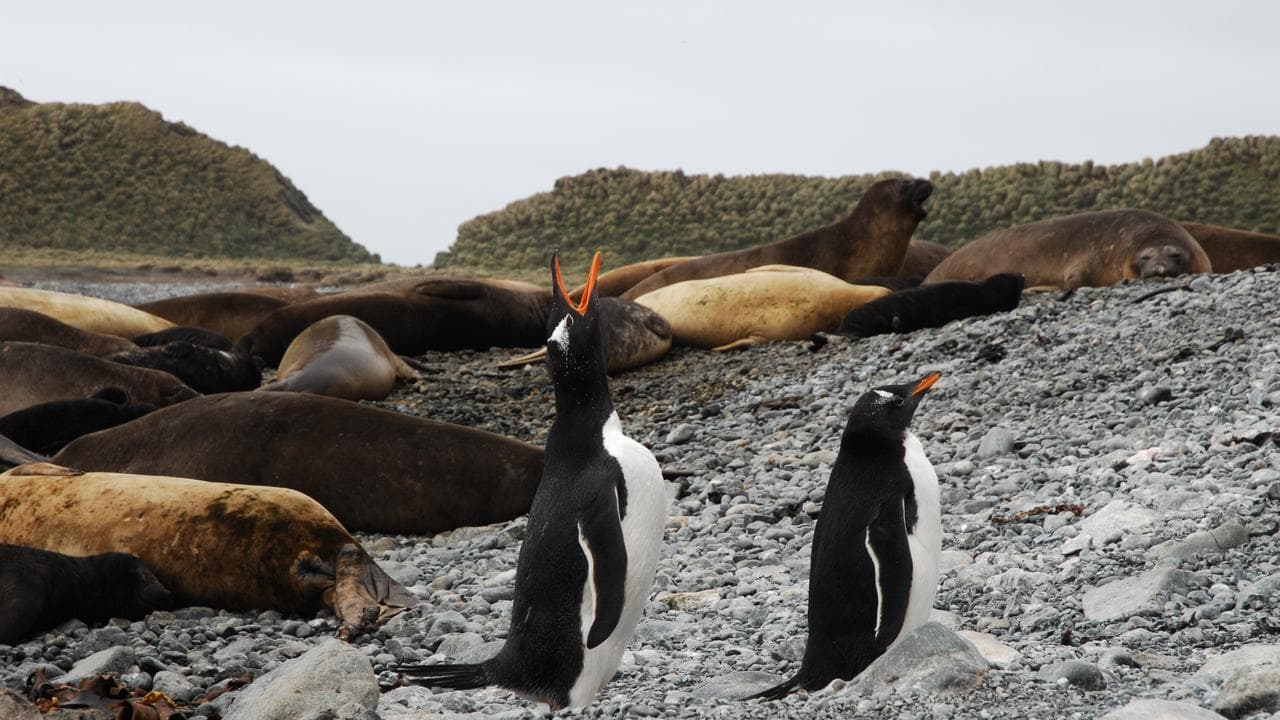
The decision to evacuate a team of researchers to avoid the psychological distress of witnessing thousands of seal deaths shows the mental health of wildlife scientists is beginning to be taken seriously, experts say.
Researchers will be withdrawn from the Australian territory of Macquarie Island in the Southern Ocean to protect their mental health amid a worsening bird flu outbreak, the Australian Antarctic Division announced on Friday.
It's the first time the government has taken this sort of major action to safeguard the psychological wellbeing of its researchers.
The Department of Climate Change, Energy, Environment and Water said it was likely the virus would wipe out thousands of elephant seals and their pups during the upcoming breeding season.
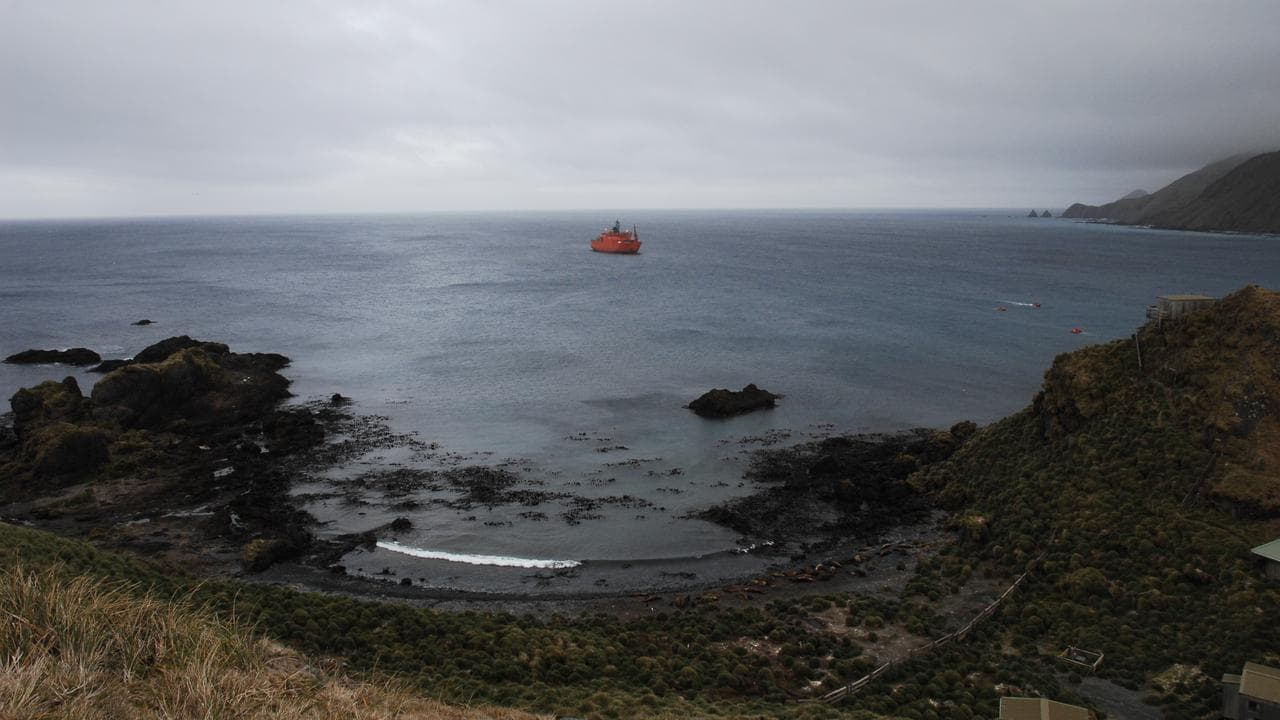
"Imagine living and working in amongst thousands of seals within very close proximity in and around the station ... (and) the distress of seeing those animals, not being able to help them," the department's deputy secretary Sean Sullivan said.
A mass mortality event would have "significant implications for the psychological safety of our staff" and safeguarding their wellbeing should be "the number one priority," Mr Sullivan added.
While the island is officially yet to be impacted by bird flu, the government's decision indicates it is taking the likelihood of the virus reaching its shores seriously.
But is also a sign the government is taking the psychological wellbeing of its staff equally as seriously.
Environmental psychology eco-grief expert and scientist Brianna Le-Busque said witnessing a mass casualty event would have "repeated and compounded" psychological effects on the 24 expeditioners who work and live on the island.
The World Heritage island is home to several species of seals, with more than 80,000 southern elephant seals, and millions of breeding seabirds including multiple penguin species.
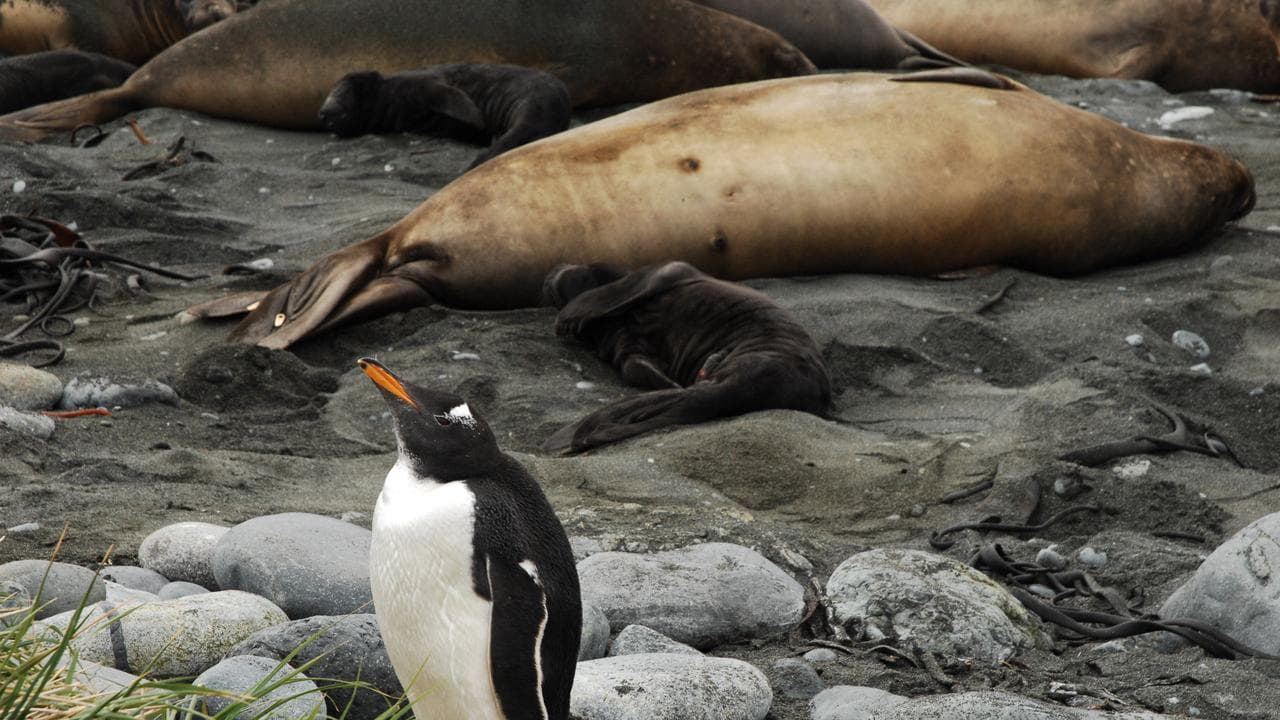
"Researchers will have become very attached to that place and the species they are there to protect," the program director in environmental sciences at Adelaide University told AAP.
The particularly unique working conditions mean researchers could feel the loss even more.
Dr Le-Busque said environmental crises can evoke profound psychological distress and feelings of helplessness.
"There's a growing recognition of the mental impacts on scientists," she said.
Dr Le-Busque said the staff extraction from Macquarie Island is the first time there has been this sort of major action taken due to psychological risk alone.
Mr Sullivan defended the decision, saying preparations would be made over the next month to continue research and monitoring on the island in the researcher's absence.
Elephant seals have proved particularly susceptible to H5 bird flu, with pup mortality rates of more than 90 per cent discovered in some colonies in the sub-Antarctic external territory of Heard Island and McDonald Islands.
The government maintains the risk to human health from bird flu remains low.
South Australia - the state hardest hit - on Friday reported 46 new events, including the first detection of the virus in a common dolphin.
Other species to succumb to the virus include a fox, a brown falcon - the first Australian detection of the H5 strain in a bird of prey - and an Australian raven.


