
Steven Bugeja still thinks about how different his life would be if as a child he had access to the support his kids receive.
"I only discovered that I had autism myself through my own children," he told AAP.
"If my parents knew that, and if they had the support of NDIS ... it would have made a huge difference."
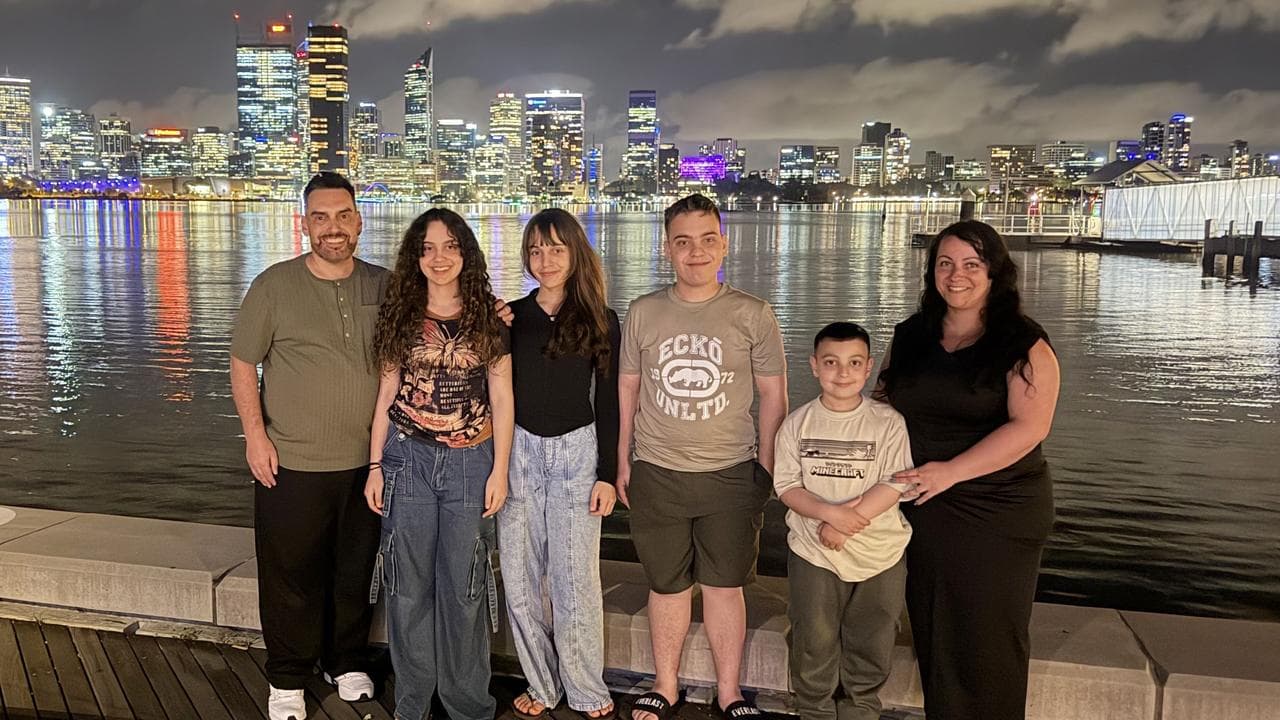
Mr Bugeja's four kids, who live with autism, receive NDIS assistance for health, psychology, occupational and speech therapy, and for things like excursions to parks and the cinema.
He's still in the dark about what happens when the scheme undergoes its biggest ever overhaul.
"It just makes my brain explode," Mr Bugeja said.
Thriving Kids, a plan for states to take care of autistic and developmentally-delayed children aged eight or younger with low-to-moderate support needs, began rolling out on Thursday.
It kickstarts a 15-month countdown to when those kids are expected to be out of Canberra's hands entirely.
But who will take care of which kids, and what will happen to youngsters after the age of eight, largely remains a mystery.

Having scoured all the available info, Mr Bugeja - whose youngest child is nine - is no closer to a clear picture.
"You see (what) your kids achieve ... gone through therapy and all that, and you just don't want to see that ruined and you don't want to see it going backwards again," Mr Bugeja said.
"There's no clarity on where NDIS is heading."
Thursday's changes included launching an information platform and autism helpline.
States will chip in $4 billion and the federal government $2 billion over five years to Thriving Kids, as part of sweeping reforms designed to rein in the NDIS's soaring costs.
Another measure involves halving budgets for community participation, which also began on Thursday.
"That's where you learn the most, living your life and contributing to social activities," Mr Bugeja said, adding the excursions also helped parents stave off burnout.
"Therapy is very good, it's just sometimes you've got to put yourself out there and live that social life and learn how to do it independently.
"They (kids) realise it's OK and the world is not as hard."
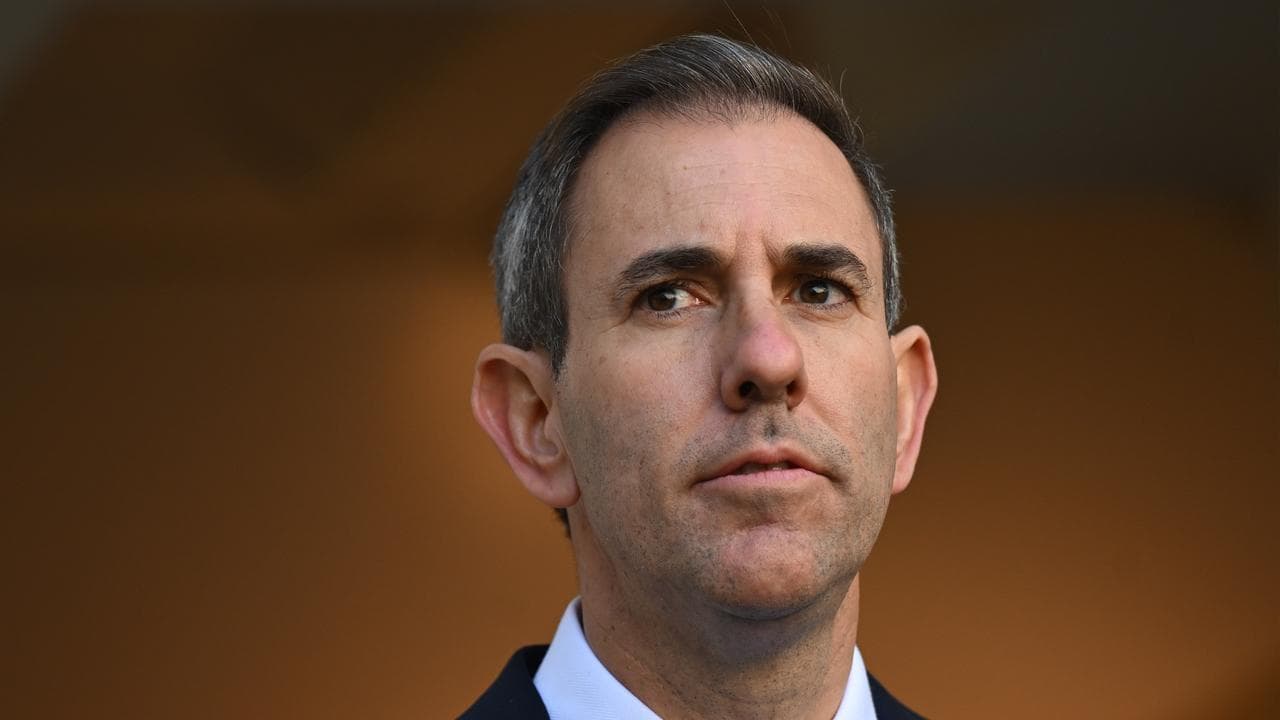
Thriving Kids had the potential to be a once-in-a-generation improvement on caring for certain children, advocates have said, but the speed of the changes has sowed doubt about what the scheme can achieve.
"There is a level of anxiety, (we) take that seriously ... we're confident that we will come up with the best combination of services and care," Treasurer Jim Chalmers said on Thursday.
Queensland is still not signing on to the plan, with Labor now relying on that state's disability community to bring its government to heel.
The federal government maintains the reforms, the bulk of which were announced in April, will leave the NDIS more sustainable.
"I hope this goes to a place where it's going to help families," Mr Bugeja said.
"Just listen."


