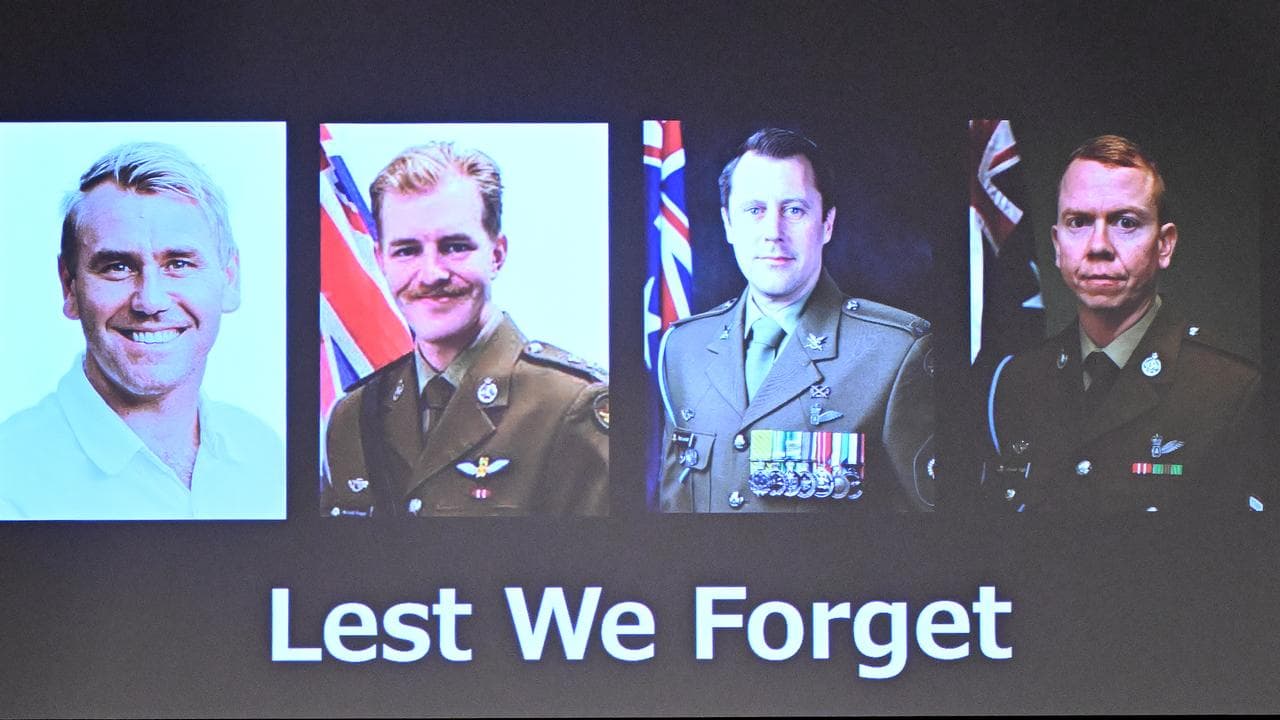
A memorial for aviators who died in an army helicopter crash has been unveiled almost three years on from the tragedy.
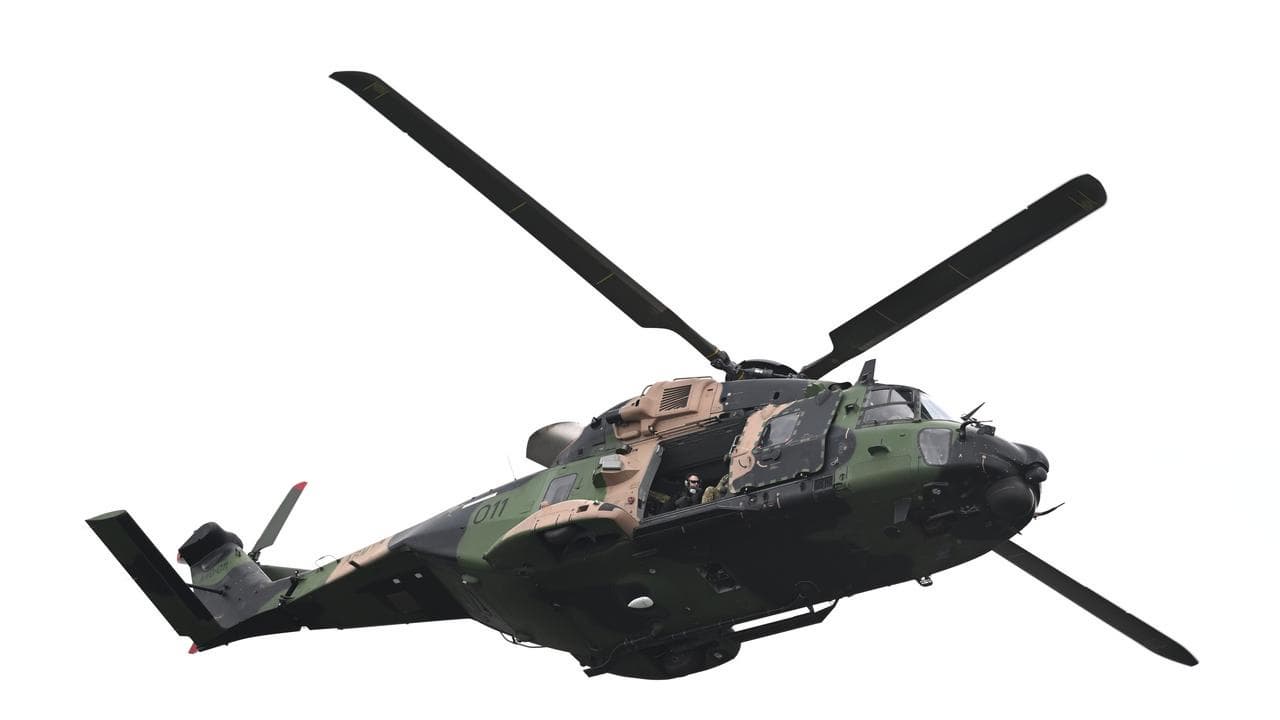
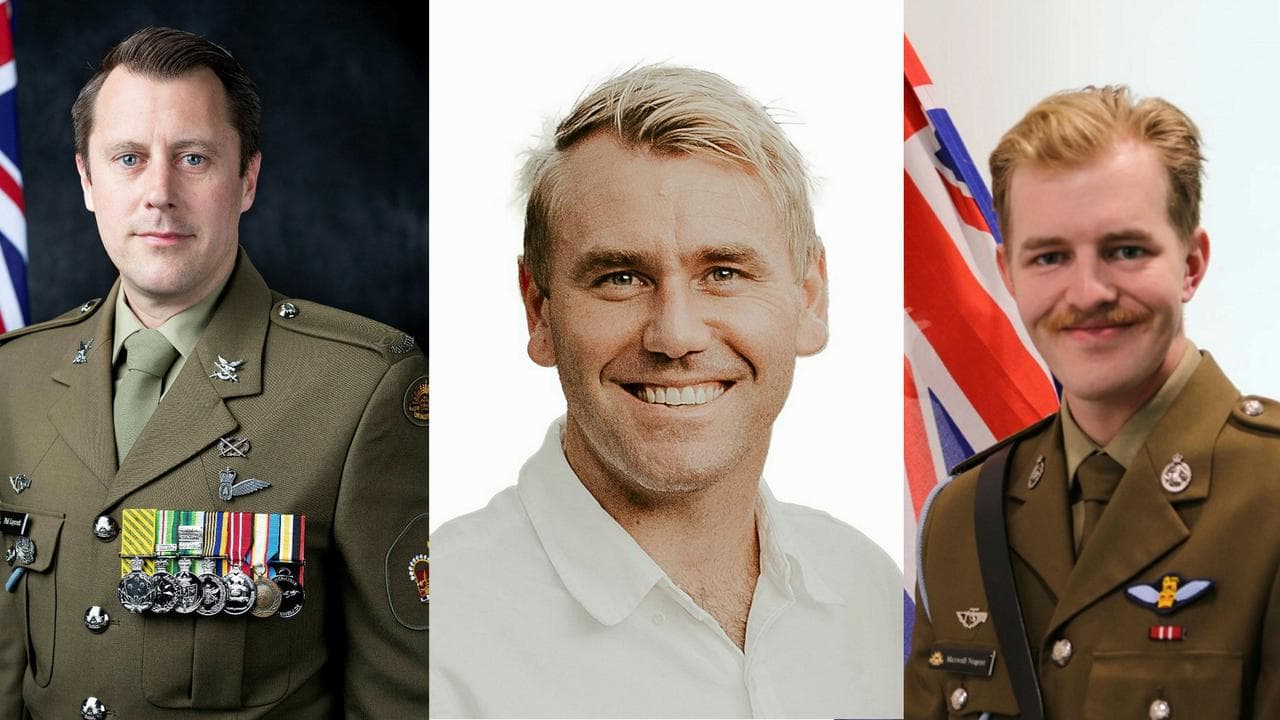
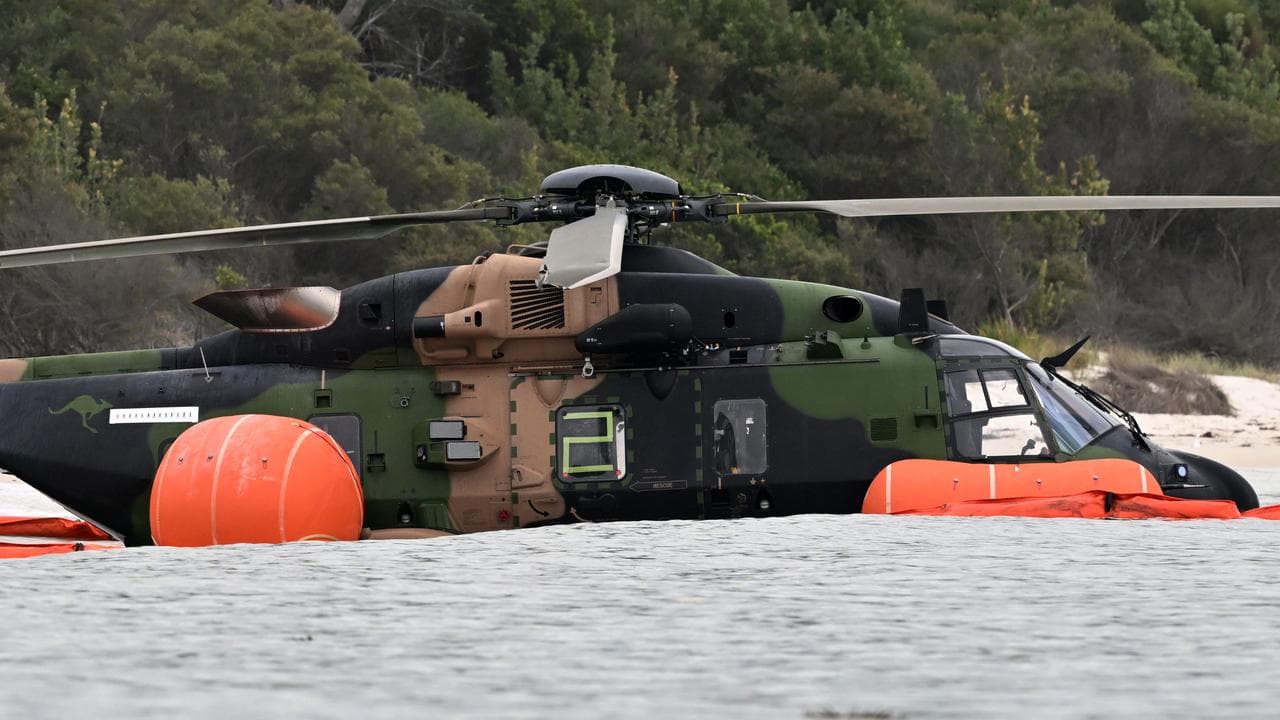
Captain Danniel Lyon, Lieutenant Maxwell Nugent, Warrant Officer Class Two Joseph Laycock and Corporal Alexander Naggs were killed when their MRH-90 Taipan chopper crashed into waters off Queensland's Whitsunday Islands during Exercise Talisman Sabre on July 28, 2023.
Their loved ones joined Queensland Governor Jeannette Young at Airlie Beach's Shute Harbour on Sunday for the official unveiling of a memorial commemorating the men's lives.
The project was spearheaded by Operation Pilgrimage, an organisation of former commandos.
Whitsundays Regional Council supported the initiative and successfully lobbied for a Queensland government grant.
"The actual anniversary is only two days off. I selected this weekend for that very purpose," Operation Pilgrimage chairman Allan Miles told AAP.
The crew, from the Sydney-based 6th Aviation Regiment, were flying in a helicopter given the call-sign Bushman 83 when it crashed during a training exercise.
Nineteen family members of the Bushman 83 crew flew in from Melbourne, Sydney, Canberra and other parts of the country for the event and gathered for a group dinner on Saturday night.
"I was quite lifted that there's a sense of sadness, of course, but also acknowledgement amongst themselves that something has moved forward," Mr Miles said.
The Australian War Memorial is yet to add the names of the crew to the Roll of Honour, which is typically reserved for armed force personnel who die during "warlike service".
While it names some personnel killed during training exercises, including the 18 service members who died in the 1996 Black Hawk disaster, eligibility criteria generally excludes those who die during peacetime activities.
War memorial director Matt Anderson, who also attended Sunday's event, said the addition of the Black Hawk victims' names in August followed a change in classification by government that the men died during counter terrorism/special recovery operational service.
"The Australian War Memorial’s Council is currently considering how we can honour the memory of those killed during Australian Defence Force training, including those who lost their lives in the MRH-90 Taipan helicopter crash on 28 July 2023," he said.
Eligibility criteria for the roll should have been expanded years ago to include all training deaths, Mr Miles said.
"It may come as a surprise to most members of the Australian community that we have a very high rate of accidents in the defence force because of the training," he said.
"They train for events that are not only dangerous but also quite explosive ... sometimes we push the envelope a little bit too far and people are injured or pay more of a severe price."
It is estimated almost 50 Australian Defence Force members have died in training activities in the past 30 years.
A Defence Flight Safety Bureau report into the Taipan tragedy found the primary cause of the crash was "spatial disorientation", which happens when a pilot misperceives the position of their aircraft in relation to the environment.
It concluded the pilots were likely experiencing fatigue levels shown to "impede optimal performance" and increase susceptibility to spatial disorientation.
Earlier in July, a senate inquiry examining the crash was told regulator Comcare had referred two briefs of evidence to the Commonwealth Director of Public Prosecutions relating to fatigue management and the TopOwl helmet-mounted display system worn by the pilots.
The regulator was informed by federal prosecutors a year earlier they did not intend to prosecute the defence force because they did not consider there were reasonable prospects of obtaining a conviction.
Comcare chief executive Colin Radford told the inquiry the regulator believed prosecution should proceed.
The inquiry is due to report in September.
Separate probes are being held by the Inspector-General of the Australian Defence Force and the Queensland coroner.


