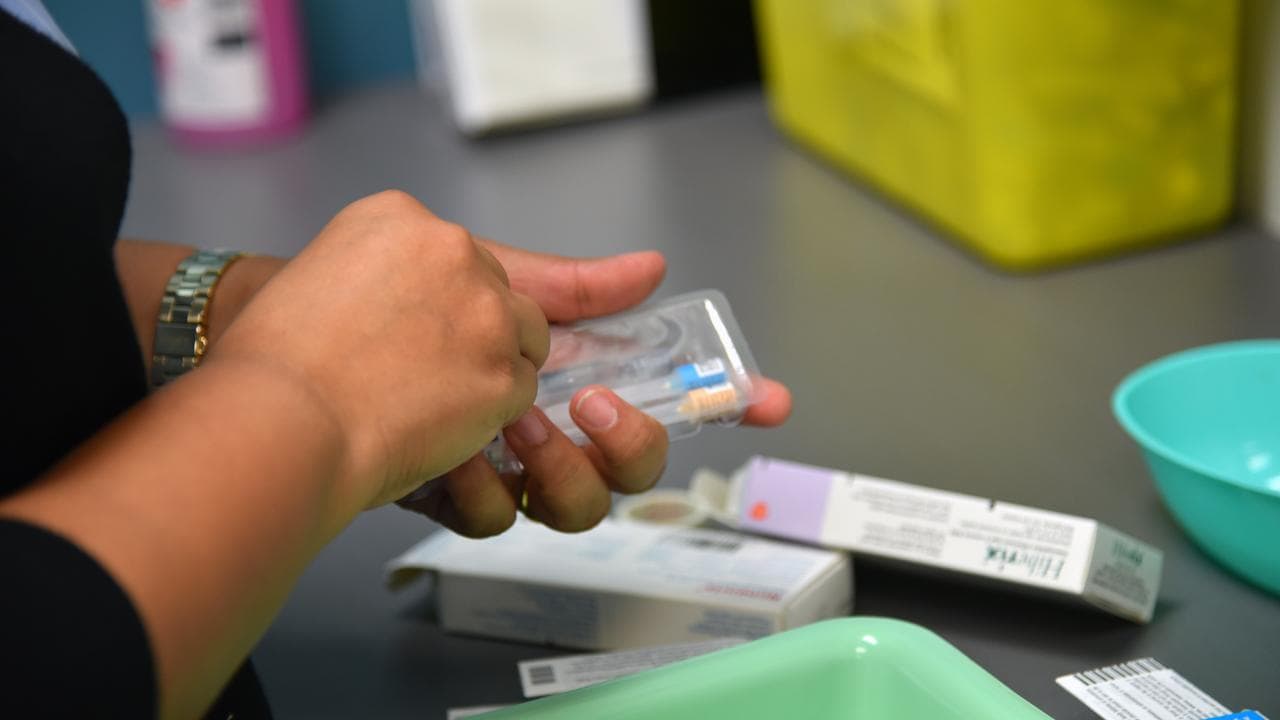
A young adult is in a critical condition on life support in hospital after being diagnosed with invasive meningococcal disease.
SA Health has traced multiple close contacts of the patient, who is in an Adelaide hospital, and seven people are receiving antibiotics to prevent further transmission.
Meningococcal B is the most prevalent strain of the disease in Australia, responsible for at least 80 per cent of cases in 2022, 2023 and 2024.
The disease kills between five and 10 per cent of patients and leaves another 10 to 20 per cent with brain damage, hearing loss or a learning disability.
There have been 22 cases of meningococcal disease in South Australia in 2026, compared to 15 in 2025.
Twenty cases involved the B strain, compared to 13 in 2025.
SA Health Minister Blair Boyer urged the public to “protect our loved ones by taking advantage of vaccinations”.
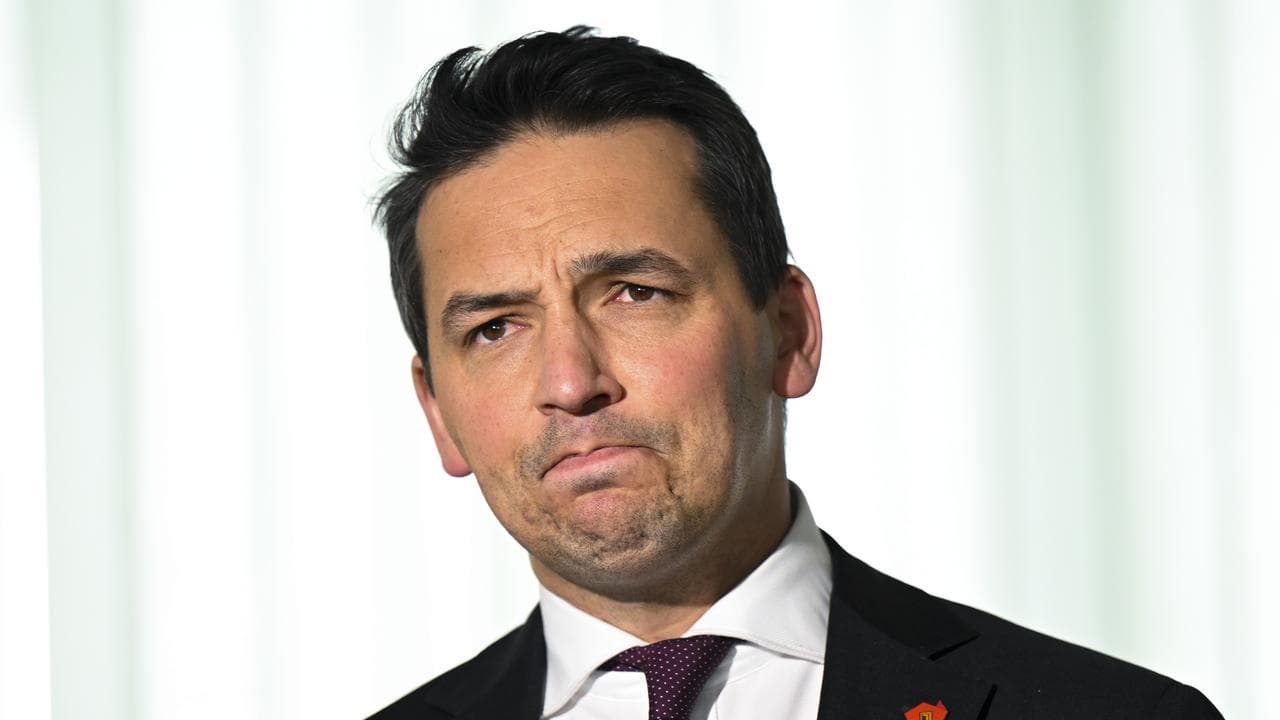
“We need to just remember that this can be fatal,” he said on Saturday. “I think sometimes there can be a tendency for us to get a bit blase about things like this because we think they might be a problem of the past.”
Symptoms and signs of the disease can include headache, fever, vomiting, neck stiffness and discomfort when looking at lights.
A skin rash may occur, with tiny red or purple spots that soon spread and enlarge to look like fresh bruises.
Young children may be fretful, difficult to wake and refuse to eat. They can also have leg pain, cold hands and feet, and a high-pitched or moaning cry. Others may develop pale, blotchy or abnormally coloured skin.
A vaccine for meningococcal A, C, W, and Y strains is free under Australia's national immunisation program for all children and young people.
Under the program, meningococcal B immunisations are only free for Indigenous children under one and Indigenous and non-Indigenous children two and under with medical conditions.
Babies and teens in the Northern Territory, SA and Queensland are covered under state-based regimes but parents in other jurisdictions are left $110 to $150 out of pocket per dose.
SA Health said vaccinated people should still remain alert to symptoms because vaccines do not protect against all types of the disease.


