Security policy in the Pacific must put people first as meth trafficking fuels a public health crisis, lawmakers have been warned.
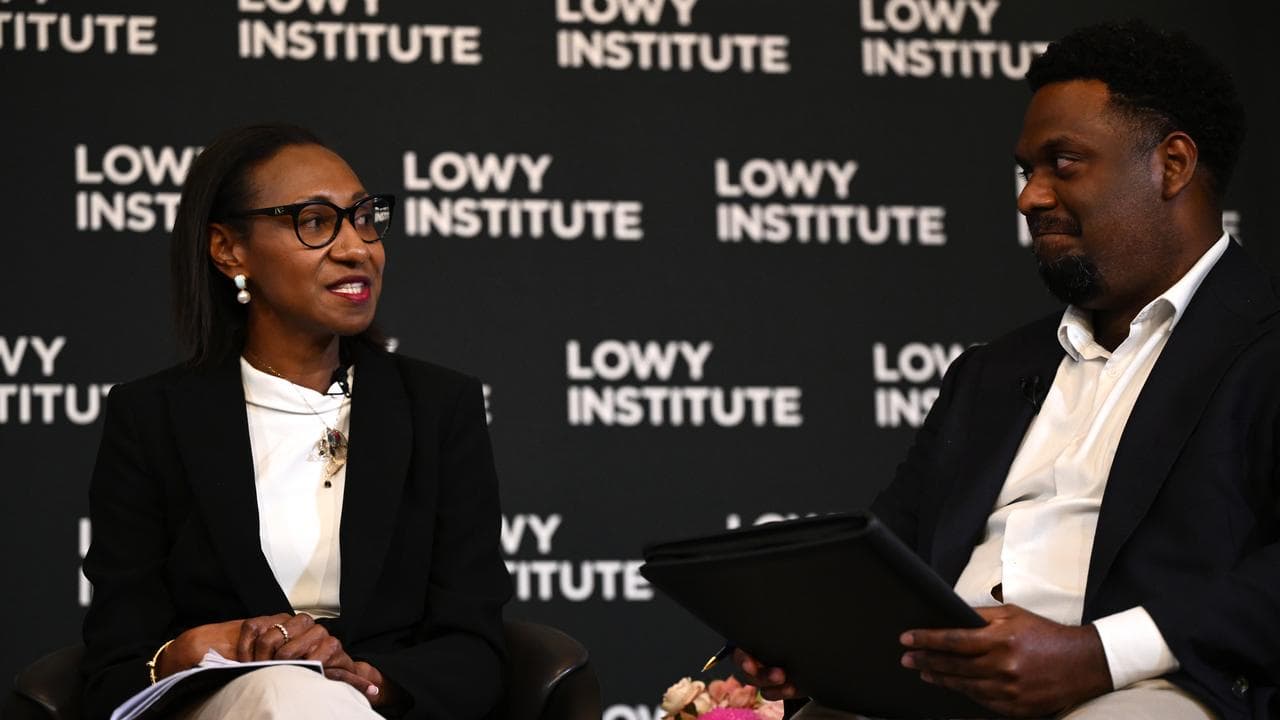
Policing and health services must work hand-in-hand to tackle mounting health and climate threats, three human security experts told the Lowy Institute on Thursday.
It comes as Fiji's HIV outbreak is being closely monitored for regional spillover after a national emergency was declared in September. An estimated one in 60 Fijians were living with HIV at the time.
The disaster stemmed from the use and sharing of methamphetamine that was being trafficked to Australia through the Pacific.
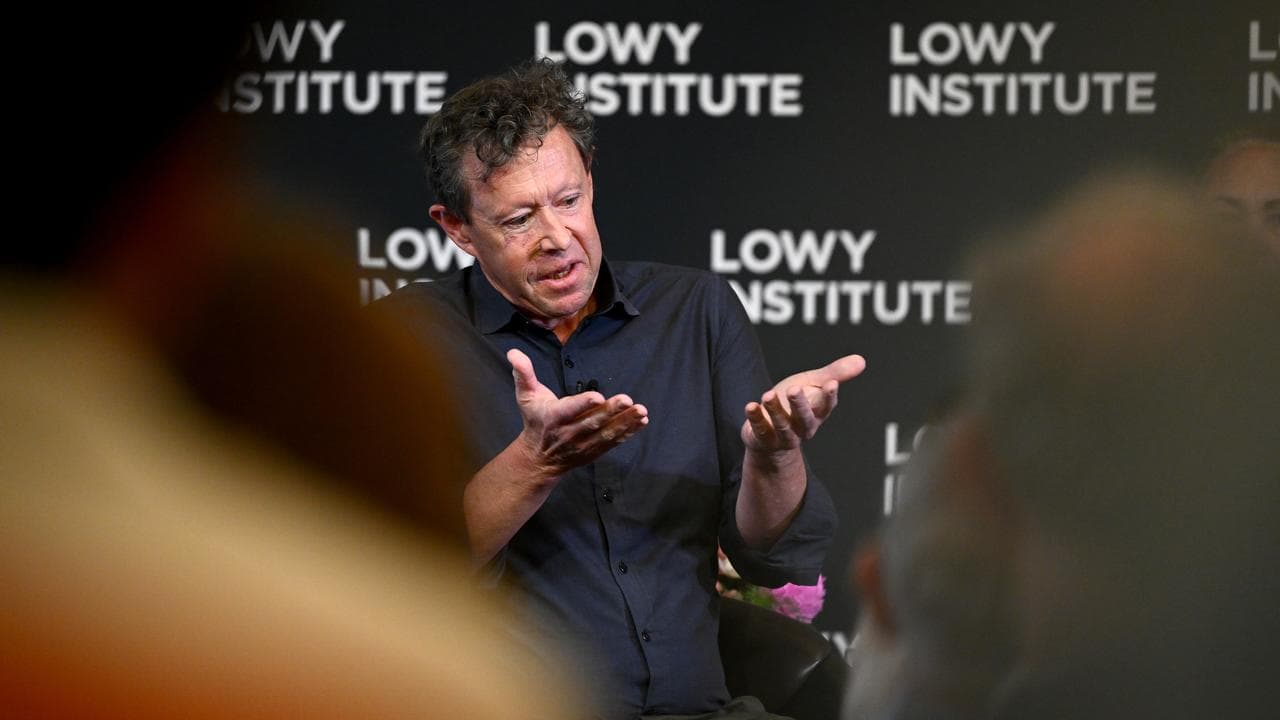
Public health expert and epidemiologist Dr Nick Thomson said: “We never thought that we would see methamphetamine-related HIV epidemics in the Pacific."
“The spill off of that is methamphetamine … a really nasty drug, and the people that are helping to facilitate potentially that probably get paid in that and then you have that perfect storm in say the informal settlements in Fiji,” Dr Thomson said.
The transit of Asian and South American meth has increased so much that the Australian Federal Police committed to "stepping-up" its interruption in May.
Melanesian Spearhead Group Secretariat director Dr Anna Naupa said “twinning arrangements” between justice and health bodies would be important in combating similar crises.
Policing agreements between regional nations should be extended, she said.
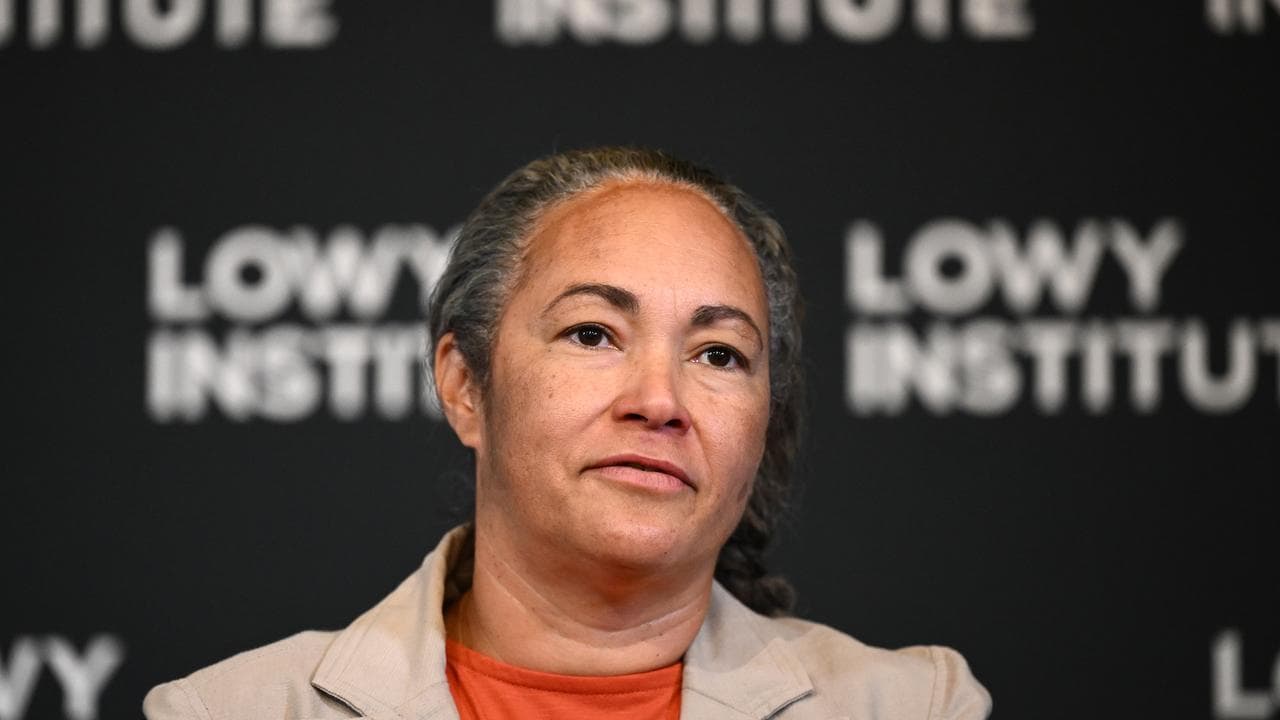
Dr Naupa said people and livelihoods should be central in sovereign protection and regional arrangements, encouraging lawmakers to consider a "human security test".
“How is it helping people’s access to food, to water, to shelter, to justice, to protection in their homes, to jobs, to livelihoods, education?” she asked.
The panel noted climate change and the impending El Nino summer posed a further threat to local security.
"Conflicts, and armed conflicts, these are increasingly resource-based conflicts,” Dr Thomson said.
Dr Serena Sasingian, a lawyer and public policy expert, said improving education would be critical for the region.
She highlighted Papua New Guinea's population bulge, with under-25s accounting for more than 50 per cent of the population.
Improvements in learning outcomes and recruitment to key industries such as teaching and health will prove vital for the nation and similar states, she said.
“I think the youth are our greatest asset if we invest in them right, and now’s the time to do that," Dr Sasingian said.


