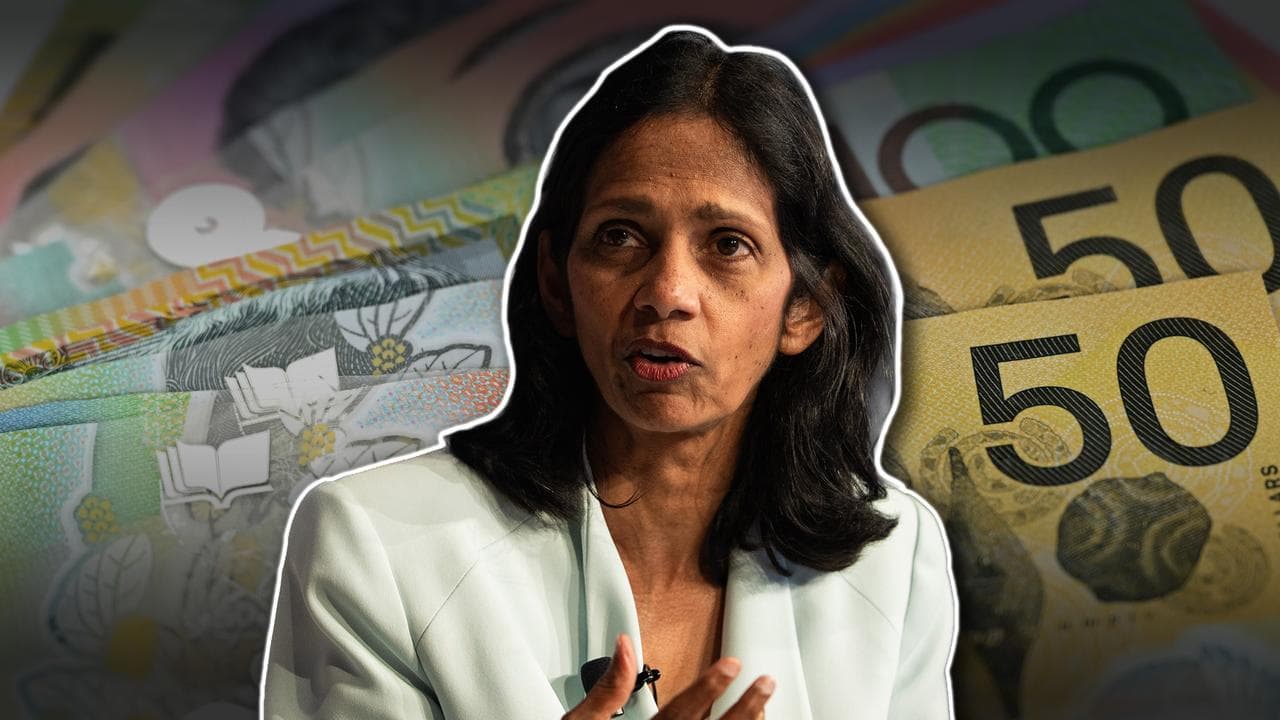
Shareholders in Australia's "millionaires' factory" have backed the pay of its retiring chief executive as she steps down with a vast fortune in the company.
Macquarie Group chief executive and managing director Shemara Wikramanayake will depart in November with 1.47 million in company shares, worth about $373 million.
She famously has never sold a single share she received in compensation during her 40-year stint at Australia's leading investment bank.
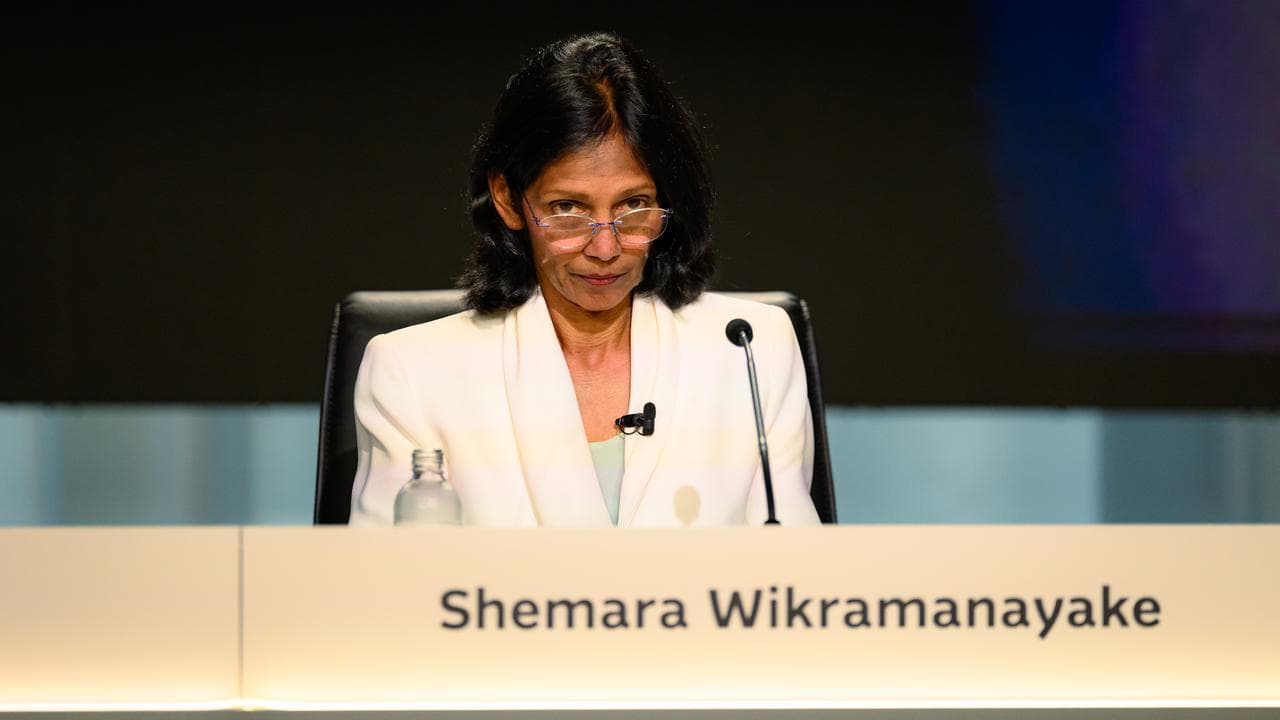
The British-born daughter of a Sri Lankan doctor, the 64-year-old has consistently been Australia's highest paid chief executive, earning between $24 million and $30 million a year.
Just five per cent of shares were cast against Ms Wikramanayake's executive pay packet at the company's annual general meeting on Thursday, so Macquarie avoided the humiliation of a "second strike" and its board members potentially having to stand for re-election.
Macquarie Group narrowly received a "first strike" over executive pay in 2025 when 25.4 per cent of shares were cast against its renumeration report, scraping past the 25 per cent threshold.
Ms Wikramanayake had delivered sustained growth and momentum for the company during her eight-year tenure as chief executive, chairman Glenn Stevens told reporters.
"She's navigated us through some very difficult times with pandemics, various other geopolitical events, and she's done that with incredible strength and grace, and with an unwavering commitment to the company and to its people and our resource and culture," he said.
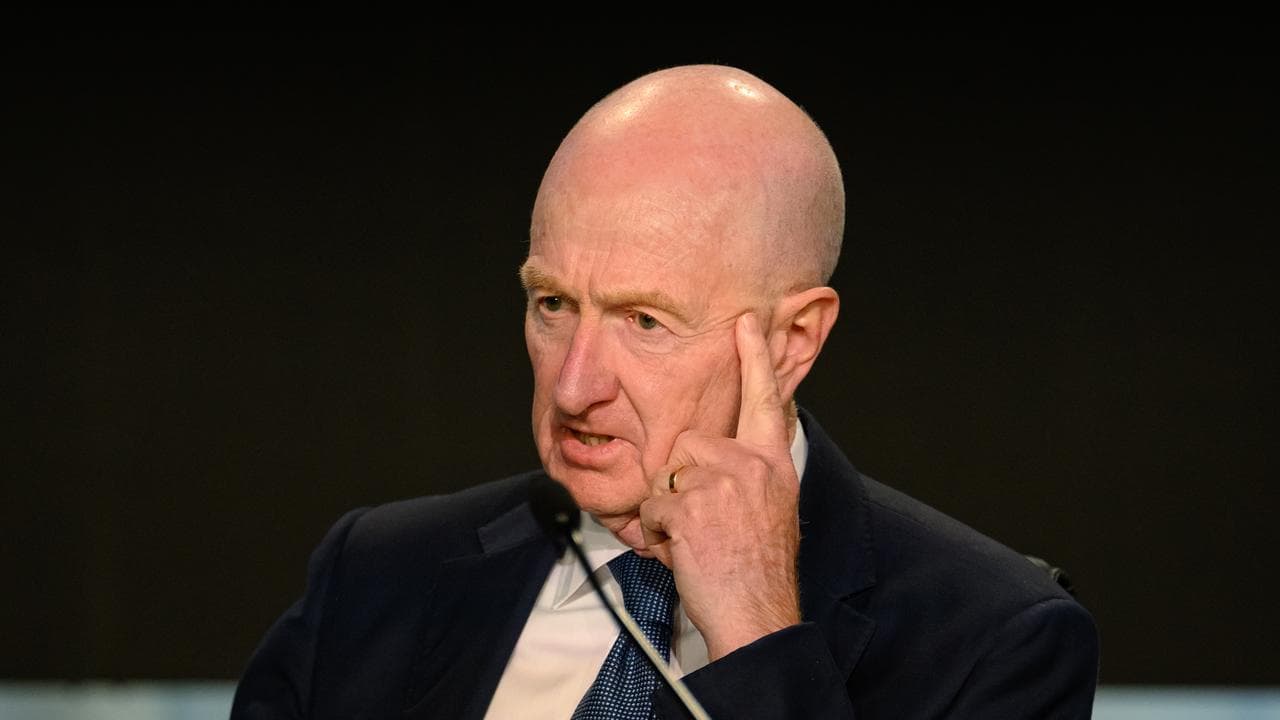
She'll be replaced by Greg Ward, a 30-year veteran of Macquarie who heads its banking division and also served as its chief financial officer during the global financial crisis.
He had done an "extraordinary job" repositioning Macquarie's retail bank as a significant source of innovation and competition during his 13 years leading the division, Mr Stevens said.
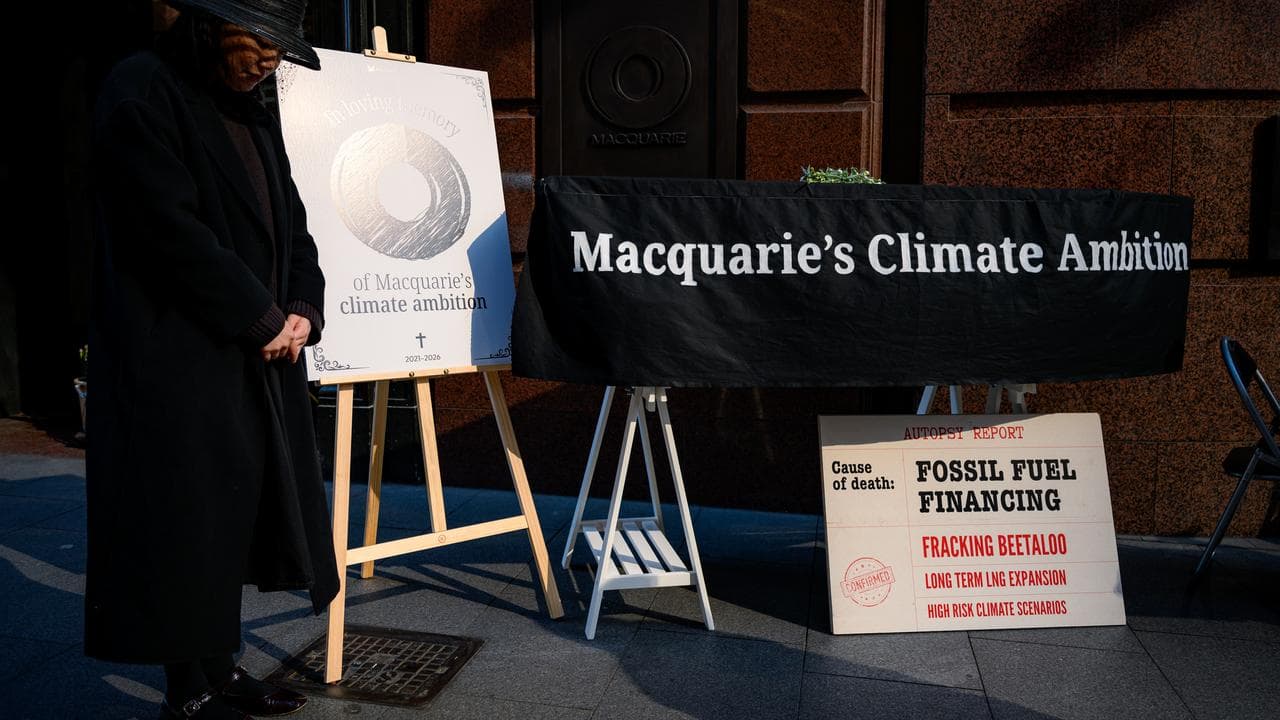
Shareholders at the meeting rejected a pair of resolutions co-filed by activist group Market Forces and super fund provider Australian Ethical asking the bank to disclose whether it is still committed to aligning its lending with the goal of net zero emissions by 2050.
Market Forces says Macquarie has become Australia’s most aggressive fossil fuel financier, tripling its oil and gas financing over the past three years at a time when other banks are reducing their exposure.
“Investors from across the globe have sounded the alarm on Macquarie’s fossil fuel finance, but many have let the group off the hook for enabling massive new gas projects which are hurtling us towards climate catastrophe," Market Forces head of research Kyle Robertson said.
Former Royal Dutch Shell senior executive Ian Dunlop told the meeting the bank's financing activities prioritised energy security and fossil fuel expansion at the expense of human security.
"If you keep doing things in the way we've been doing it, and they lead to the potential temperature increase that have been mentioned at two-and-a-half, three degrees ... they're not livable worlds," Mr Dunlop said.
"These will be catastrophic, absolutely catastrophic.
"Even at two degrees, we're going to see widespread mortality, food and water shortages, conflict and economic devastation."
Mr Stevens said climate change was a "wicked problem", but Macquarie could not set global policy or do things that really addressed the problem for the world.
"But we're seeking to play our part in a way that we think makes sense, is tractable, practical and is in the interests of shareholders," the former Reserve Bank governor said.
Another shareholder, Helen Scotts, commended Macquarie for investing in fossil fuels and said she hoped the investment bank would fund nuclear energy.
"We really need to keep going with fossil fuels to supplement the renewables until we're ready for the changeover," she said.
Shares in Macquarie, long referred to as the "millionaires' factory" for its high-paid executives, finished down 0.5 per cent to $253.75, giving the company a market capitalisation of $97.8 billion.


