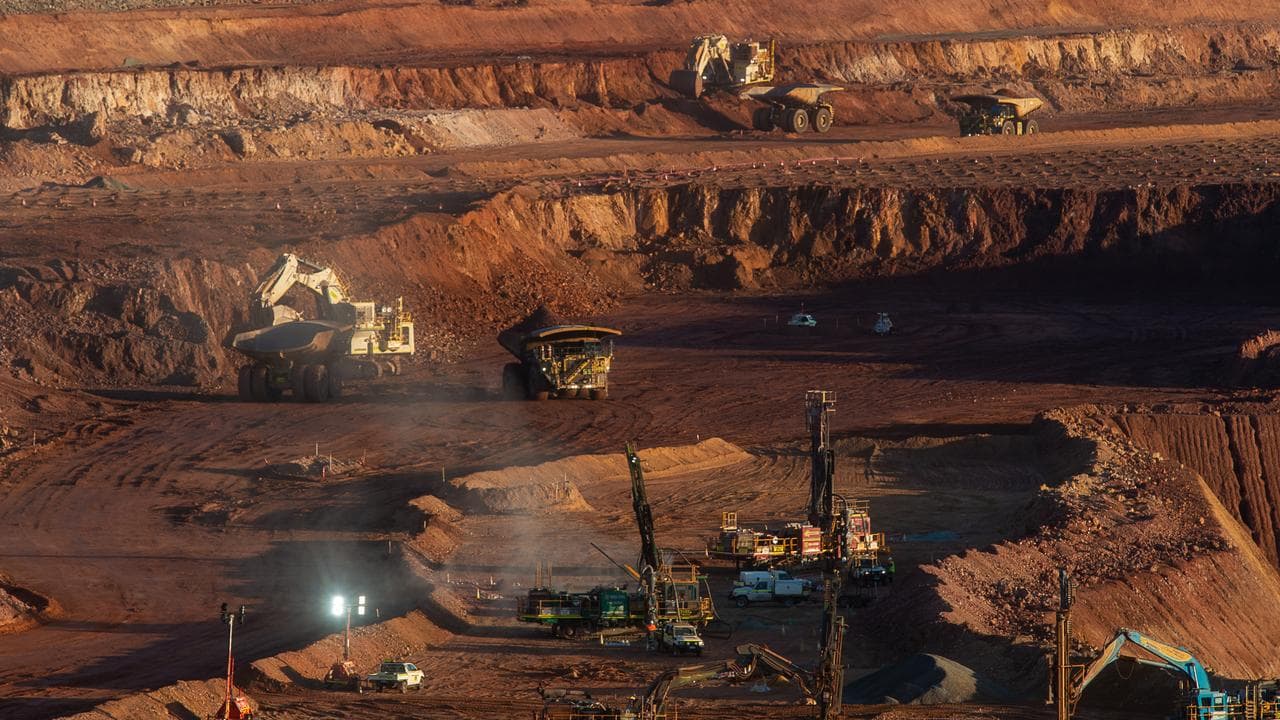
The mining sector has kept the local bourse above water - although just barely.
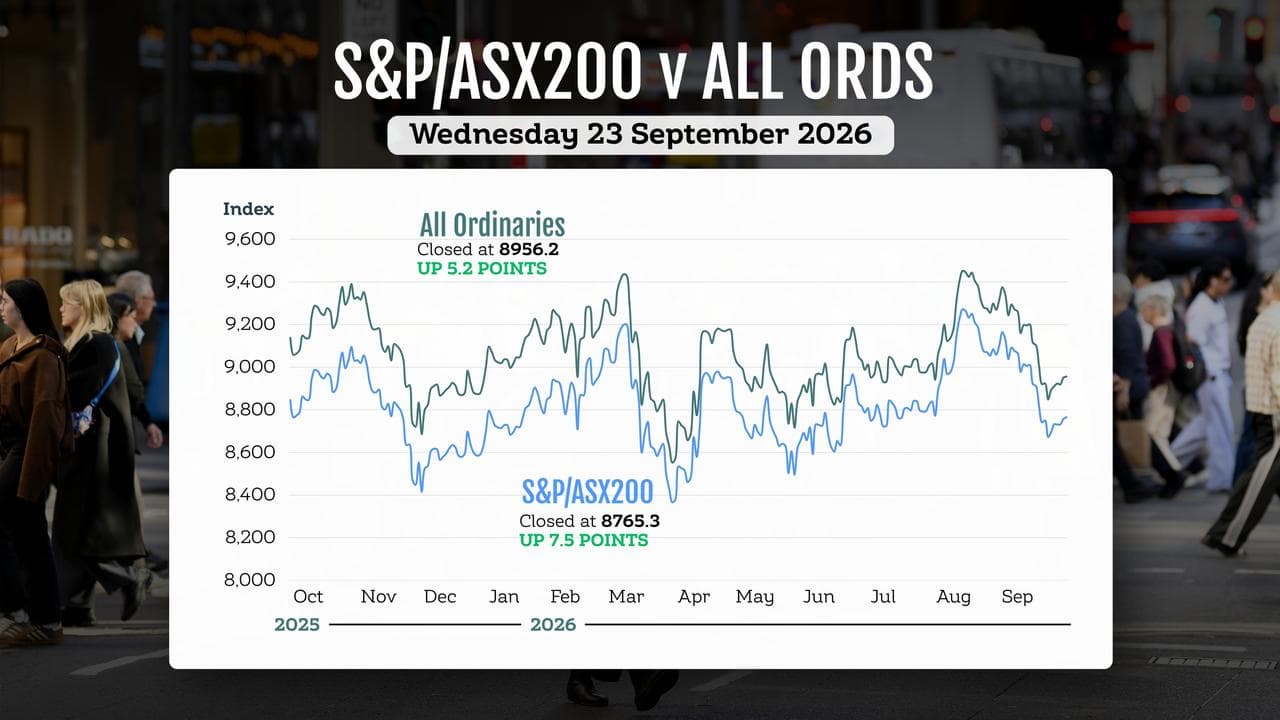
The benchmark S&P/ASX200 index on Wednesday finished up 7.5 points, or 0.09 per cent, to 8,765.3, in its third straight session of very modest gains.
The broader All Ordinaries added 5.2 points, or 0.06 per cent, to 8,956.2.
Investors were focused on a three-day summit between US President Donald Trump and Chinese President Xi Jinping in Washington due to kick off overnight, Capital.com analyst Kyle Rodda said.
Trade policy was at the forefront of market participants' minds given the trade war between the two countries, with hopes that deals were on the table, he added.
There was also the chance that the US could extract support from China to use its leverage over Iran to make a peace deal, with talks on the evolving arms race between the two superpowers over artificial intelligence also a possibility.
Global X investment strategist Justin Lin said that the ASX was being held back by its limited exposure to the AI trade, which has been roaring back in the US, with Meta's stock surging in recent days.
The ASX's material sector was becoming Australia's closest proxy for the AI trade, Mr Lin said, with the data centre rollout driving demand for industrial metals such as copper and aluminium.
The ASX's materials/mining sector finished up 1.6 per cent, one of just three sectors to close in the green.
Goldminers shone as the yellow metal changed hands at $US4,370 an ounce, down slightly from Tuesday.
Evolution gained 2.2 per cent, Northern Star added 4.0 per cent and Newmont climbed 3.0 per cent.
BHP, now mostly a copper miner, rose 1.4 per cent to $62.07, while Rio Tinto added 0.8 per cent to $167.61 and Fortescue gained 0.6 per cent to $16.85.
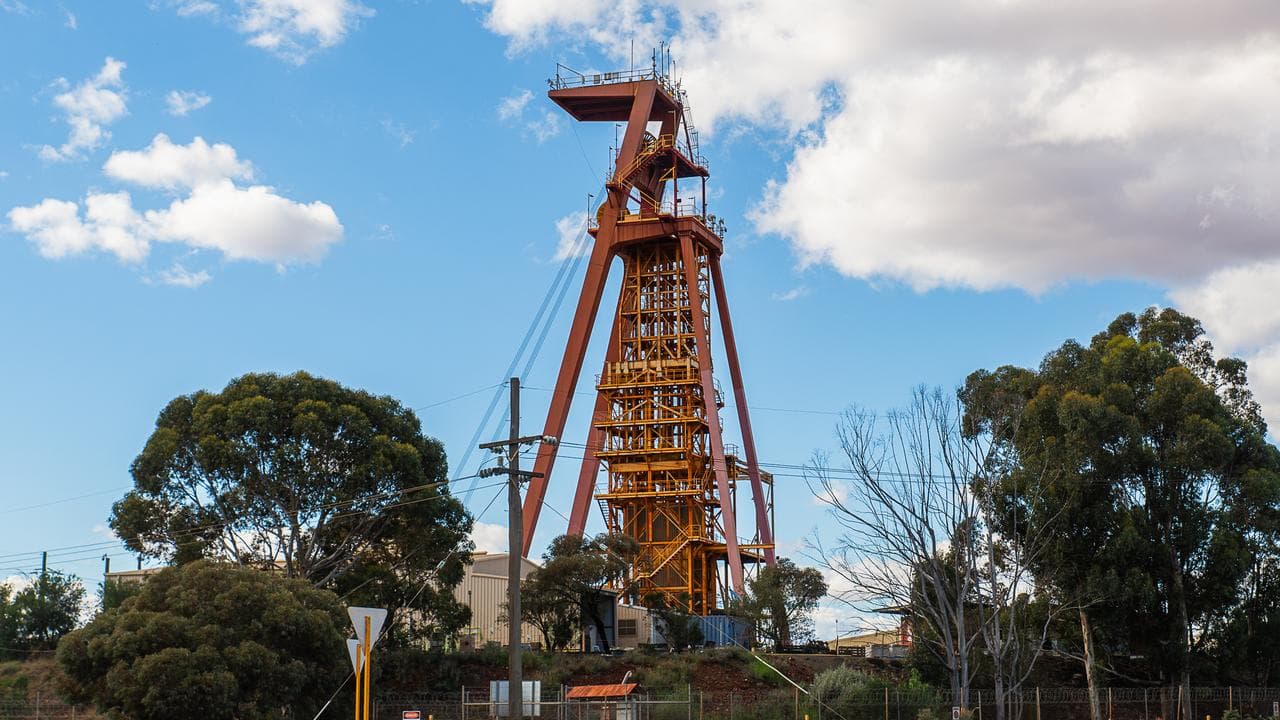
Elsewhere in the materials sector, lithium miner PLS Group added 1.2 per cent, rare earth miner Lynas gained 1.1 per cent, and building products company James Hardie rose 3.1 per cent.
In the financial sector, three of the big four banks finished in the red.
CBA dropped 0.8 per cent to $151.05, ANZ slipped 0.8 per cent to $37.83 and Westpac fell 0.4 per cent to $34.76.
NAB was the outlier, edging 0.1 per cent higher at $38.66.
Insurance giant IAG fell 2.4 per cent while Suncorp dropped 1.8 per cent.
The energy sector dropped 1.7 per cent as Brent crude fell to a two-week low of $US98.50 a barrel following reports that Iran had offered to reopen the Strait of Hormuz if the US lifted its military blockade.
Woodside slid 1.7 per cent, Santos dropped 1.5 per cent and Whitehaven Coal lost 2.1 per cent.
Elsewhere, REA Group fell 3.1 per cent as the realestate.com.au owner announced it appointed former AMP Bank executive Sally Bruce as a non-executive director.
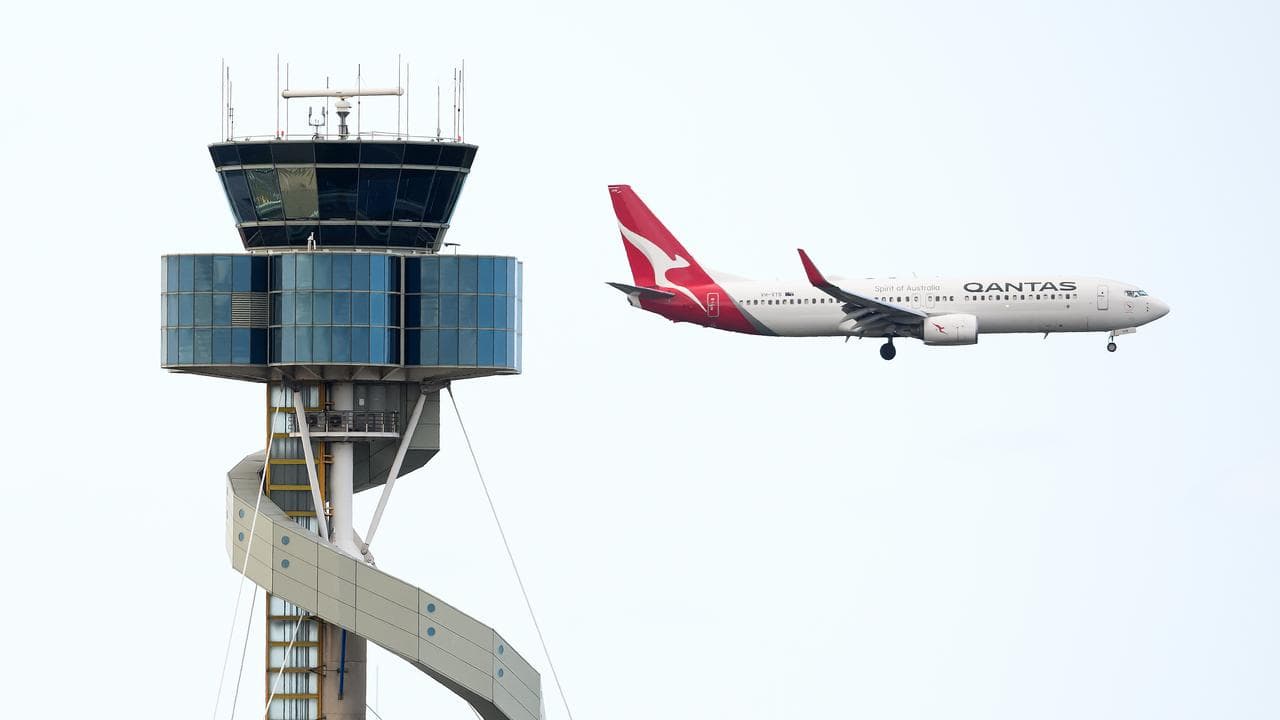
In the industrial sector, Qantas climbed 2.1 per cent to $9.14 after the airline said tickets for its new Sydney-New York nonstop flights would go on sale in August 2027, ahead of their launch date in mid-2028.
In the consumer discretionary sector, Myer finished flat at 17.5 cents after posting a $276.5 million loss for 2025/26.
Executive chair Olivia Wirth told a briefing that while the result was below expectations, the department store chain remained focused on the areas within its control as it executed its strategy.
In currencies, the Australian dollar was changing hands for 70.98 US cents, from 71.05 US cents at 5pm on Tuesday.
ON THE ASX:
* The S&P/ASX200 rose 7.5 points, or 0.09 per cent, to 8,765.3
* The broader All Ordinaries gained 5.2 points, or 0.06 per cent, to 8,956.2
One Australian dollar trades for:
* 71.18 US cents, from 71.18 US cents at 5pm AEST on Tuesday
* 111.88 Japanese yen, from 112.19 Japanese yen
* 62.11 euro cents, from 62.09 euro cents
* 53.28 British pence, from 52.23 pence
* 124.31 NZ cents, from 123.93 NZ cents


