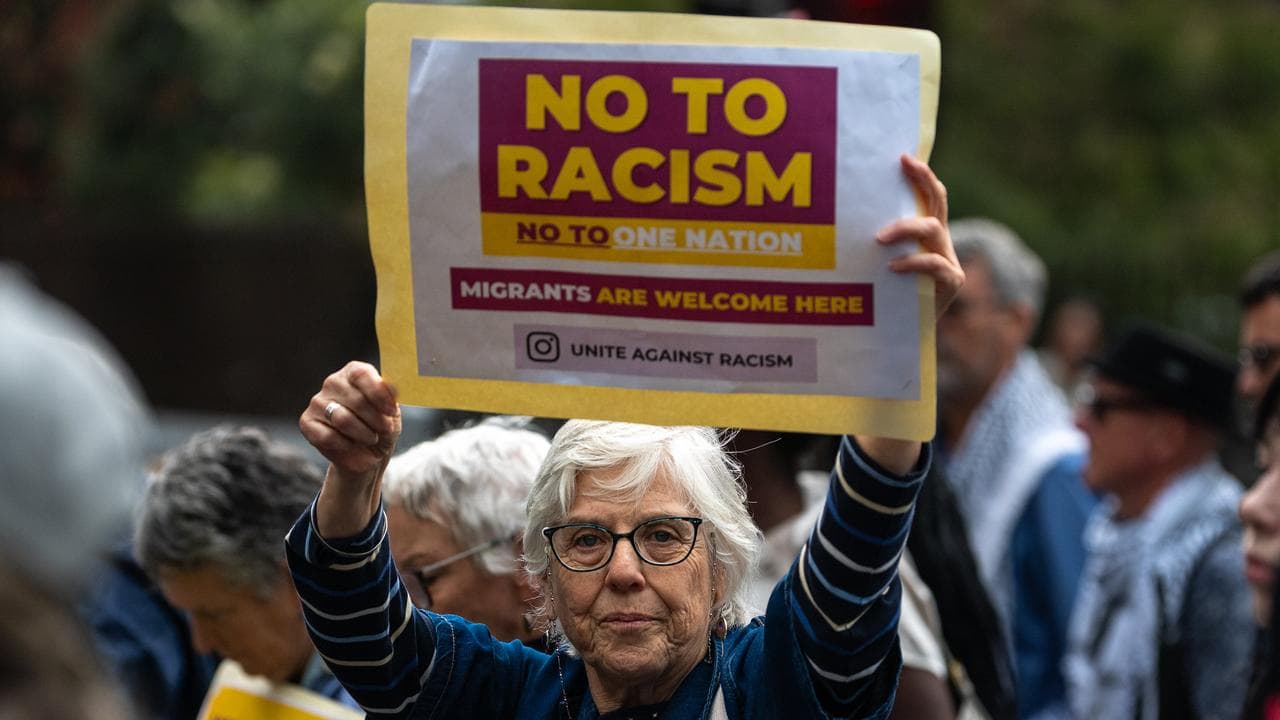
Australians’ experiences of racism are being erased because of a failure to adequately collect and use data, the human rights watchdog says.
A report by the Australian Human Rights Commission has found data on race and racism in the nation is fragmented or collected inconsistently.
This means people’s experiences of racism were severely under-counted or erased, and made the “critical problem” harder to tackle, Race Discrimination Commissioner Giridharan Sivaraman said.

“We're missing so much of the picture at the moment,” Mr Sivaraman told AAP.
“Racist violence is on our streets in the worst possible way.
“Yet we still don't have good means of collecting data on where racism is occurring, who it is affecting, and what solutions will work best.”
He said data on racism was gathered in a piecemeal way from a combination of police reports, work by community organisations or complaints filed to the commission.
“That's a microcosm of the racism that occurs in society,” he said.
There were also a number of barriers that prevented people from reporting racism, including fear of retaliation, the commissioner said.
“In my experience, it's often the case that the person that reports racism or makes a complaint suffers far more than the perpetrator,” he added.
“Another problem is that people often think, 'well, nothing's going to happen if I report it'.”
The watchdog has called for a national anti-racism plan which would involve setting up an advisory group with First Nations representatives, as well as those from other communities.
Mr Sivaraman said this was to ensure these groups had agency over how their data was collected and used.

Australia had a troubled history of data collection, he said, particularly regarding Indigenous people.
"Data on First Peoples was collected to remove Aboriginal children from families. It was collected to force Aboriginal families into settlements and camps," he said.
"What we need is a new way of collecting data with First Peoples that's co-designed, that is on a strengths basis, and most importantly, that ensures data sovereignty for First Peoples."


