
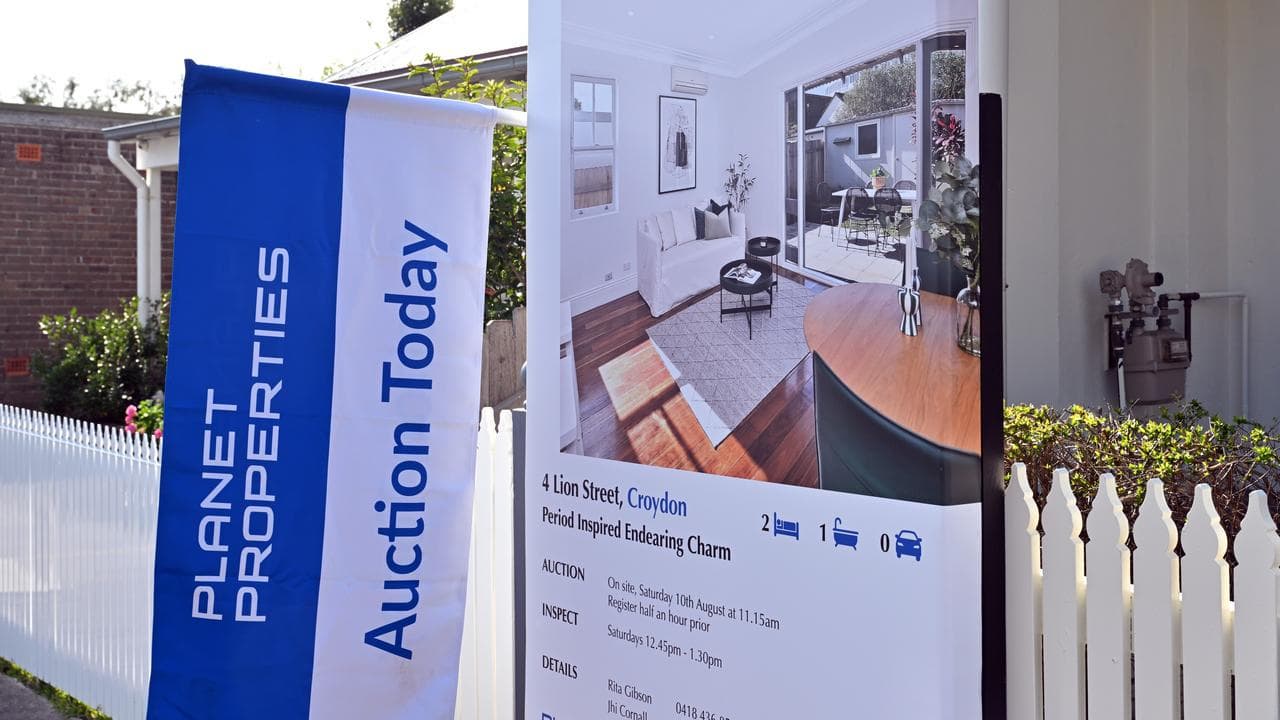
All eyes were on the auction market to see the response to negative gearing and capital gains tax changes in the first weekend after the federal budget.
The results were mixed.
The volume of homes that went to auction across the capital cities fell 11 per cent from the previous week, but that was still almost nine per cent higher than a year ago, according to property data firm Cotality.
Nationally, the preliminary clearance rate edged 1.1 percentage points higher to 57.5 per cent. But it was down six percentage points in Sydney to a six-year low of 49.2 per cent.
The budget changes might have dampened sentiment among investors but was unlikely to be the main factor impacting the market amid rising interest rates and ongoing conflict in the Middle East pushing up inflation, Ray White chief economist Nerida Conisbee said.
"Probably the biggest impact was rising uncertainty, and that seems to be the biggest challenge at the moment," she told AAP.
"We've had three interest rate rises, we've got a Middle East conflict, and then you add the uncertainty of the budget, and it starts to make people not necessarily change their decisions, but definitely question them."
Ms Conisbee said the most notable shift in the market was in open home attendance, which fell to 2.1 attendees per property from 2.5 the week prior, across approximately 12,000 open homes tracked by Ray White.
The mood varied not just between cities but between the higher and lower ends of the market too.
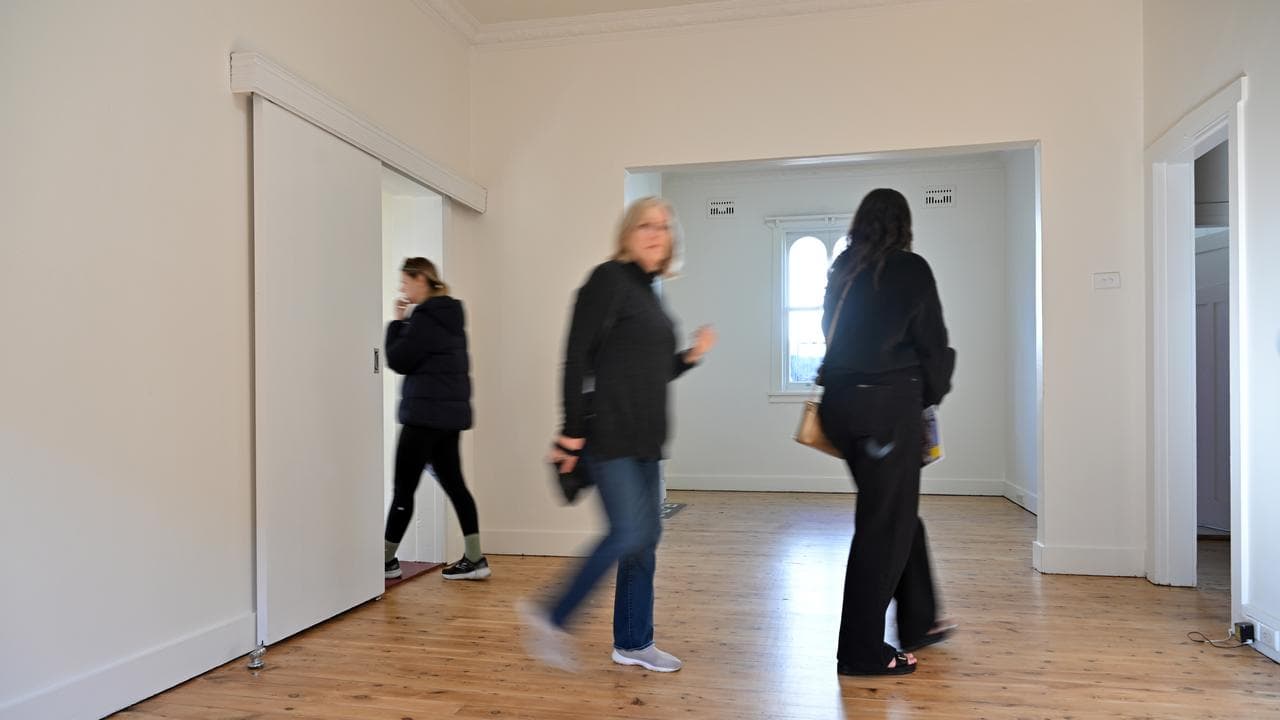
Attendance was up slightly across the 250 open houses tracked by Sydney real estate agency BresicWhitney on Saturday, director Shannan Whitney said.
Given they were predominantly in the prime inner-city metro market, about 90 per cent of BresicWhitney's properties are purchased by owner-occupiers, who were feeling more positive than investors post-budget, Mr Whitney said.
Despite the positive sentiment from first home buyers, Treasurer Jim Chalmers and Prime Minister Anthony Albanese have been hard at work selling the budget changes, which polling suggests have not gone down well with the broader electorate.
While Mr Albanese was at a housing construction site in Adelaide, Dr Chalmers was up in Brisbane spruiking a deal with the Queensland government to fund roads, sewers and other last-mile infrastructure that will enable more than 51,000 homes to be built.
The federal government will provide $399 million in grants and $1.6 billion in zero-interest loans, and Queensland another $399 million, with 20,000 homes exclusively reserved for first home buyers.
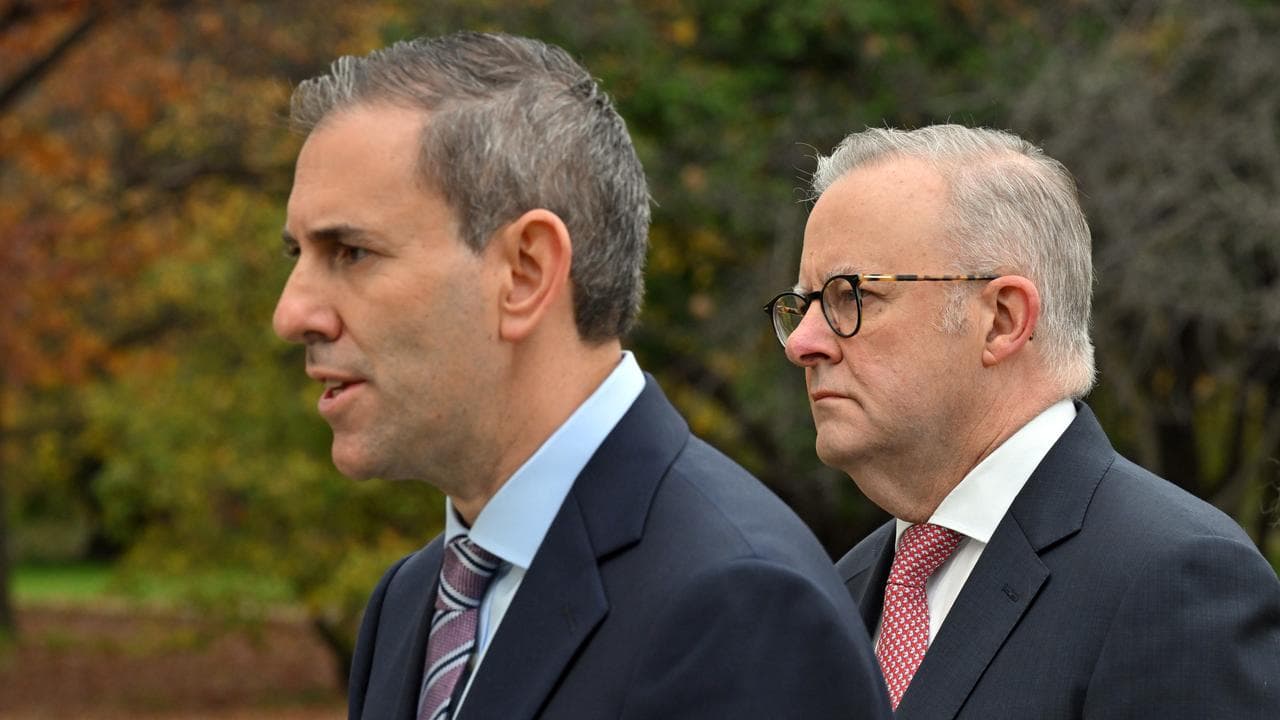
Dr Chalmers acknowledged Labor was bearing a near-term political cost for the budget tax changes, but it was worth it to fix a "broken status quo in housing".
"This is how you make a tangible difference to the housing market in this country – taking difficult decisions, building more homes, making more of those homes available to first home buyers," he told reporters on Monday.
"That's what the budget was all about."
While critical infrastructure funding got a $2 billion boost in the budget, the $10 billion centrepiece of the government's housing supply push has completed less than four per cent of its target, almost two years into its five-year rollout period, a parliamentary inquiry heard.
The Housing Australia Future Fund, which was supposed to fund 40,000 new social and affordable homes by mid-2029, had delivered 1432 homes, Housing Australia chief executive Scott Langford said.
Another 6851 homes were under development and a further 4927 had planning approval.
The pipeline was building momentum, Mr Langford said.
"So notwithstanding there are some challenges in the broader construction market at the moment, we anticipate that the program is building towards a delivery profile that will have those homes completed by the middle of 2029," he told the inquiry.
Greens Senator Barbara Pocock said the housing future fund was too slow, too complicated, and was not touching the sides for the 640,000 Australians in need of social and affordable housing.


