
Australians who commit a crime could have their working with children check revoked as soon as they're found guilty by the end of 2026, as part of a set of reforms aimed at better protecting young people from predators.
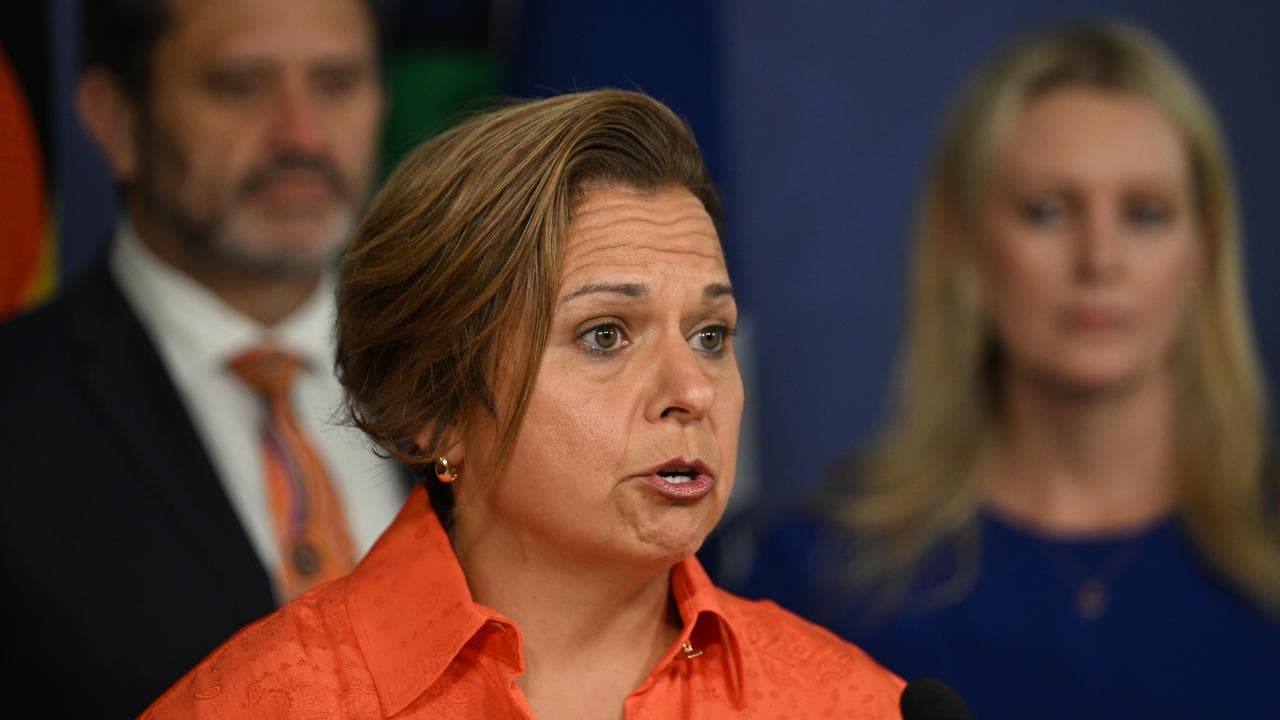
Federal Attorney-General Michelle Rowland used a meeting of her state and territory counterparts on Friday to announce $37 million in funding towards enhanced national monitoring of working with children checks.
At the moment, someone who commits a crime could potentially hold onto their check for years until it needs to be renewed.
All jurisdictions have now agreed to sign up to a "national continuous checking capability", which will allow the use of state and territory police databases to monitor the criminal histories of check-holders in "near real time".
A pilot of the system will be set up by the end of December, allowing states and territories to gradually sign on.
It's hoped the system will significantly strengthen safeguards for children and young people.
By mid-2026, all states and territories have also agreed to have matching "automatic exclusion criteria" that would prevent a person working with children.
But the program won't be fully established until mid-2028, when it will be fully integrated with all state and territory police forces and backed up with legislation in all jurisdictions, according to a communique released after the meeting.
"We are progressing a co-ordinated and ambitious reform agenda to achieve meaningful consistency across jurisdictions for when a person is suitable to hold a WWCC and when they should be excluded," Ms Rowland said.
Calls for national reforms to the system have been growing since Melbourne childcare worker Joshua Dale Brown was charged with sexually abusing eight children under the age of two.
Brown was known to have worked at 24 facilities between 2017 and 2025.
The government says significant progress has been made since a crisis meeting of federal, state and territory education ministers in August.
Five states and territories have since taken steps to ensure that if a person is banned in one jurisdiction, they will be banned across the nation.
The remaining three states and territories are on track to introduce legislation in 2025.
A national working with children check remains off the cards.
Further work was required to achieve national consistency in how risks were assessed and when individuals were either granted or excluded from receiving working-with-children checks, Ms Rowland said.
“I look forward to continuing to work with my state and territory counterparts to deliver this ambitious reform agenda and ensure our children and young people are safe from harm," she said.
1800 RESPECT (1800 737 732)
National Sexual Abuse and Redress Support Service 1800 211 028


