
In his 20s, James McLure was a social, footy-playing, self-confessed science "boffin" who regularly attended church but also enjoyed a drink and a joint with his friends.
Until slowly, his grip on reality started shifting, his paranoia grew and he slipped into psychosis as a severe case of schizophrenia took hold.
For seven-and-a-half years, Dr McLure says, he existed in “a living hell”.
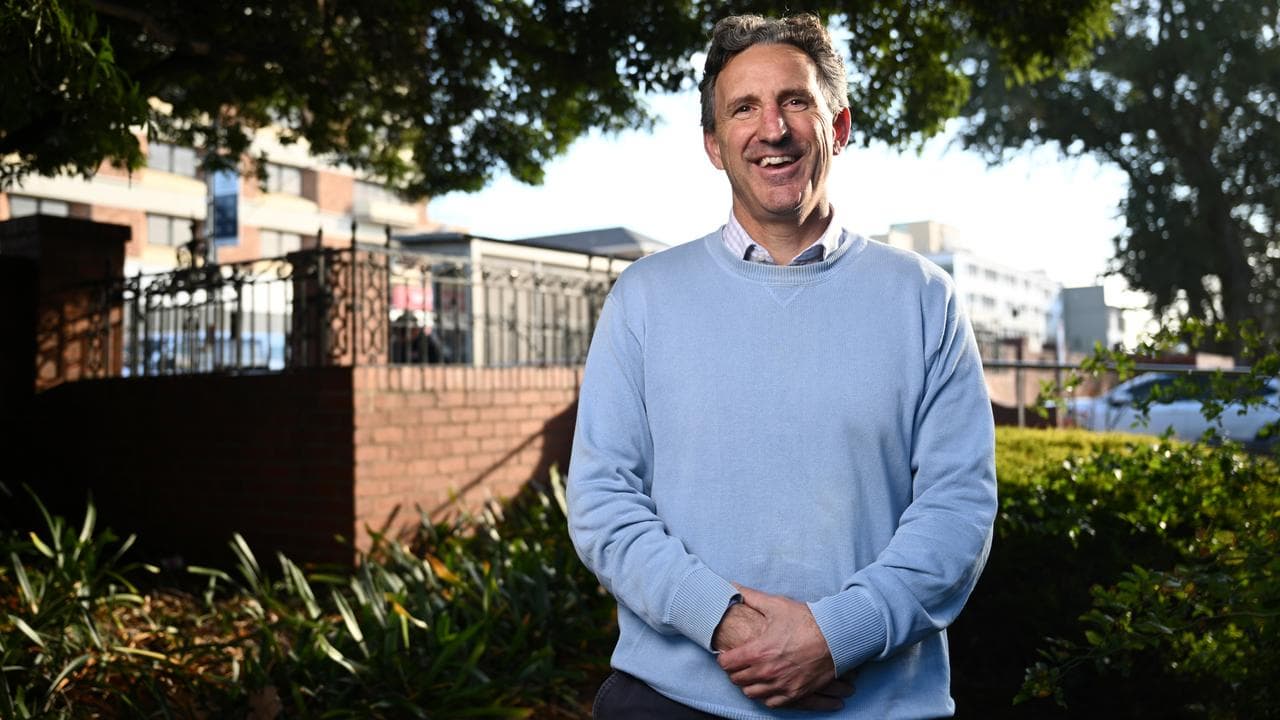
“I started thinking by feelings and imagination and started to lose contact with reality, and it was a different reality that I was living in,” Dr McLure tells AAP.
At his lowest, he was 25 kilograms underweight, tormented by delusions and living with his parents in Geelong as a 33-year-old dependent.
“I’d suffered a spiritual death,” he says.
"I wasn’t far off physical death either."
Hitting rock bottom was "the turn of the tide", forcing him to assess where he was heading and - finally - ask for help.
Now, years later, Dr McLure is engaged, raising two boys, leading peer support workers at Barwon Health and employed as a research fellow at Deakin University.
His work involves developing potential new treatments for the same illness that once almost destroyed his life.
His story is one mental health advocates hope Australians will hear during Schizophrenia Awareness Week, from May 18 to 24, as campaigners push back against decades of stigma and fear surrounding the condition.
Schizophrenia affects about one in 100 Australians, according to the Mental Illness Fellowship of Australia.
However public understanding has “never kept pace with the reality of living with it”, says chief executive James Maskey.
“Historically, people with schizophrenia have been portrayed as villains or as people to be feared in movies and in television and at times as well in reporting in the media,” Mr Maskey tells AAP.
“In reality, many people with schizophrenia are more likely to be victims of serious crime than perpetrators of serious crime.”
Mr Maskey says the stigma attached to schizophrenia often prevents people seeking help early and contributes to worsening illness, broken relationships and social isolation.
“That stigma has a cost we measure in delayed treatment and fractured families and lives that should be expanding rather than shrinking,” he says.
“More often than not, (people with schizophrenia) can be incredibly peaceful and loving people who wouldn’t harm an ant.”
Dr McLure knows firsthand how damaging those perceptions can be.
“I thought, ‘Oh no, well dad, are you telling people? They’ll think I’m bad?’” he recalls thinking, after his father openly discussed his diagnosis with friends.
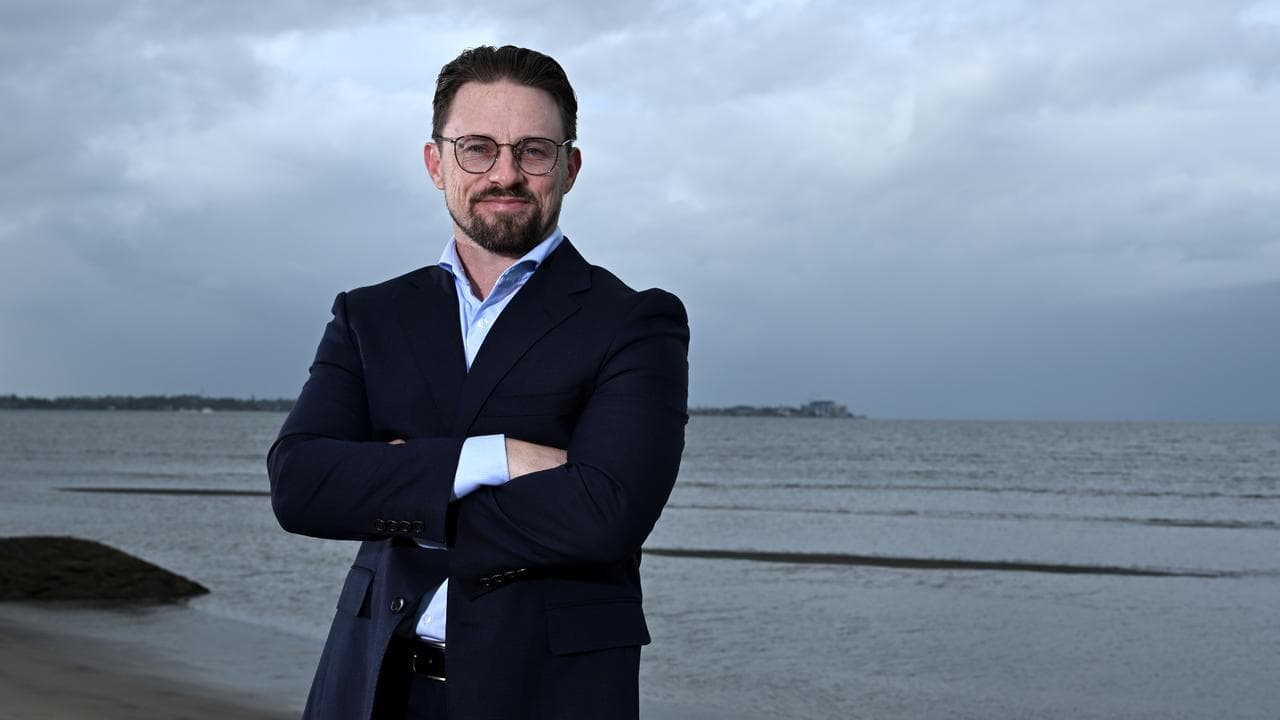
Instead, he says, the response was overwhelmingly compassionate: "‘Just tell James we want him to get well.’”
That experience fundamentally shifted his understanding of stigma.
“Maybe this stigma thing is actually in my own brain,” he recalls thinking.
“Good people want you to get better no matter what you’ve got or what you’re faced with.”
Dr McLure’s illness emerged gradually while he was studying science and pharmacology and playing football in Adelaide.
At first, he did not recognise the warning signs, although his mother sensed something was wrong years before.
Early signs of a distorted reality included sitting in church and feeling like the sermon was being given directly to him and about him.
The illness eventually led to hospitalisation, antipsychotic medication and what he describes as an extraordinarily difficult recovery process.
“The medication is something that helps to give distance to the illness,” he says.
“But then it’s like the hard work really starts ... excruciatingly hard work, changing your habits of thinking from feelings and imagination to reason.
“The remedy is truth, character and friendship.
“Through being offered friendship and accepting friendship and being a friend to others, that’s actually where the healing happens.”
Mr Maskey says community-based psychosocial support is critical for helping people with schizophrenia remain connected to housing, employment and relationships.
Yet Australia’s mental health system still prioritises crisis care over long-term recovery support.
“We’ve continued to fund more hospitals, more hospital beds, more crisis centres, but we have not funnelled the appropriate level of investment back into community,” he says.
“The gap between people with schizophrenia, what they need and what the system currently delivers is a structural failure.”
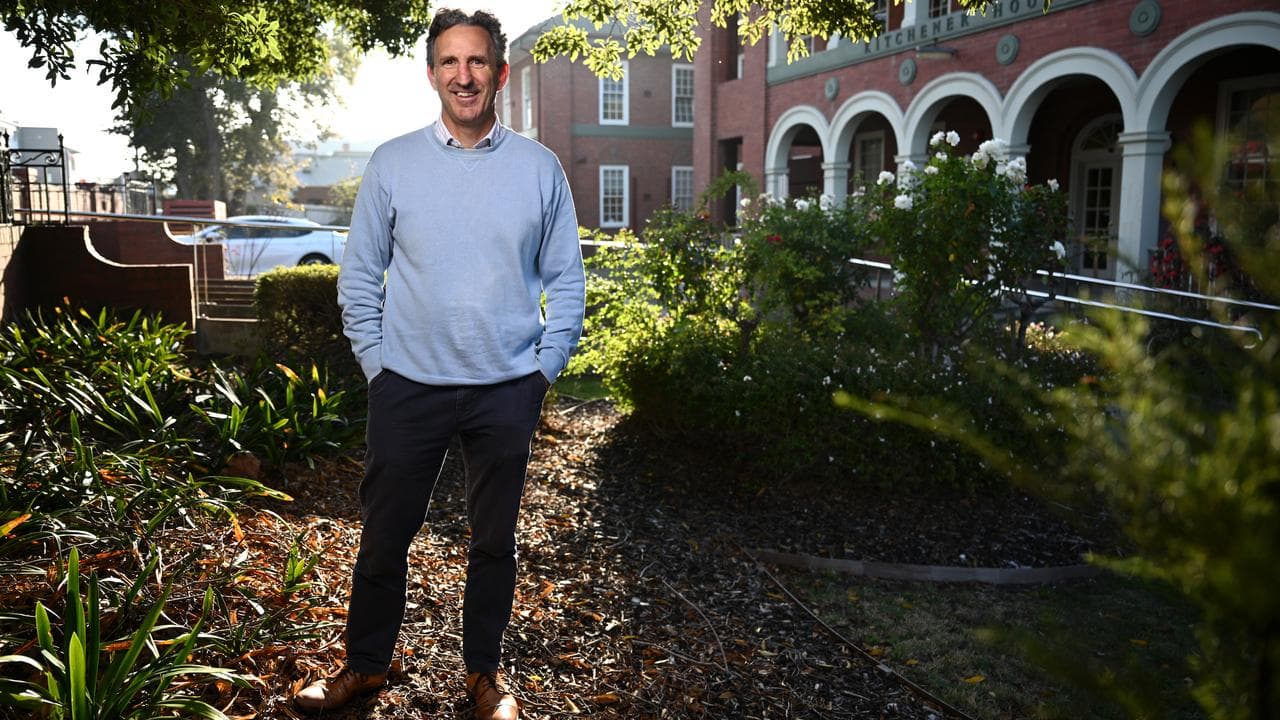
For Dr McLure, recovery eventually became something bigger than survival.
After years volunteering and working in peer support, he returned to research in 2021 and is now involved in a project aimed at developing new medications for schizophrenia.
“I feel like all I’ve been through is now: 'oh yeah, that might have been for this reason',” he says.
“I have this special insight into what the illness is and how to combat it and overcome it.”
Today, he says his life has been transformed.
“I’ve realised that the illness isn’t at all my identity,” he says.
“My identity is a peaceful one and a loving one.”
Lifeline 13 11 14
beyondblue 1300 22 4636


