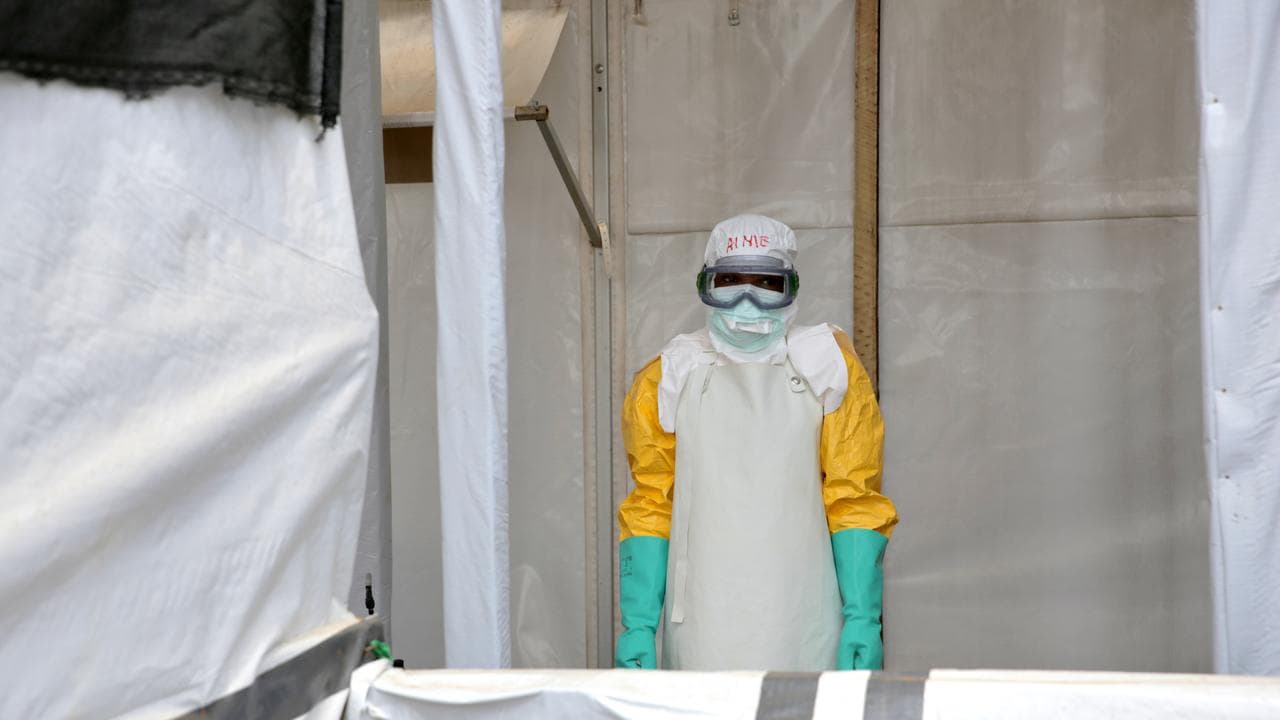
The number of confirmed Ebola cases in the Democratic Republic of Congo has passed the 6000 mark, government data shows.
The epidemic has become the largest in the central African country's history, surpassing the previous worst outbreak that lasted from 2018 to 2020.
It is caused by the Bundibugyo strain of Ebola, which has no approved vaccines or treatments.
The number of people with confirmed infections has risen to 6041 and 2911 of them have died, the communication ministry said on X.
Response teams are working in six provinces affected by the outbreak, with a particular focus on Ituri, North Kivu and Haut-Uele, it added.
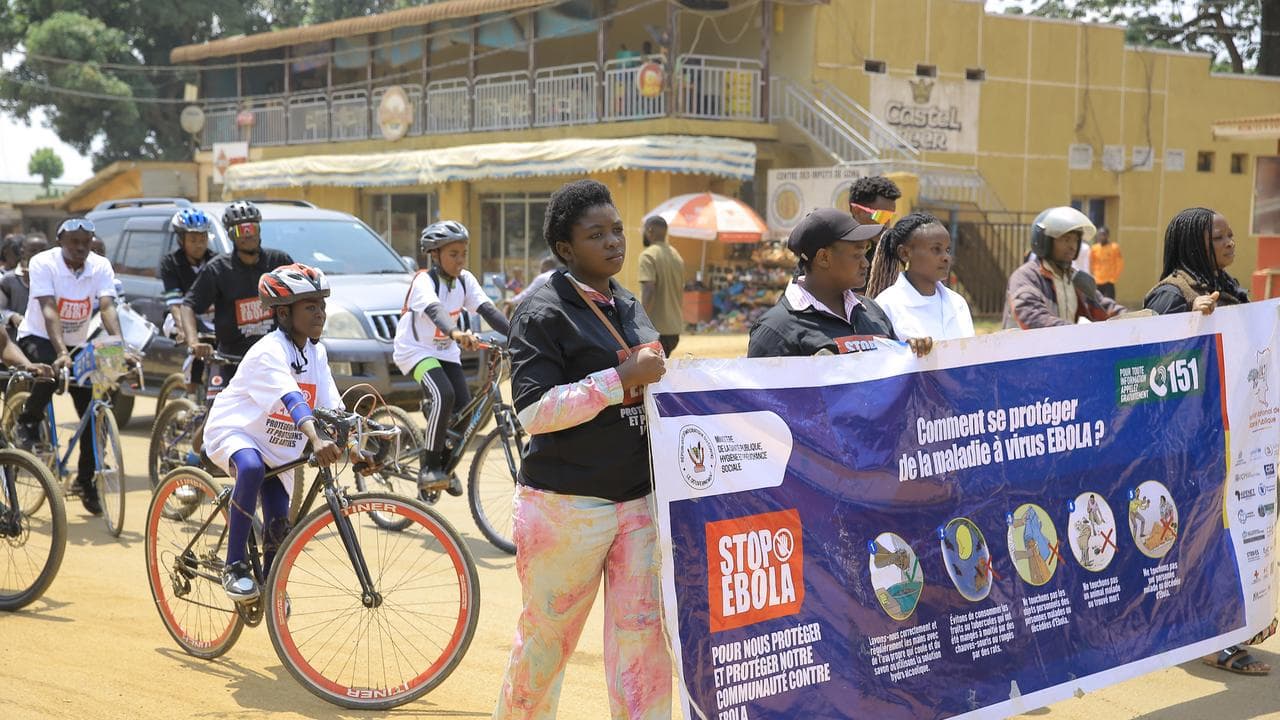
Experts believe there is a high number of unreported cases.
At present, 619 people are reported to be in isolation or receiving treatment.
The current outbreak of the Bundibugyo strain of the disease has been particularly difficult to contain, partly because there is so far neither a specific vaccine nor a specific treatment.
The World Health Organisation announced the outbreak in mid-May.
Given the already high number of cases at the time, experts believe that the first Ebola infections may have occurred undetected as early as February.
The northeastern province of Ituri was initially affected.
Clinical trials of two antiviral treatments have been under way since early July.
In addition, a clinical trial involving the Ervebo vaccine began last week.
Ervebo is approved for the more common Zaire strain of the virus.
According to the Africa Centres for Disease Control and Prevention, suspicions that the Bundibugyo strain may have mutated have not been confirmed.
with DPA


