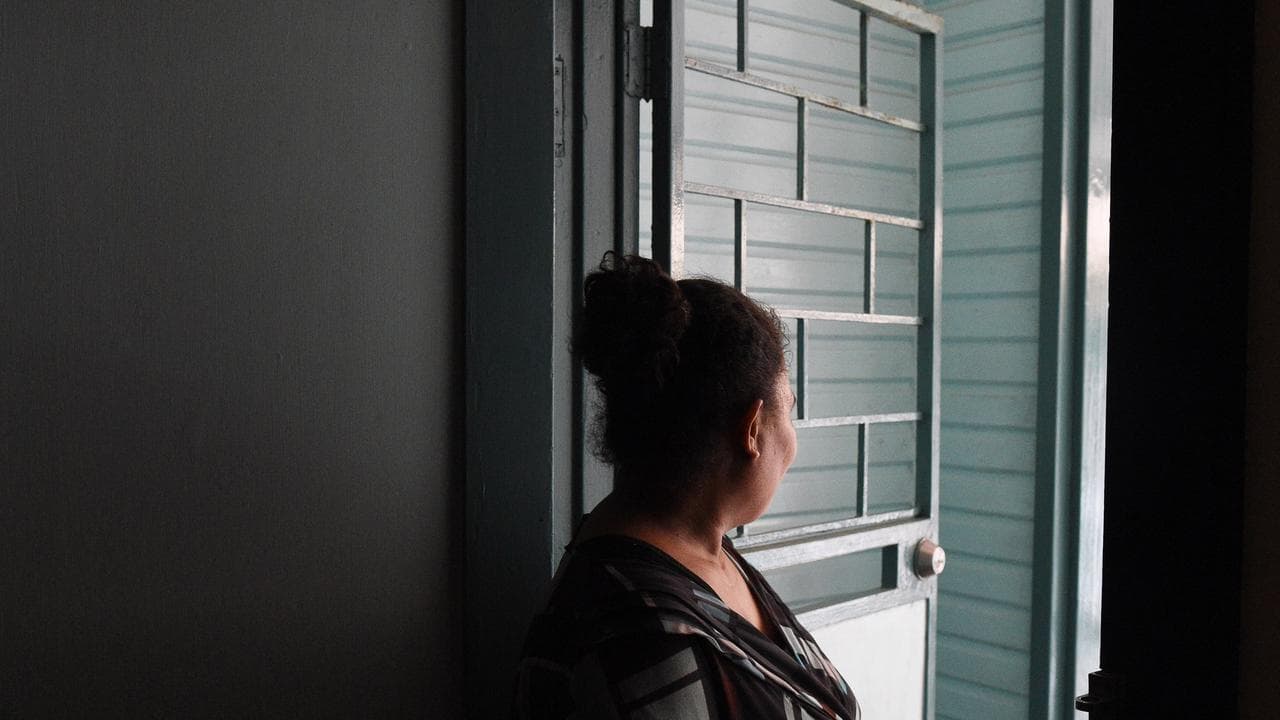
Providing a safe bed for a woman escaping violence may be the only chance to save her life, yet most are turned away because there isn't enough space.
Two-in-three women seeking a crisis bed were sent away from Women's Community Shelters (WCS) in 2025 as they recorded a 63 per cent rise in women using their services who were at serious risk of domestic homicide.
"Last year we supported 85 women who were at high risk of domestic homicide," chief executive Annabelle Daniel told AAP.
"If we had not been able to provide support to those 85 women and their kids, they could be dead.
"One of the challenges for us is to be able to create enough safe beds."
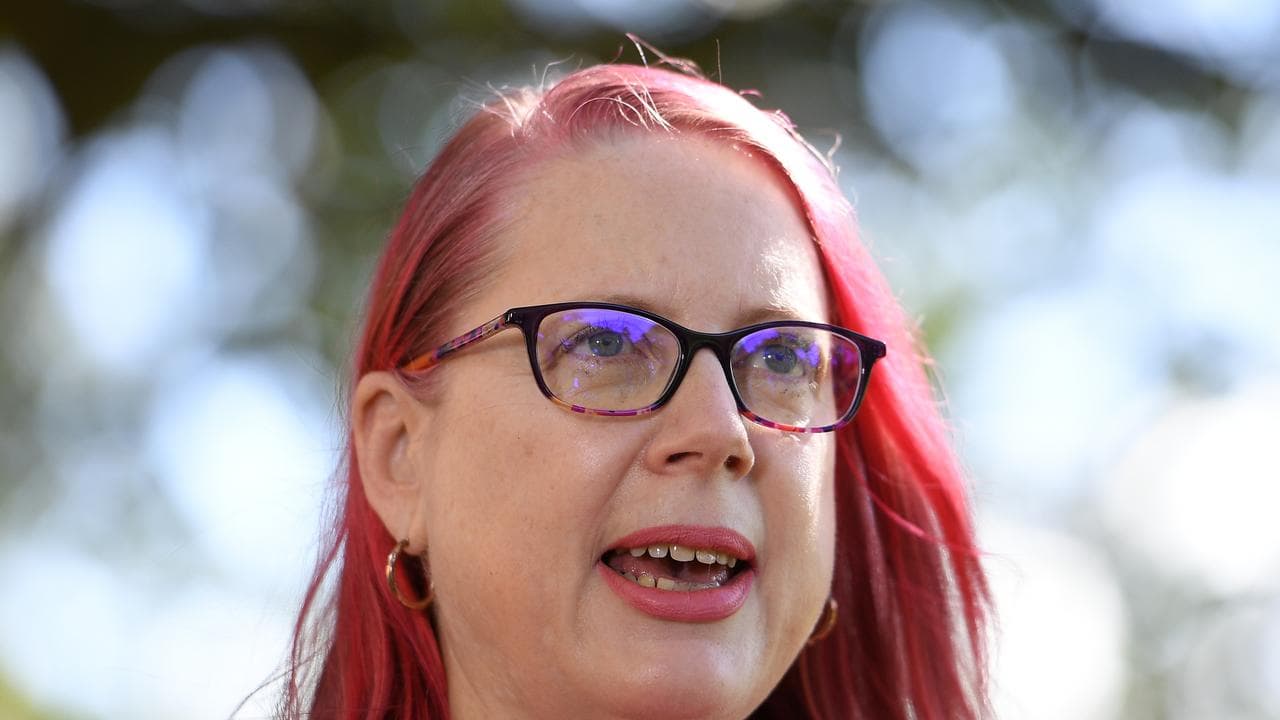
Ms Daniel was speaking after One Nation Leader Pauline Hanson made headlines for saying women should "just leave" abusive partners.
"It's not so easy as to just leave," she said.
"We are in the middle of a housing crisis in Australia - even the rental market is highly competitive - so it's not simply a matter of being able to walk out the door and find a home immediately."
Migrant women on visas who don't speak English were the most likely to return to an unsafe home, WCS shelter manager Jodie told AAP.
"These are the women that we are seeing return to their partners because of that difficulty in navigating the system ... there are very limited services that can assist these women," she said.
Accommodation services that can take women on precarious visas are often at-capacity and "the funding's just not there to support these women", Jodie said.
Many high-risk women came to her Sydney shelter from interstate "with limited family support".
"They've moved away from everything that they know and everyone that they know to escape."
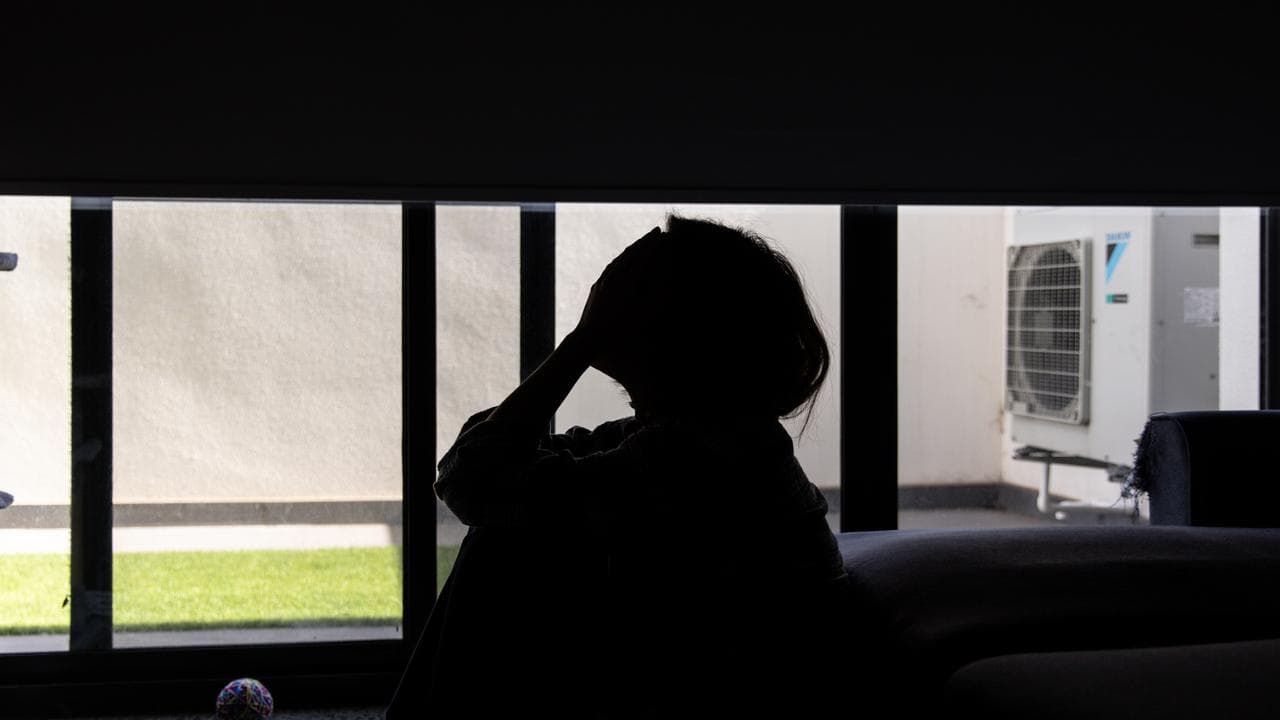
After staying at the shelter's acute accommodation for a week, vulnerable women face social housing wait lists, a fight to find transitional accommodation, or returning to a violent home.
"All these services that can assist these women are at capacity," Jodie said.
Ms Daniel said significant investment from all levels of government was needed to provide longer-term housing options.
"We try to pull off minor miracles every single day," she said.
"It's a real challenge because the network does operate at or near capacity at all times.
"We need a long-term pipeline of safe and affordable housing."
When WCS provided support through its shelter network, 73 per cent of clients went straight into secure housing of their own.
"When you provide housing and professional support, and wrap community inclusion around women and children, then the recovery pathway is there and that is how we support ending domestic and family violence," she said.
1800 RESPECT (1800 737 732)
Lifeline 13 11 14
Men's Referral Service 1300 766 491


