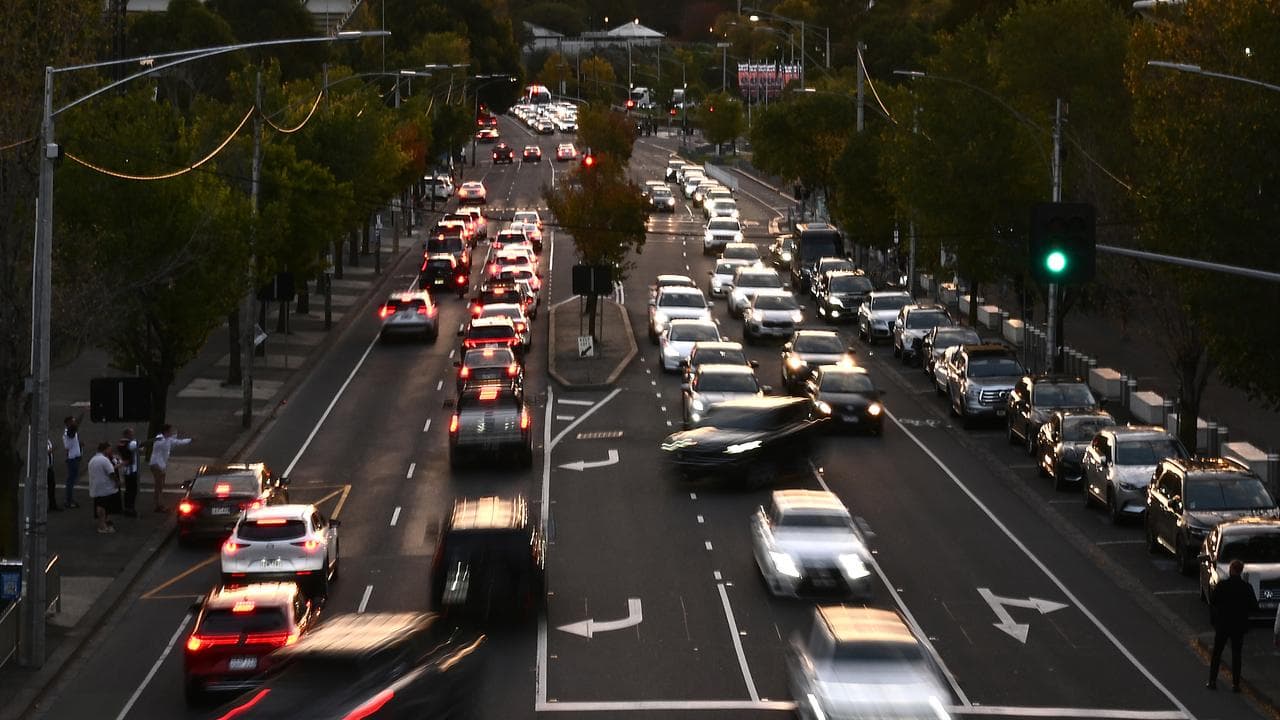
Motorists in major cities will likely be the first hit with higher petrol prices and food costs, adding a sting to household budgets, as fuel taxes return to normal.
Fuel excises were reduced by 32c a litre from the start of April in response to soaring oil prices triggered by the conflict in Iran.
The excise discount was wound back to 16c from the start of July, before ending on Monday.
The cost is added to the wholesale price of fuel, meaning motorists should not pay more per litre until service stations need to buy new stock.
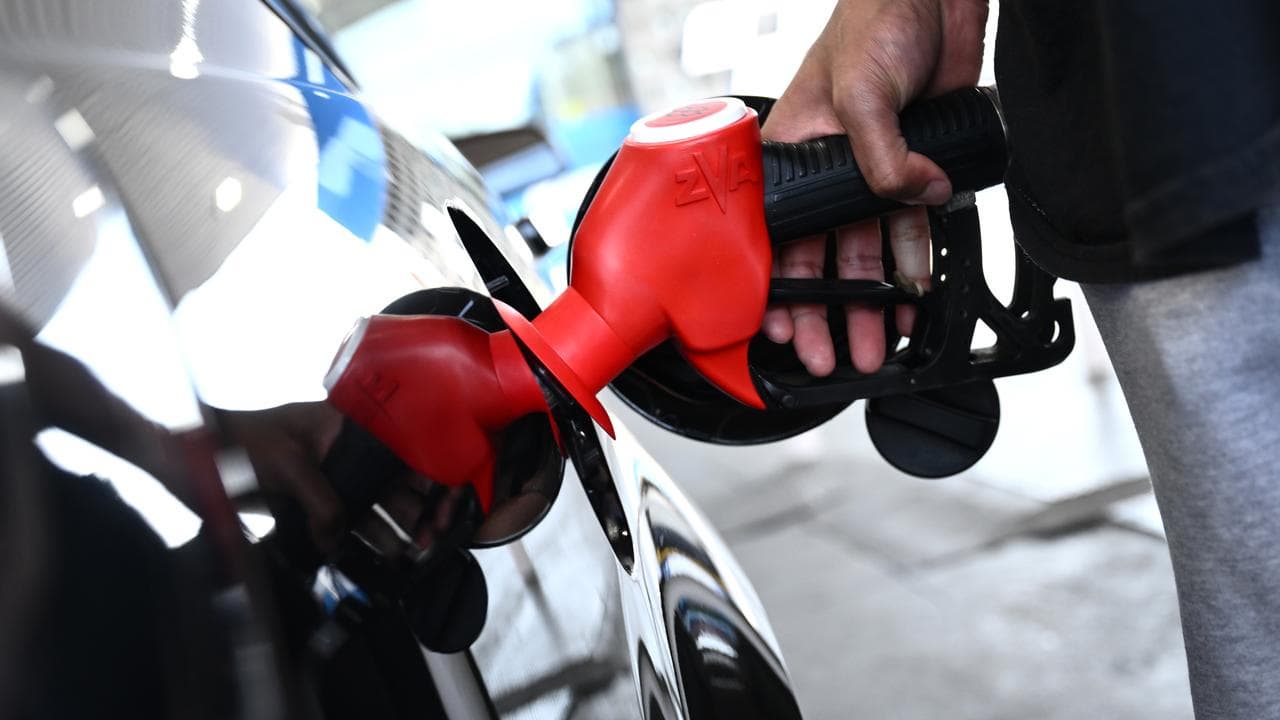
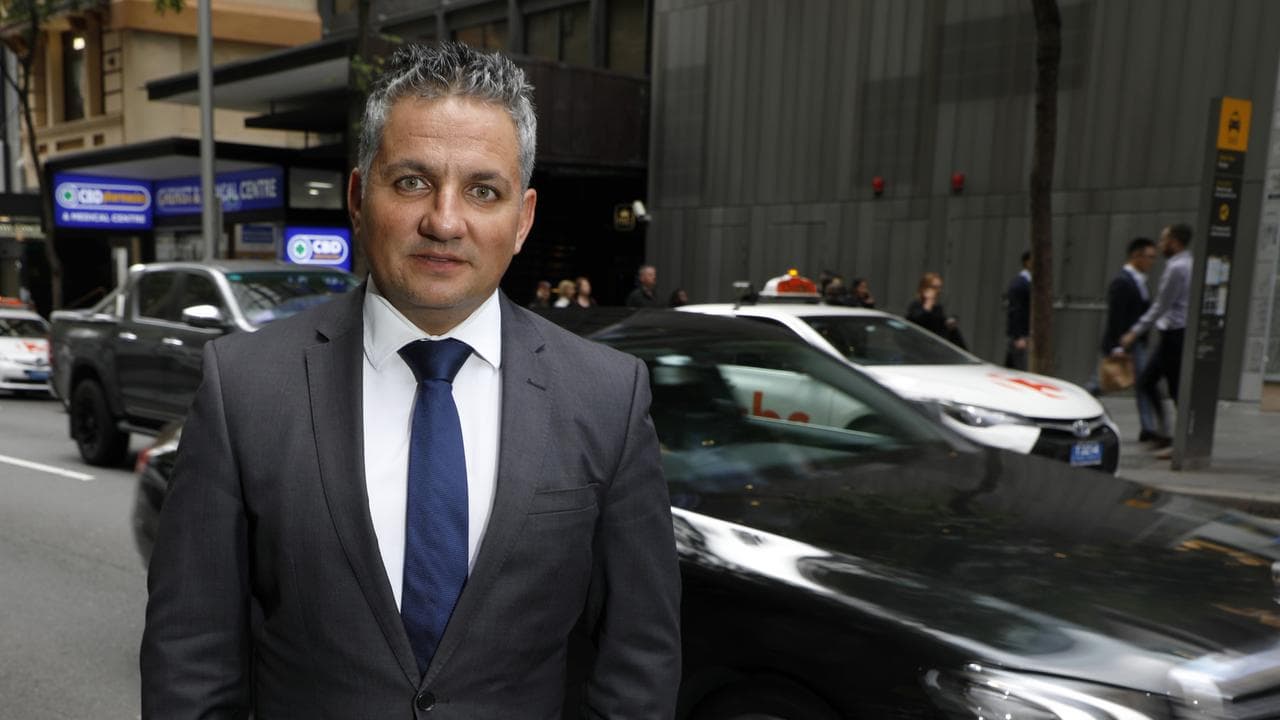
Capital cities, which tended to empty stocks faster than regional areas, would be the first places hit, NRMA spokesperson Peter Khoury said.
He urged Australians not to panic buy, because it would take some time for costs to trickle down to bowsers.
People should also consider what kind of fuel they buy. In most places, E10 was the most economical options, saving up to $17 per tank.
''What we saw at the start of the conflict with people (panic) buying fuel was rare and unnecessary," Mr Khoury told AAP.
He said he was heartened by a slight decrease in oil prices over the previous week, which were likely to continue trending downwards, offering a reprieve.
Treasurer Jim Chalmers has written to the Australian Competition and Consumer Commission asking for increased scrutiny of fuel prices to ensure they weren't being artificially inflated.
"The ACCC has the powers that they need to fine ... servos and suppliers up to $100 million per offence, and so servos and suppliers are on notice," he told ABC's Radio National on Monday.
"The regulator will be watching them like a hawk, and they can't use the return to normal settings with the excise as cover for treating motorists as mugs."
Mr Khoury said it was the job of the regulator to independently track fuel prices and impost penalties.
"They can't just rely on the NRMA to do so," he said.
Petrol prices have already risen by an average of more than 40c a litre since the end of June, while diesel has soared by more than 60c a litre in most capital cities over the same period.
It follows the fragile ceasefire between Iran and the United States breaking down as conflict between the two nations has flared again.
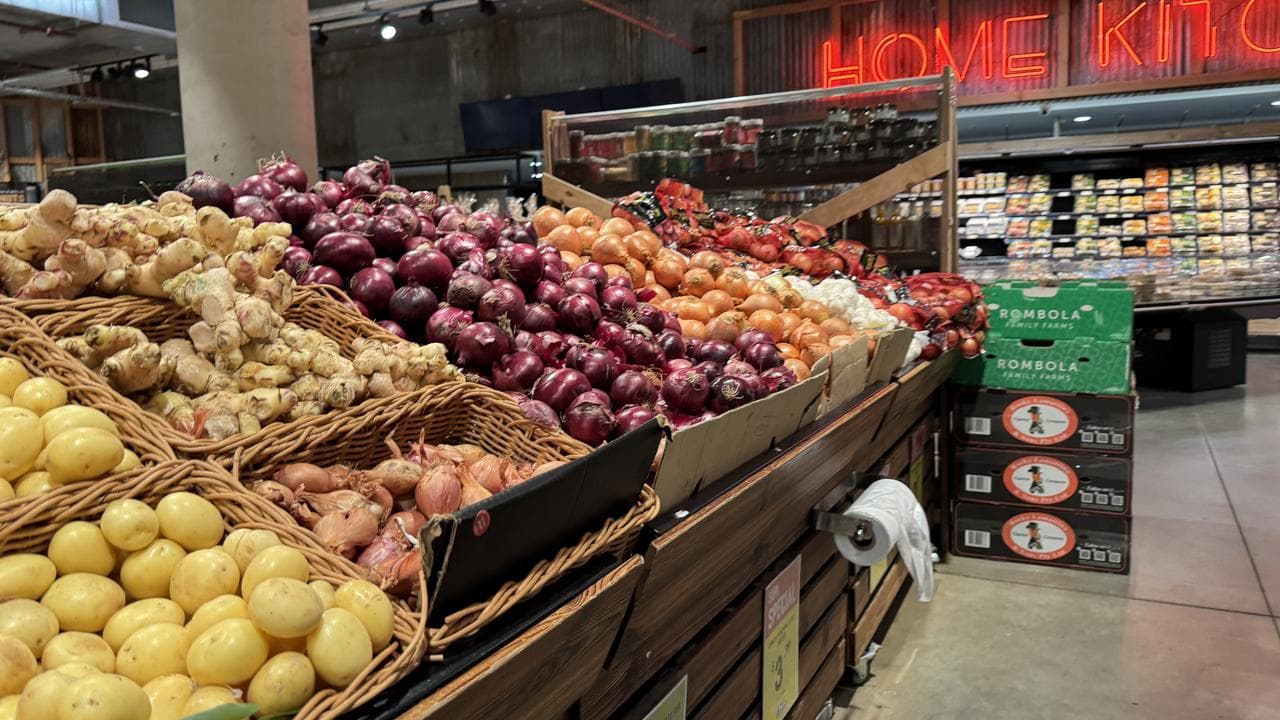
The excise, along with a return to regular road user charges for heavy vehicles, is expected to have flow-on effects for the food and agricultural sectors.
Australian Livestock and Rural Transporters Associations' chief executive Ben Maguire said his members were concerned rising full costs would put serious strain on agricultural prices.
Some were worried about losing work altogether if consumers were unable to afford price hikes, he said.
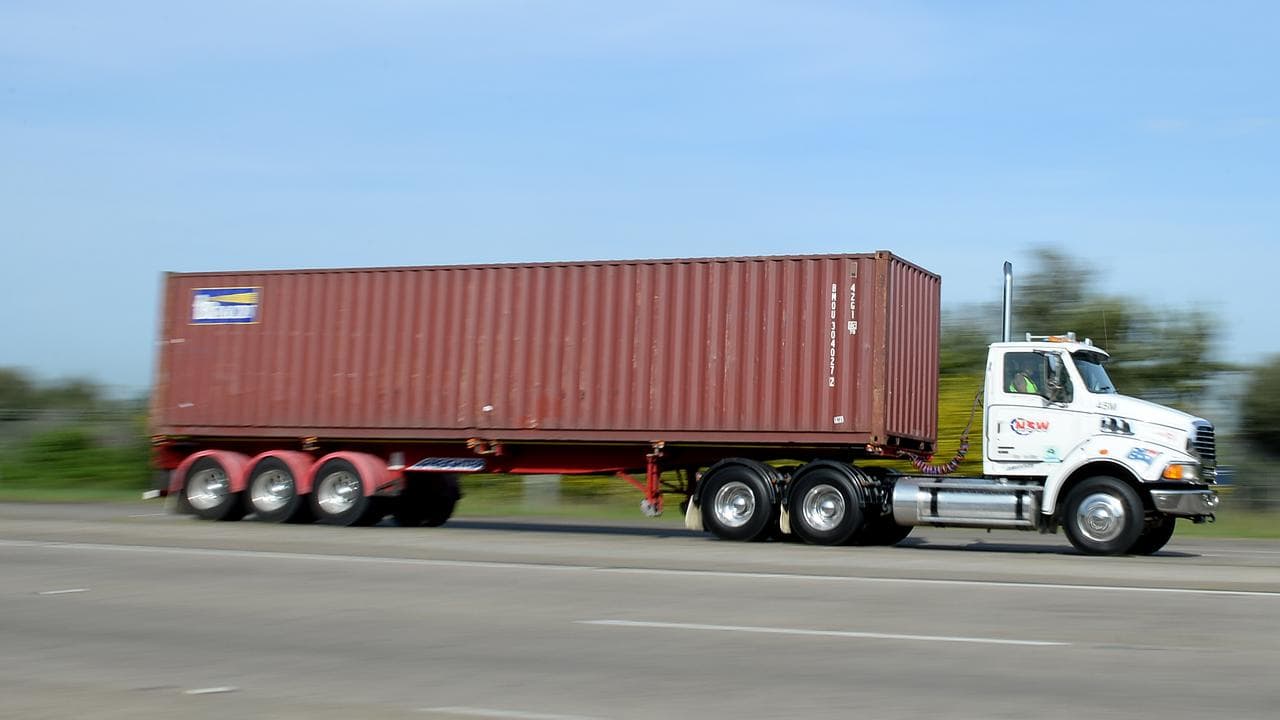
"The transport industry is already under stress,'' he said.
"They are resilient people, but we shouldn't be living - in a nation like Australia - where a whole sector doesn't know where the next dollar is coming from."
Some truck drivers had reported downing tools in anticipation of diesel costs rising because their customers could not afford to pay higher prices.
Herbicides, fertiliser and diesel needed to be moved onto farms at affordable rates to prepare for the coming season, or agricultural production would not be able to continue at its normal rate, Mr Maguire said.


