Australia’s peak motor neurone disease advocacy body has welcomed a state's move to make the disorder a notifiable condition, calling for an expansion of the nation-first initiative.
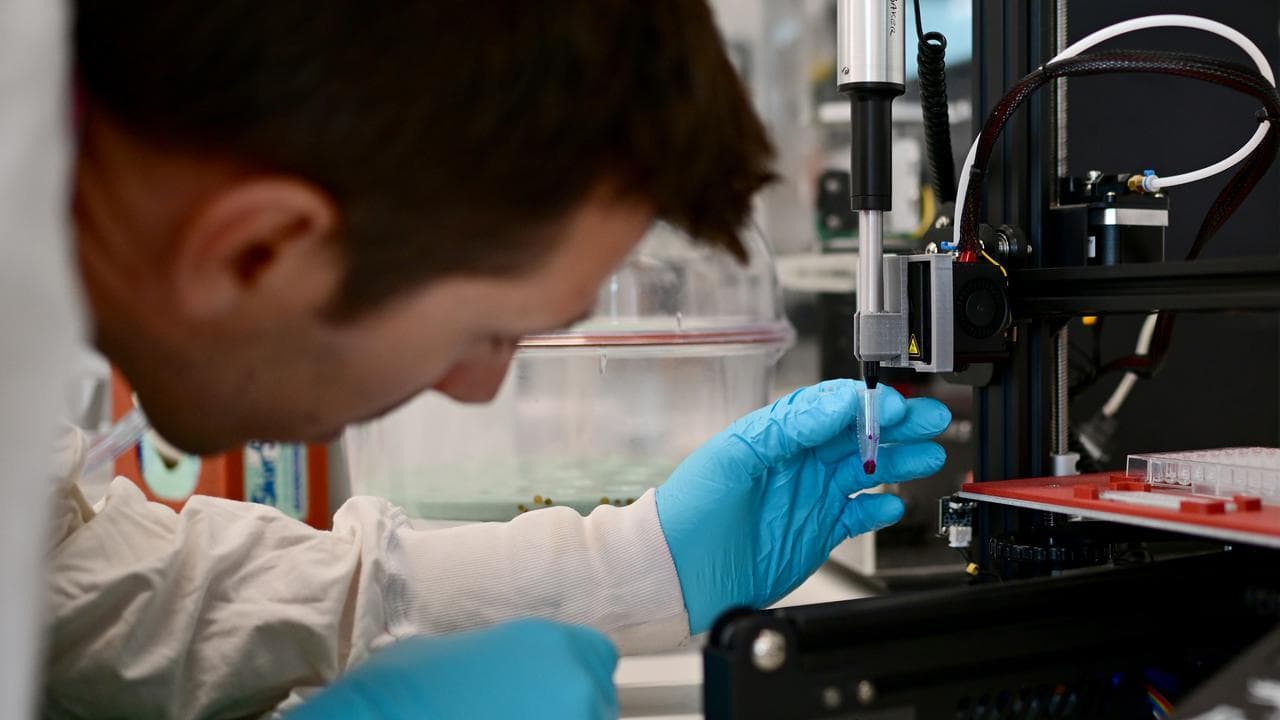
The law change in NSW will enforce the collection and reporting of key data from those with the disease to assist researchers working on MND preventions, treatments and cures.
Cases of the debilitating disease, which affects eight in every 100,000 Australians, will be fed into a central system from Tuesday.
The move marked a significant step in understanding the disease, MND Australia chief executive Clare Sullivan said.
“Better data means better planning, better care and more informed research,” she told AAP.
But Ms Sullivan called on other states and territories to commit to the initiative.
“While this is good progress, people living with MND across Australia deserve the same commitment, that's why we're working on developing a comprehensive national data approach,” she said.
“MND doesn’t stop at state borders and neither should our understanding of it."
State health ministers are expected to discuss the development on Friday.
Federal Health Minister Mark Butler, who will attend the meeting, said a nationally consistent system was the Commonwealth's preference.

A notifiable disease is a medical condition that by law must be reported to NSW Health by medical practitioners, hospitals, laboratories and schools or childcare facilities, to help prevent and control the spread.
Data, including age, gender, country of birth, and occupations, will be collected and kept confidential. It will also include details about the referring doctor.
Discrepancies in the appearance of MND meant it was crucial to study cases at a “granular” level, Macquarie University expert Dominic Rowe said.
More data would help researchers to isolate any environmental factors behind case clusters, Professor Rowe said.
NSW Health Minister Ryan Park conceded it was a “bit unusual” to include a disease such as MND as a notifiable illness.
“We don't have enough answers to this piece of the question,” he said.
“And the question is: how we can cure and better treat people and give them a longer life and a better quality of life for those suffering from MND? We need to do better.”
MND is a rare, progressive neurological disorder that causes rapid degeneration of muscle activity and can impair walking, talking, breathing and general functioning.
About 90 per cent of cases occur sporadically, without apparent reasons or hereditary links. There is no cure.
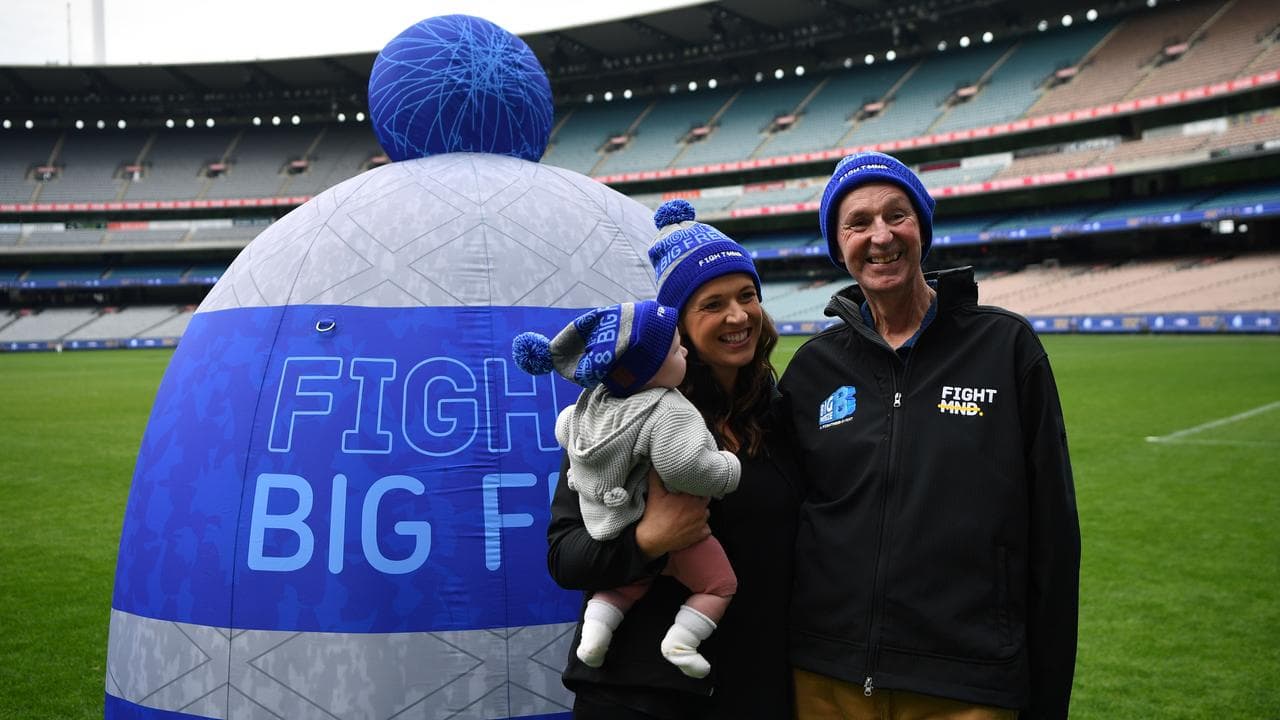
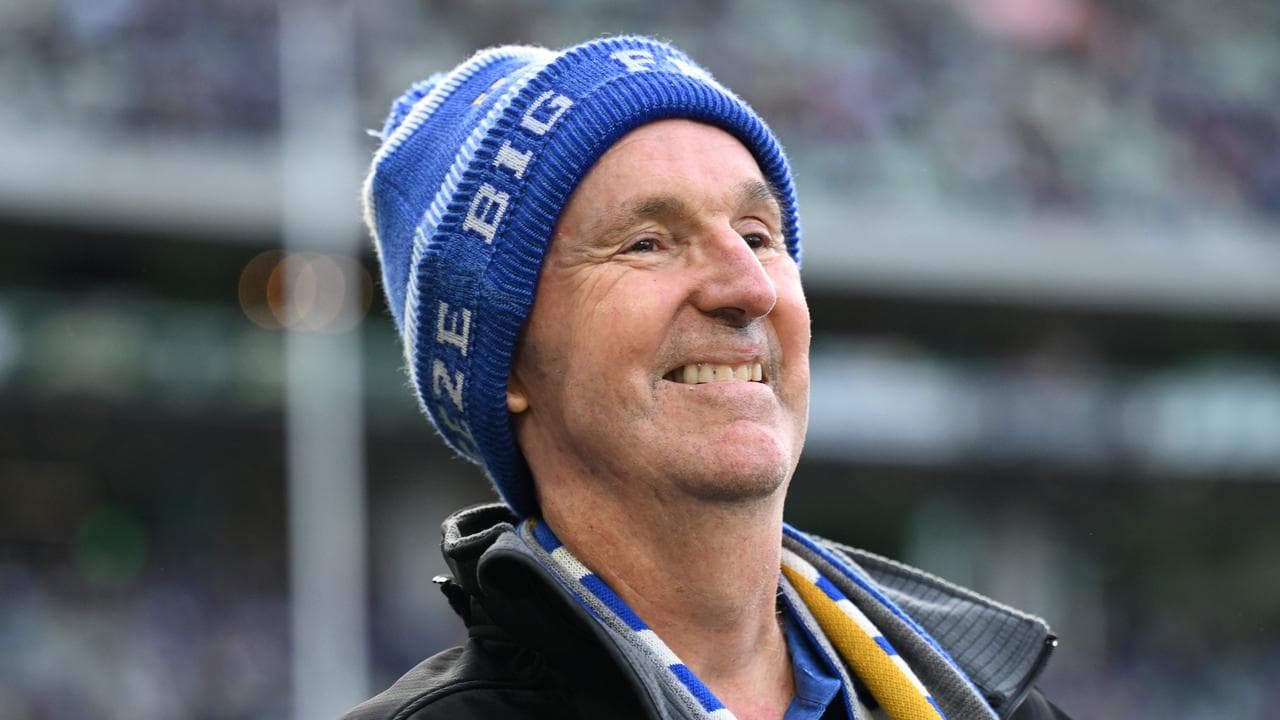
Awareness of the crippling disease has grown in Australia because of the late AFL legend Neale Daniher's trailblazing FightMND foundation and the tragic recent diagnosis of 30-year-old NRL star Jai Arrow.
Their devastating battles have united the public and sporting codes, driving unprecedented awareness and research funding to fight the disease.


