Israel has fired air strikes across the Gaza Strip, killing at least 11 Palestinians, local officials say, in what the military calls a response to ceasefire violations by the Palestinian militant group Hamas.
Gaza medics said an Israeli air strike on a tent encampment housing displaced families killed at least four people, while health officials said another strike killed five in Khan Younis in the south and another person was shot dead in the north.
Air strikes also targeted what was thought to be a commander of the Islamic Jihad group, an ally of Hamas, in the Tel Al-Hawa neighbourhood in Gaza City.
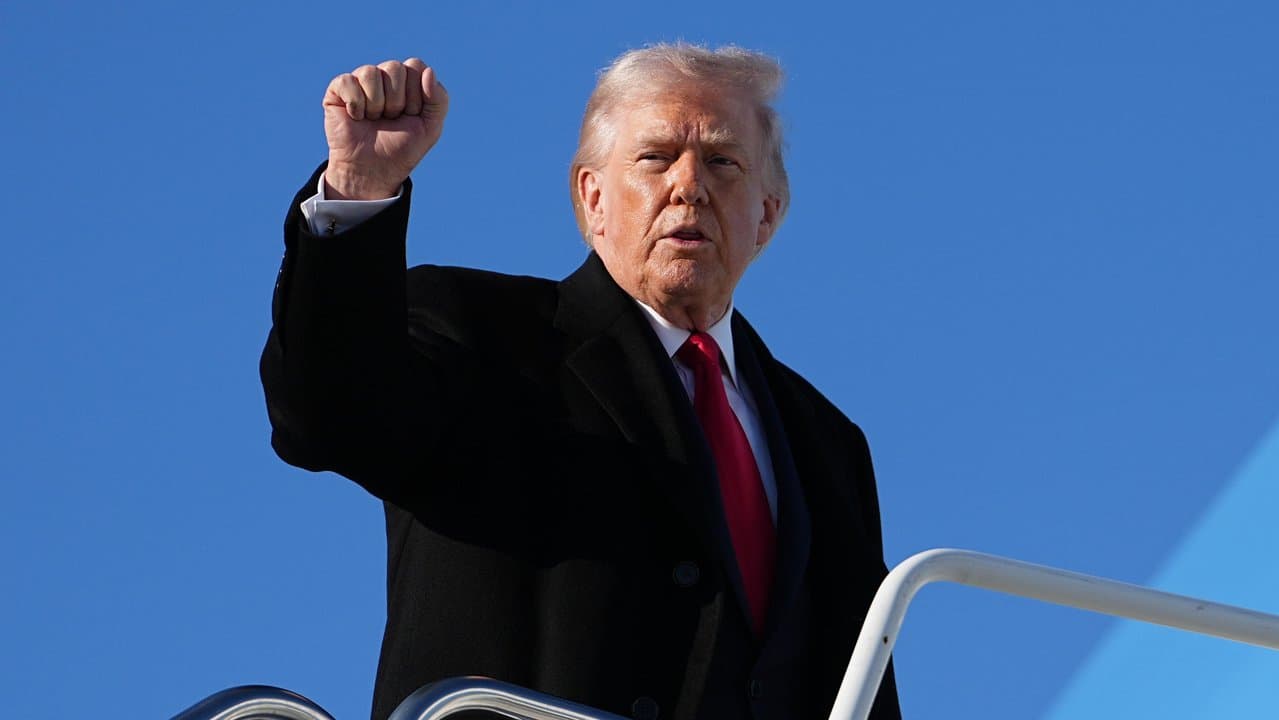
Hazem Qassem, Hamas spokesman in Gaza, accused Israel of committing a new "massacre" against displaced Palestinians, calling it a serious breach of the ceasefire days before the first meeting of US President Donald Trump's Board of Peace.
An Israeli military official called Sunday's strikes "precise" and in line with international law, and said the Palestinian militant group had repeatedly violated an October ceasefire.
Israel and Hamas have repeatedly traded blame for violations of the ceasefire deal, a key element of Trump's plan to end the Gaza war, the deadliest and most destructive in the generations-old Israeli-Palestinian conflict.
The war started with the October 7, 2023, Hamas attack on southern Israel that killed more than 1200 people, according to Israeli tallies.
Israel's air and ground war in Gaza has killed more than 72,000 people since then, according to Palestinian health ministry data.
"In recent hours, the IDF (Israeli military) has begun striking in response to Hamas's blatant violation of the ceasefire agreement yesterday in the Beit Hanoun area," an Israeli military official said.
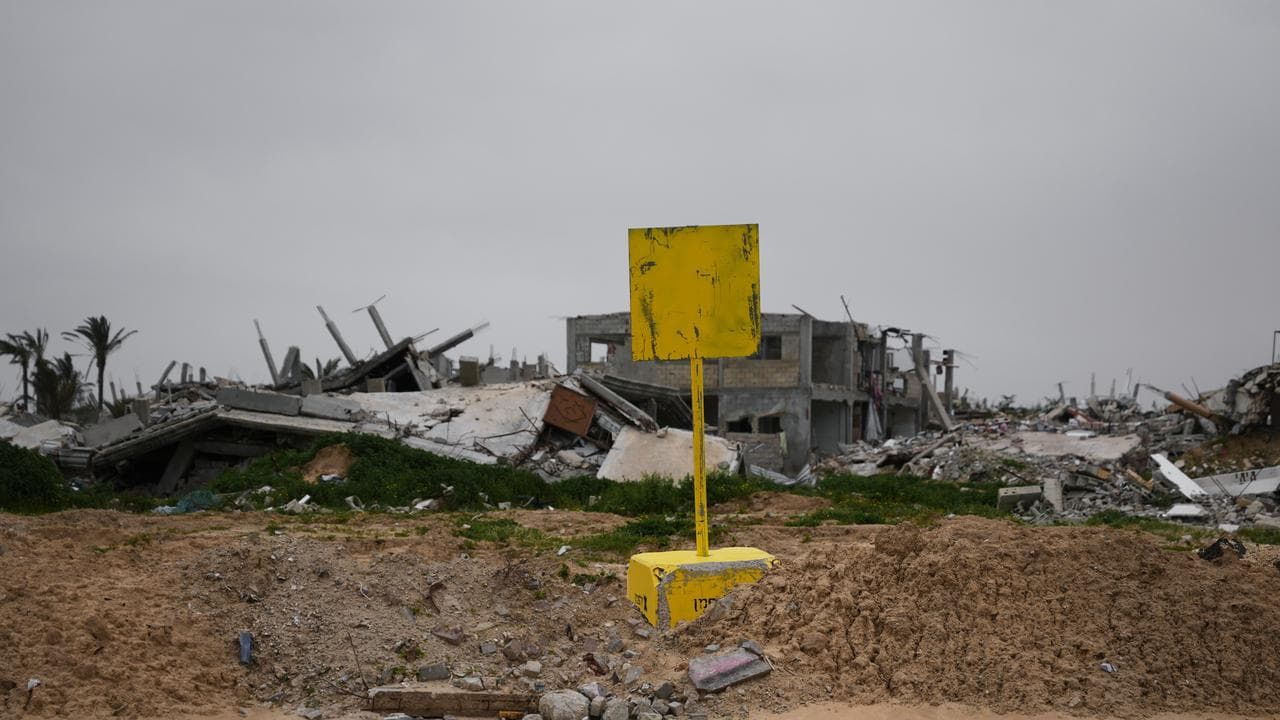
The official said militants had emerged from a tunnel on the Israeli side of the "Yellow Line" agreed under the ceasefire to demarcate Israeli- and Hamas-controlled areas.
"Crossing the Yellow Line in the vicinity of IDF troops, while armed, is an explicit ceasefire violation - and demonstrates how Hamas systematically violates the ceasefire agreement with intent to harm IDF troops," the official said.
Israel has unilaterally moved the yellow line deeper into Gaza, even though Israeli withdrawals are part of the ceasefire deal, and Hamas has so far rejected demands to lay down its weapons, also envisaged in the plan.
Israel has said it will have to force Hamas to disarm if it does not do so.
Qassem urged those attending the first meeting of Trump's new Board of Peace for Gaza on Thursday to pressure Israel to stop violating the truce and implement the agreement without delay.
US officials told Reuters last week Trump would announce a multi-billion-dollar reconstruction plan for Gaza and detail plans for a UN-authorised stabilisation force for the Palestinian enclave at the meeting in Washington.
The Israeli military said it continued to destroy underground tunnels in the northern Gaza Strip in accordance with the agreement and that its aircraft had attacked a building east of the Yellow line after seeing militants emerging from a tunnel and killed at least two of them.
Gaza officials had no information on those reported casualties.
The Gaza health ministry says at least 600 Palestinians have been killed by Israeli fire since the Gaza deal began.
Israel says four soldiers have been killed by militants in Gaza during the same period.


