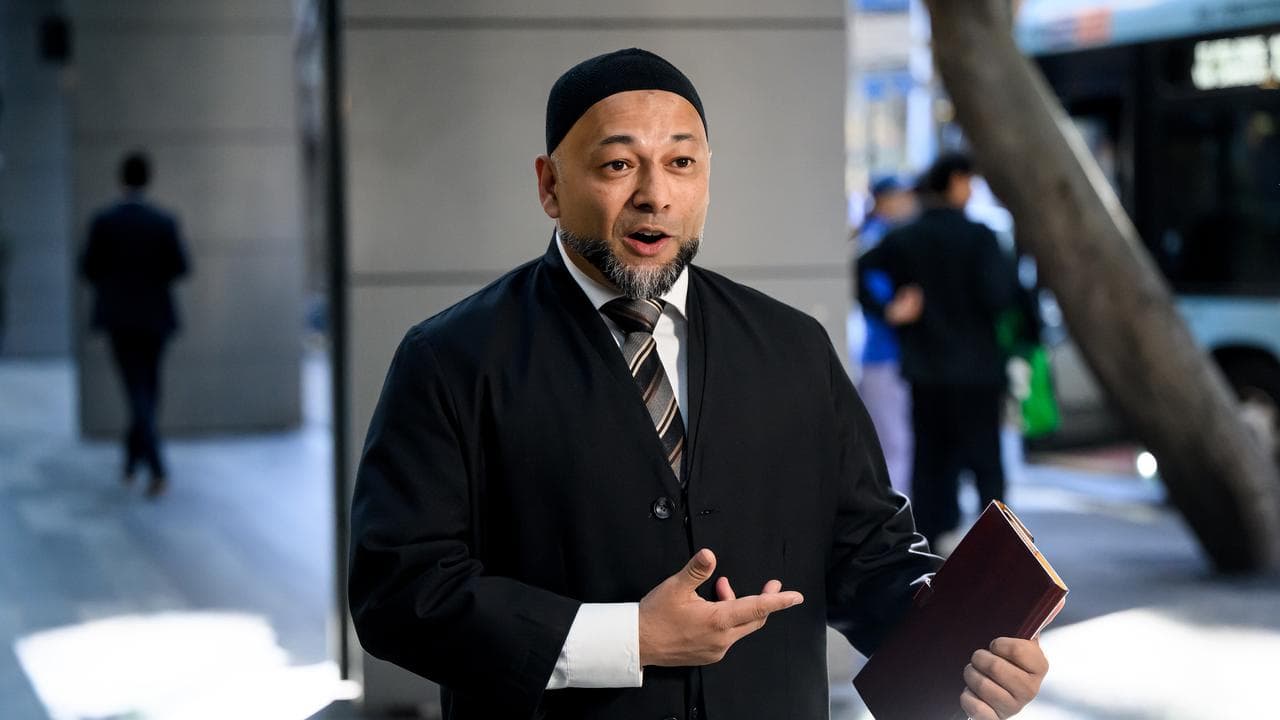
A jihadist-turned-counter-terrorism agent is warning against letting radical ideologies fester and leaving hate preachers out in the open.
Mubin Shaikh disputed suggestions of some expert testimony heard at a royal commission probing social cohesion this week.
An expert in radical Islamism warned crackdowns would simply make extremist ideologues harder to catch.
The Canadian-born former jihadi on Thursday told AAP he disagreed.
“We do live in a free society, you’re allowed (to be) awful but lawful,” he said.
“But really, whatever you can do to get rid of these people is what you should be doing.”
Authorities should apply tough vetting procedures to hate preachers and reduce their platforms to keep them from dividing society, Mr Shaikh said.
“If there are laws you can bring to bear, you should … if you don’t have those laws, start making those laws,” he said.
He also weighed in on evidence revealing Australia’s countering-violent extremism programs focused on disengagement over deradicalisation.
Anti-terror bosses said approaches aimed to prevent violence without necessarily addressing motivating beliefs.
Mr Shaikh, under questioning from Nicholas Bender on behalf of several Jewish organisations, said deradicalising an individual's beliefs was "very, very" important, potentially “foundational”.
“If you think to the basic concept of psychology … thoughts precede actions, and beliefs are part of thoughts,” he said.
“You need to change the belief that underpins the intention towards that action ... the NGO model works particularly well — because we can do that."
NSW’s Communities and Justice Department director Heather Jackson this week said: "People in a democratic country can hold a belief. The second act — the violence — is the particular issue".
Changing someone's beliefs was not a "measure of success" for countering-violent extremism programs, national counter-terrorism co-ordinator Brendan Dowling said.
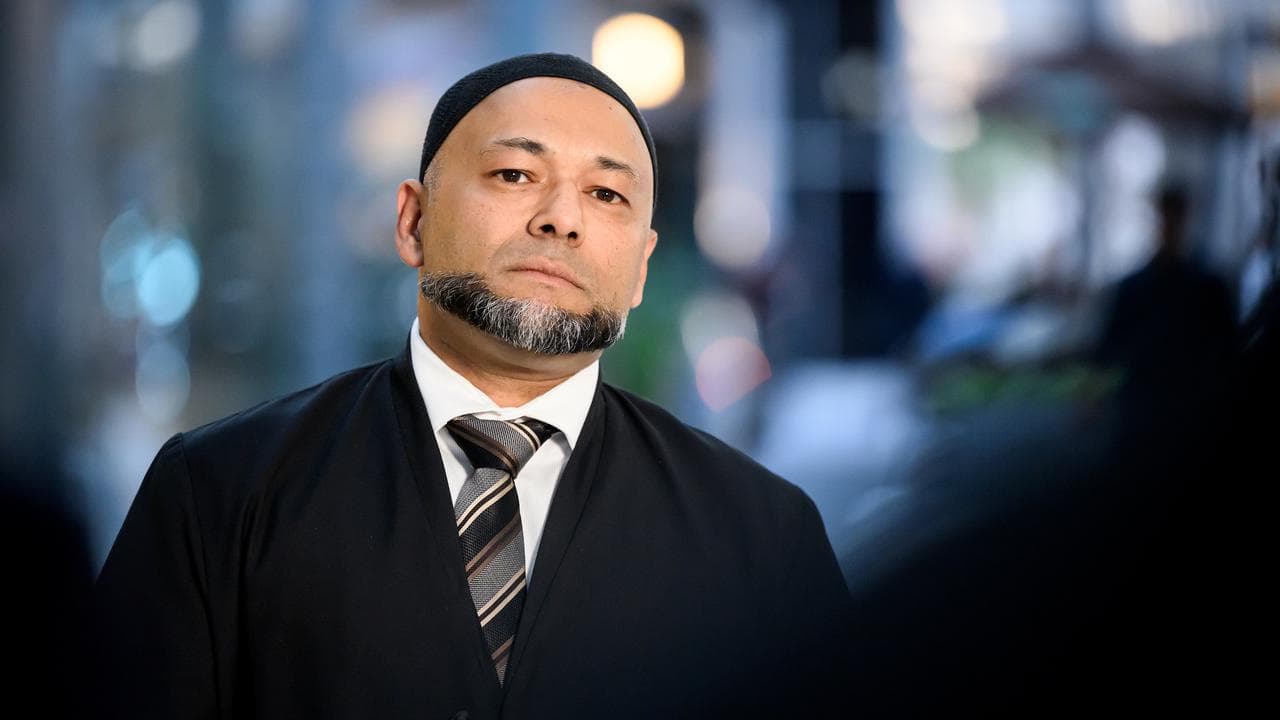
Mr Shaikh on Thursday also told the anti-Semitism commission about his own paths to, and from, radicalisation.
An out-of-control high-school party led to a stern reproach from a heavily-religious uncle and provided a “cognitive opening” to new views.
A chance meeting with the Taliban on a visit to India and Pakistan further introduced a harder-line Salafi Islamic perspective.
Mr Shaikh said the organised, albeit ill-informed ideology hardened him for nearly a decade of extreme beliefs.
“Ideology without grievances doesn't resonate, and grievances without ideology are not acted upon,” he told the commission.
Marriage, family responsibilities, witnessing the September 11 attacks in 2001 and a more formal Islamic education then helped him de-radicalise.
Mr Shaikh has worked with Canadian and United States intelligence agencies and since 2016 is an interventionist with Parents for Peace.
Earlier on Thursday, a senior bureaucrat said the state had to deprive extremists of “what they want”, in addition to countering-violent extremism programs.
“The aim of extremism is to divide us as a society,” Multicultural NSW’s acting director Malcolm Haddon said.
“If the threat is to us as a society, then we collectively need to stand united against that threat … if we succumb to fear, if we succumb to hate, if we succumb to division, that is not a resilient society.”
Multicultural principles and democratic freedoms in the state are a key focus for a suite of community grants, initiatives and partnerships, Mr Haddon said.


