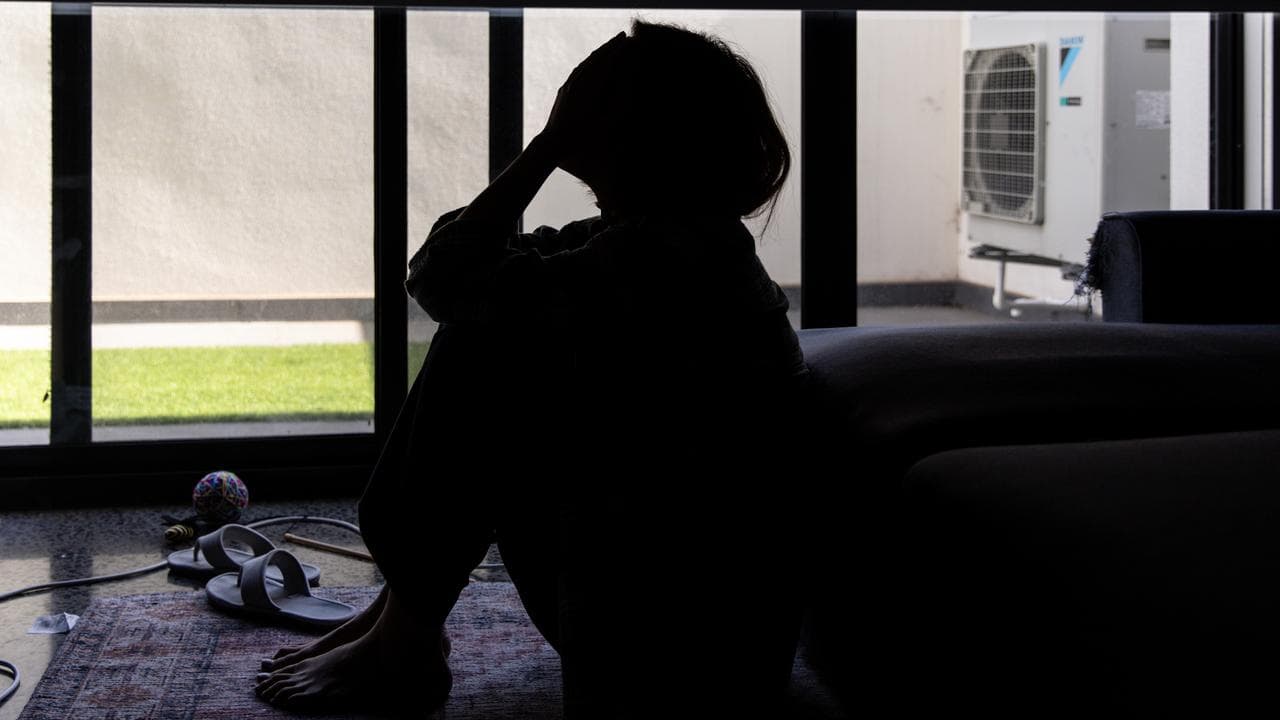
A new mother had been crying for days and then suddenly believed her breast milk was poisoning her baby.
"I just all of a sudden knew that my breast milk was black, and it was poisoning Charlie," Elise Howie told AAP.
She spoke to her husband, midwife and was taken to a local hospital before being transferred to Adelaide's mother-baby inpatient psychiatric unit, which only has six beds and was three hours' drive from her home.
Ms Howie was treated for postpartum psychosis with electro-convulsive therapy (ECT), which she said induced a brief seizure and reset her brain, but caused memory loss.
Before being discharged, she asked about the chances of psychosis with a second baby and was told "it's 50-50".
She worked on her mental health with professionals for a few years before becoming pregnant a second time, and experienced an amazing birth.
But then, five or six days later, she looked at her daughter and believed "she wasn't real and she wasn't my baby".
"This time was much worse than it was after Charlie," she said.
She spent six months in hospital undergoing ECT, and continued as an outpatient, but her cognitive side effects worsened and she couldn't remember her date of birth, address, or she had children.
Ms Howie was re-admitted to hospital and said she couldn't do anymore ECT, and was feeling suicidal.
She was given mood-stabilising medication lithium, which dramatically improved her symptoms, and wanted to share her story because "if one person reads it and recognises themselves" it could help.
An estimated 300 to 600 Australian women experience the condition each year, with symptoms including hallucinations, delusions, mania, depression, paranoia, or severe sleep disturbance.
In the first Australian study of its kind, Flinders University researchers interviewed 15 women with postpartum psychosis and found they contacted health services an average of seven times before getting the care they needed.
Many felt their concerns were dismissed, misunderstood or attributed to more post-birth experiences such as exhaustion, sleep deprivation, anxiety, or the "baby blues".
Ariane Beeston, director of clinical content at Centre of Perinatal Excellence, said health professionals were better at recognising anxiety and depression in mothers, but there remained a lack of awareness on postpartum psychosis.
"Women are crying out for help and not being accurately diagnosed," she said.
"When I look back at my own experience, it wasn't until my baby was closer to nine or 10 months that I was diagnosed with postpartum psychosis."
Women told the study they recognised something was seriously wrong and actively sought help, but experienced lengthy delays before receiving an accurate diagnosis.
Study author Donna McMahon said the condition was treatable but early detection was critical.
"When women tell us something is not right, particularly in the days and weeks after birth, we need to listen carefully and investigate thoroughly. Their own insight may be one of the earliest warning signs," she said.
PANDA (Perinatal Anxiety & Depression Australia): 1300 726 306
Lifeline 13 11 14
beyondblue 1300 22 4636


