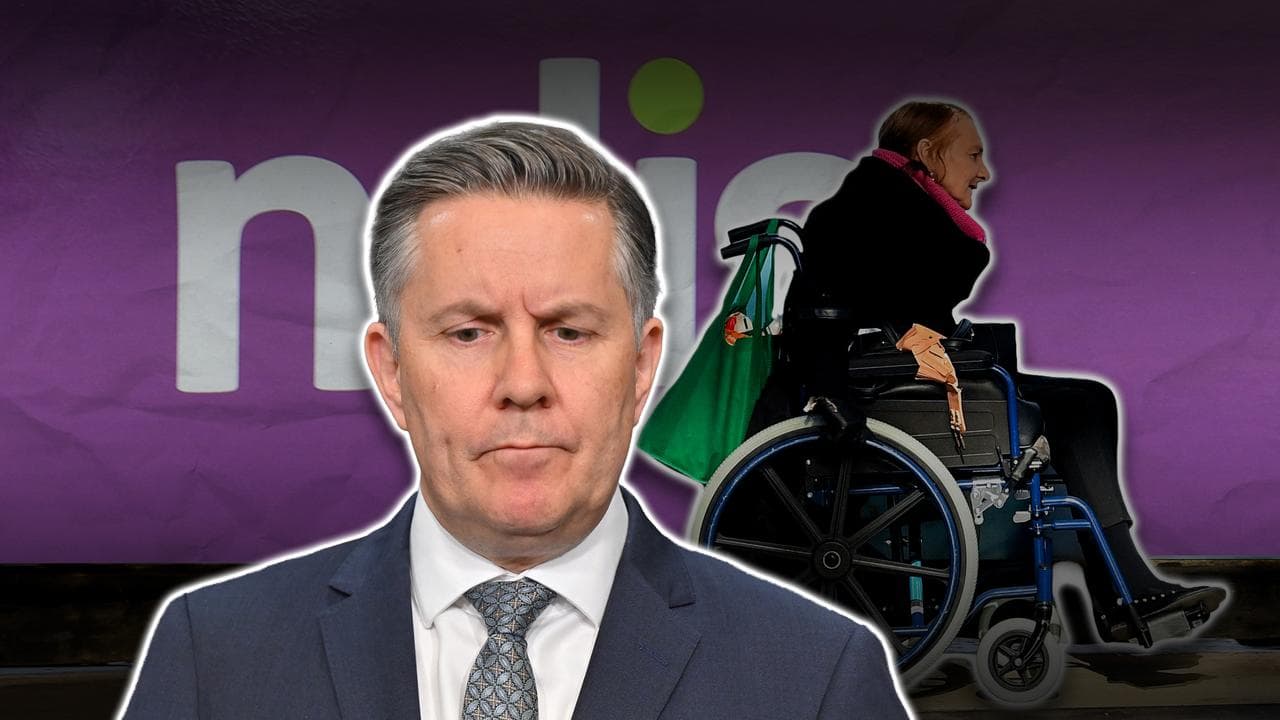
People relying on the NDIS will be left without access to crucial services or end up in places unable to meet their needs under a planned overhaul, state and territory disability ministers warn.
In a damning submission made on the final day of a parliamentary inquiry reviewing the National Disability Insurance Scheme reforms, the ministers took aim at the federal Labor government.
They warn limiting the expanding NDIS costs is important, but not at the expense of people's wellbeing.
"States and territories are not in a position, and have made no agreement, to deliver like-for-like services to people who are exited from the NDIS," they said.
Without broader improvements across the disability support system, there was a significant risk people with disability would end up in hospitals or other inappropriate settings "or have no access to services at all", the ministers said.
They said the changes were too interested on cost savings and put the scheme's original intent at risk.
"The pace of reform - focused heavily on expenditure constraint, without a clearly defined broader ecosystem and with limited consultation - creates a significant risk of fragmented service delivery," the submission said.
"Change needs to occur quickly to restore the scheme to its original intent.
"However, it is critical that we do not let the push for expediency be the driving force behind these reforms."
States and territories warned the changes went beyond recommendations from previous NDIS reviews and shifted away from agreements struck between governments at national cabinet in January.
The Albanese government is trying to reduce the annual cost of the $56 billion scheme and will move to kick 160,000 participants off onto other services provided by the states and territories.
Greens disability spokesman Jordon Steele-John said not one witness who had appeared before the inquiry had argued for the passage of the legislation in its current form.
"In my time here, nearly 10 years, I have never seen a line up of witnesses that have been so clear and direct in saying to the committee that the bill should not proceed," he told reporters.
"The message is very clear. Labor needs to listen to the people. Scrap this bill, go back to the drawing board, start again."
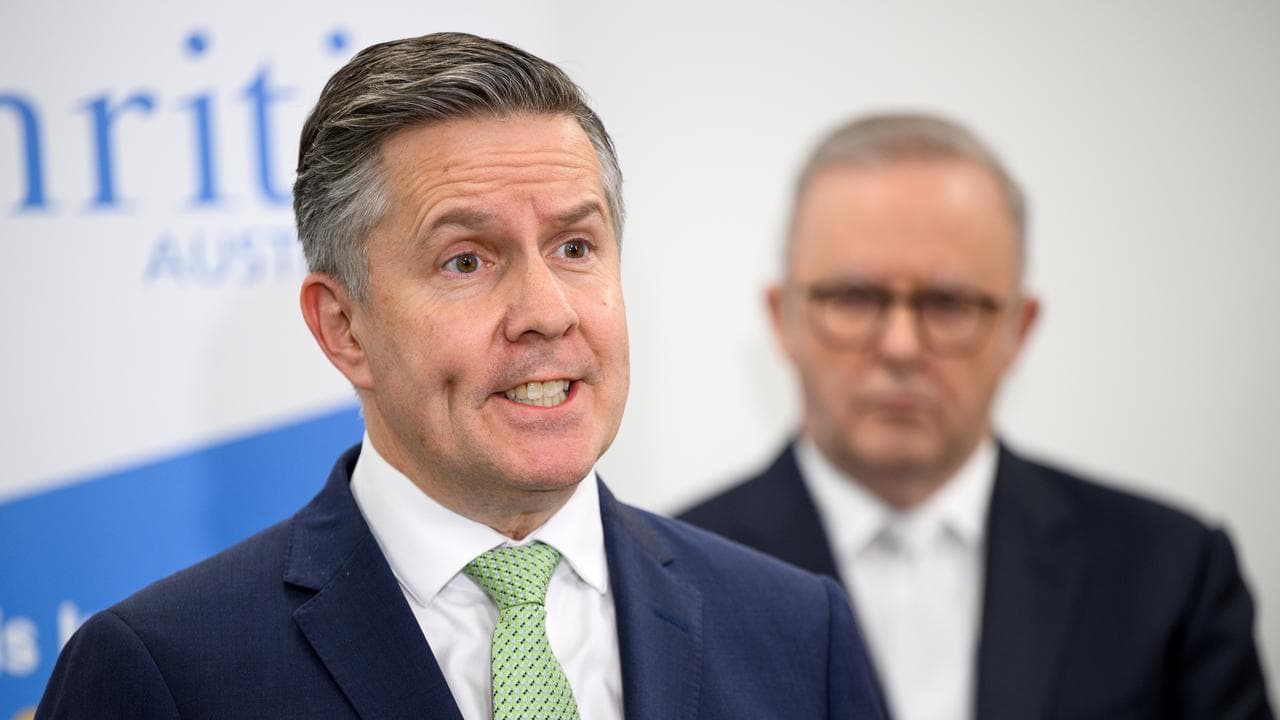
NDIS Minister Mark Butler dismissed calls for an extension to the hearings following concern from disability groups.
He said the changes were on track to pass parliament by the beginning of July.
"We're confident that the timeline that we've set out, the need to get this bill through the parliament as quickly as possible before the winter break, is the right plan," Mr Butler told reporters in Sydney.
"There have been thousands of submissions made. There are a number of days of public hearing, people are being given the opportunity to make submissions about the bill."
Australian Neurodivergent Parents Association board member Loma Naser said the disability scheme couldn't be treated as a "line budget item" and it was economically more effective to keep the NDIS.
"Dismantling the NDIS in its current form will not just kill people who will go on without supports, it will also kill the economy and the Australia that we have all been fighting hard to build," she told the hearing.
Disability provider Aruma chief executive Martin Laverty helped design the NDIS and was an inaugural director of the National Disability Insurance Agency.
The provider said it broadly supported the changes but the reassessment was unnecessary, particularly for those with lifelong disability, children in out-of-home care and people receiving supported independent living.
"For (people with a lifelong disability living in the community), a full functional capacity reassessment is clinically unnecessary and potentially harmful," its submission reads.


