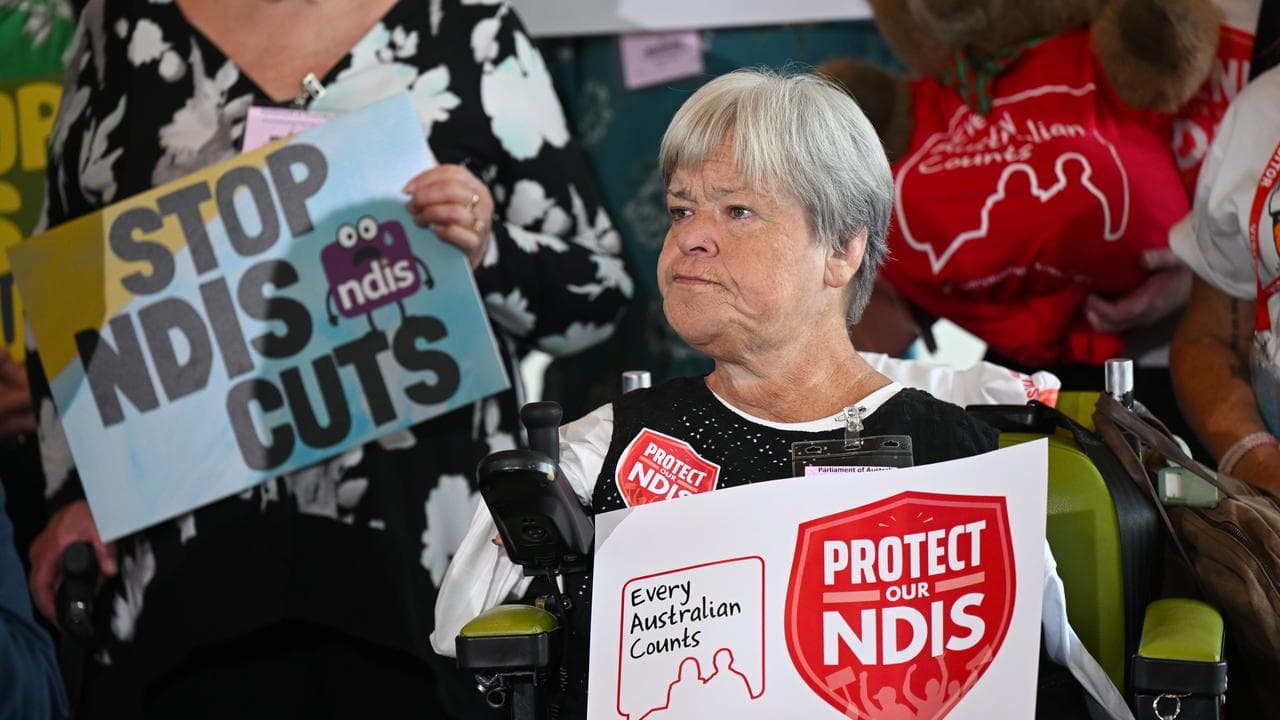
A controversial overhaul of the National Disability Insurance Scheme appears to be on rocky ground after a snap three-day inquiry, during which almost all witnesses criticised the proposed changes.
Government officials have revealed a total of 350,000 people will either be kicked off the scheme or diverted to other programs by 2031, prompting accusations from the opposition the plan is a "cost-shifting" exercise.
The federal government hopes to legislate the reforms with the support of the Liberals and Nationals before parliament rises for the winter break on July 2.
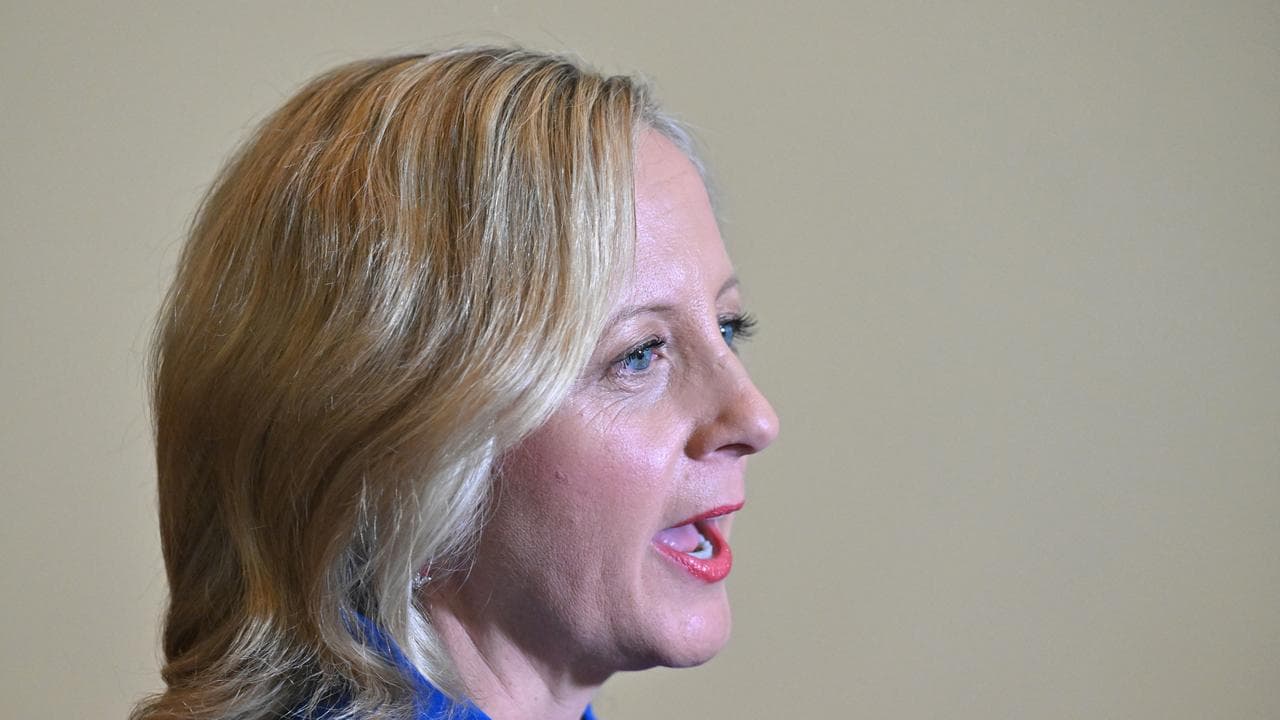
While opposition NDIS spokeswoman Melissa McIntosh has agreed change is needed, she said advocates, states and territories had raised genuine fears about Labor's proposal.
"Throughout the hearings, witnesses have been telling the committee that people will die as a result of these changes. It is our responsibility to listen to their concerns," she said.
Under the government's plan, hundreds of thousands of people will lose eligibility for NDIS services and be moved to other state-run supports in a bid to cut $56 billion from the spiralling cost of the scheme.
But in a scathing submission on Thursday, the states and territories said they were not ready for the influx of disabled Australians, who could fall through the cracks.
"States and territories are not in a position, and have made no agreement, to deliver like-for-like services to people who are exited from the NDIS," they said.
In total, 241,000 people will be shunted off the scheme by mid-2031, with another 110,000 who were expecting to join the NDIS also moved to other programs.
The updated figures were revealed during a three-day senate inquiry into the reforms, which heard from advocacy groups, disability providers and government agencies.
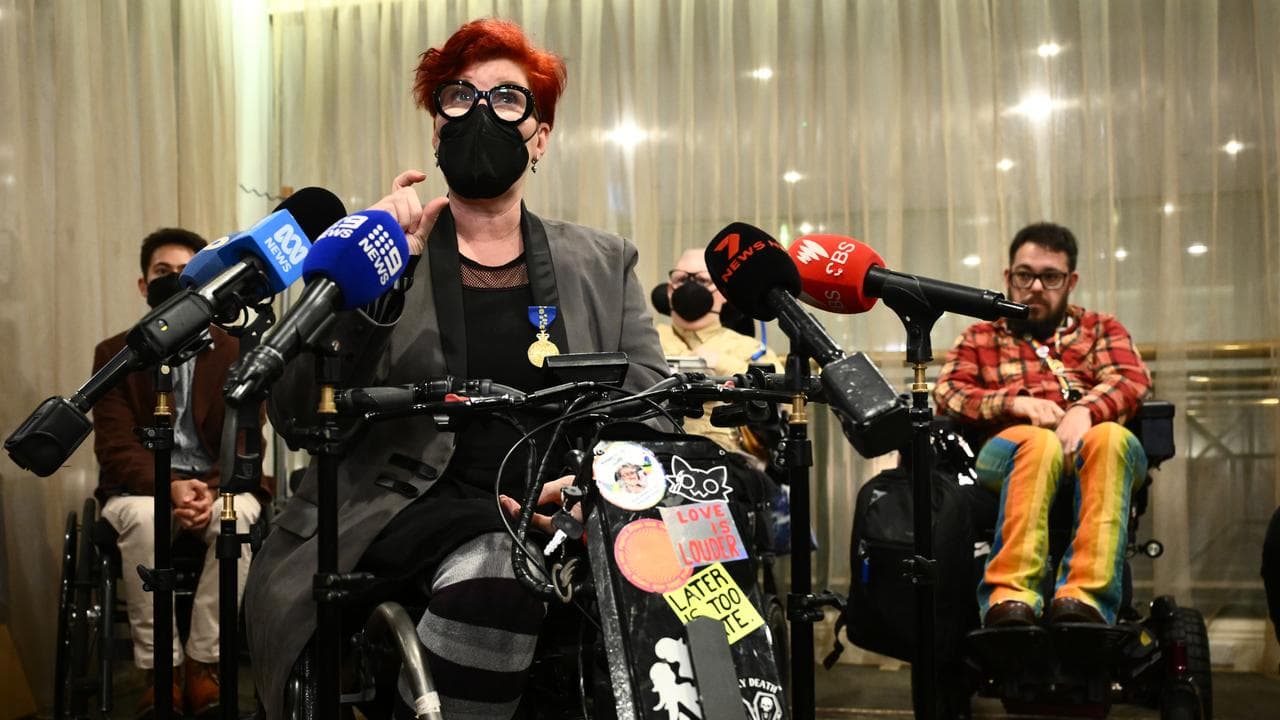
Almost all of those who gave evidence over the three days called for changes to the bill to ensure people with disabilities weren't left behind.
But government officials played down concerns about a planned 50 per cent cut to participants' social and community participation budgets, saying some would have their funding cut by less and there would still be support available.
"The reduction does not completely remove someone's budget, so there is still an allowance ... for social, civic and community participation," NDIS acting first assistant secretary Erin Rule told the inquiry.
Bureaucrats also said they would have more work to do to determine whether some participants may be forced to use psychotropic medications, which can be used as a chemical restraint for people with a disability.
The use of those drugs will be determined by rules which are still being drawn up, departmental officials said.


