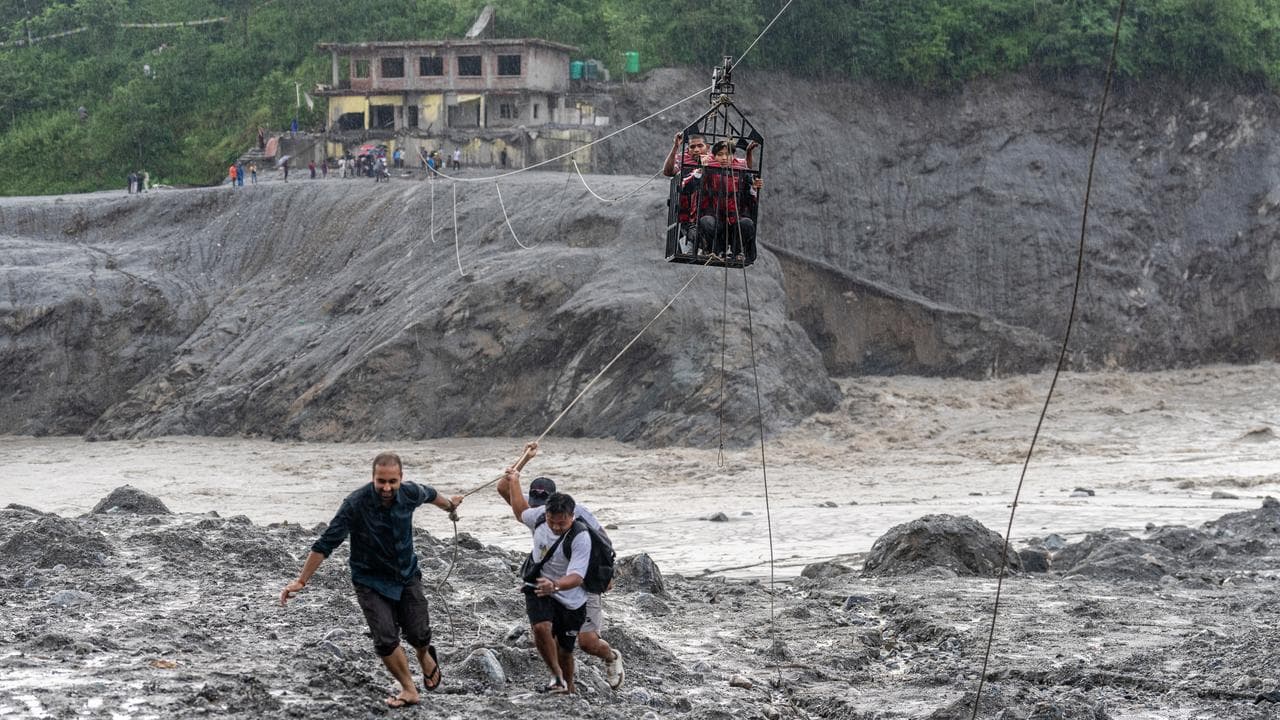
Hopes of finding more survivors among thousands still missing in Nepal are fading, but authorities believe dozens of workers trapped in the tunnels of hydropower projects hit by the Himalayan catastrophe could still be alive.
It has been one week since the glacier collapse in the Himalayas unleashed flash floods that devastated the mountainous nation, killing at least 1204 people and leaving more than 4200 others missing - at least 38 of those Australians.
Nepal's Prime Minister Balendra Shah said his government was focusing on rehabilitation and rebuilding efforts while continuing to look for survivors among the thousands still missing.
The possibility of finding survivors was fading, authorities said, but there was no let up in rescue operations as teams scoured the mountainside along the border with China.
Major rescue operations were under way at tunnels at four hydropower projects and two of them with a total of nearly 100 people missing offered the strongest hopes of finding survivors because of the presence of air inside.
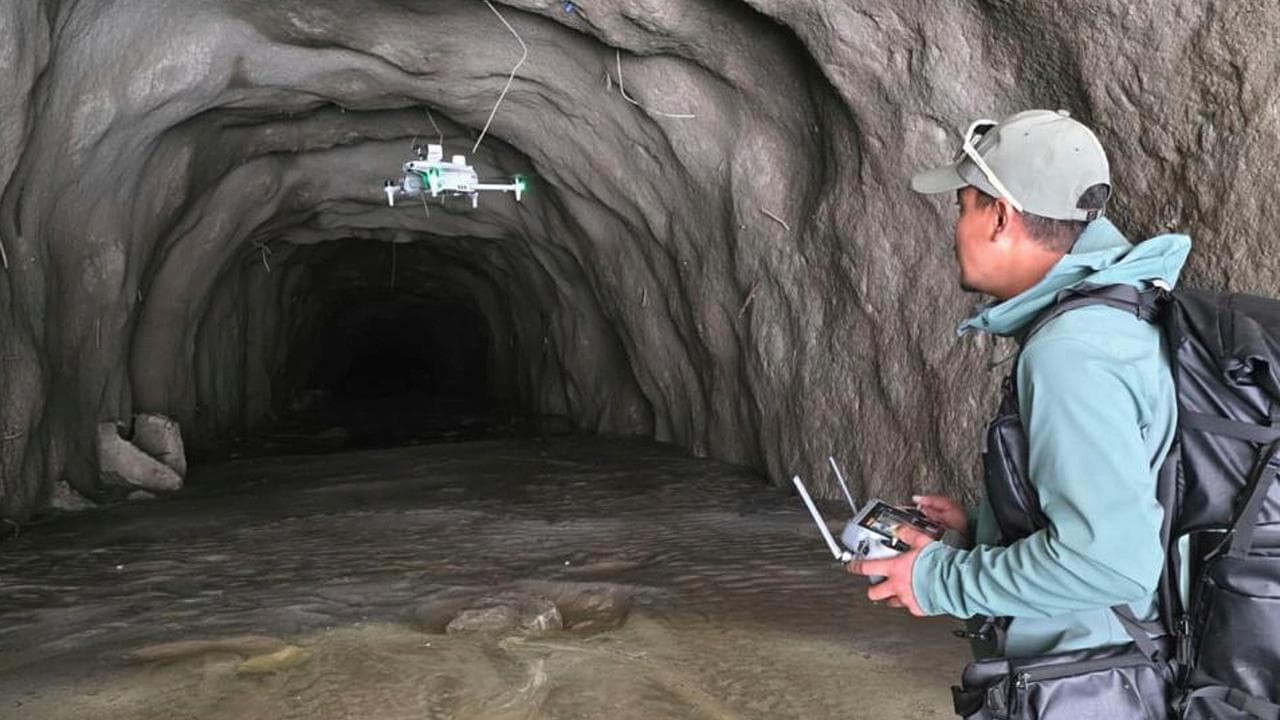
Authorities said powerhouses of hydroelectric plants have spaces and rooms for people to stay and rescuers are trying to reach them and look for survivors, with at least 639 people still missing, including those believed to be trapped in tunnels.
Specialised rescue teams from India, China and the United States were involved in the tunnel rescue attempts.
An army officer involved in the search-and-rescue operation, who spoke on condition of anonymity, said the search would continue to look for survivors.
"All the tunnels are being searched with the assistance of experts from India, South Korea and China," he said.
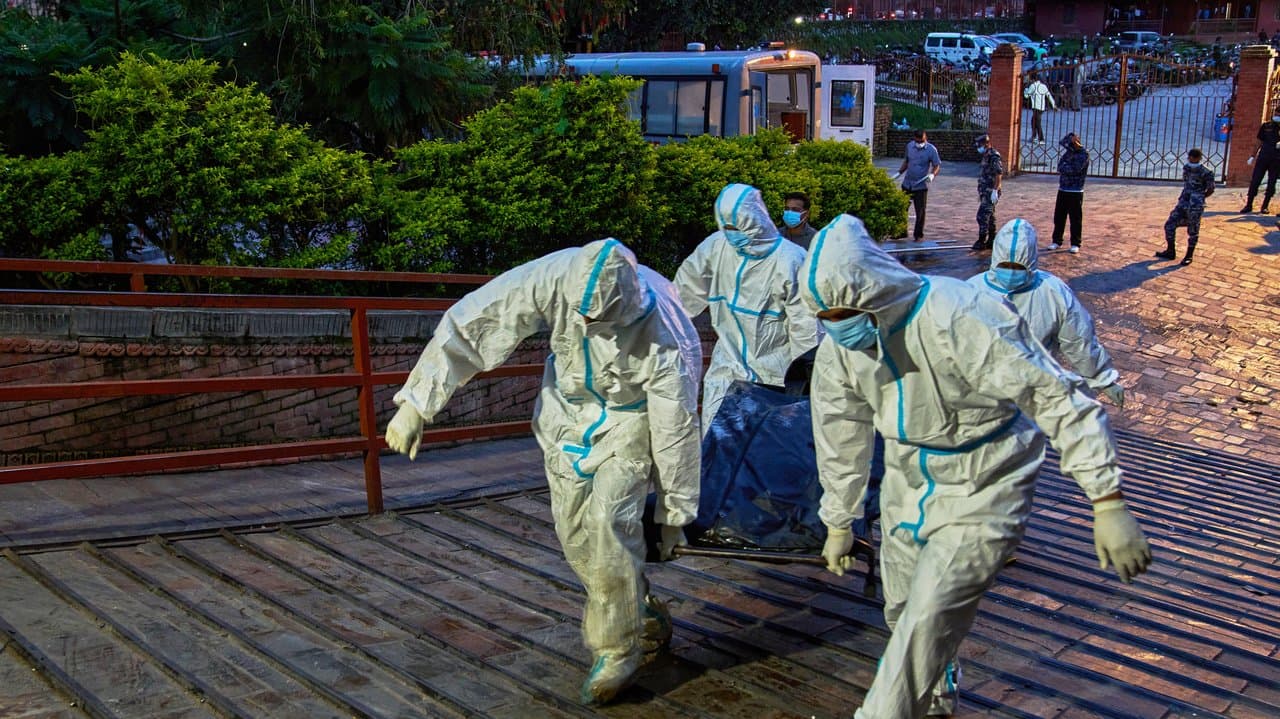
"The search-and-rescue operation will continue as long as there is any hope of finding survivors. Even if there are no survivors, we will recover the dead bodies."
Progress has been hampered by persistent rain and challenging terrain, as crews have to work in a narrow mountain gorge, hemmed in between unstable cliffs and a fast-flowing river.
China will send more DNA identification experts and emergency supplies including Bailey bridges, mortuary refrigerators and communications equipment to Nepal to help with the rescue and relief efforts, the foreign ministry said.
Residents in Nepal's affected areas walked around the remains of what were once bustling villages and towns, trying to salvage whatever they could of their belongings.
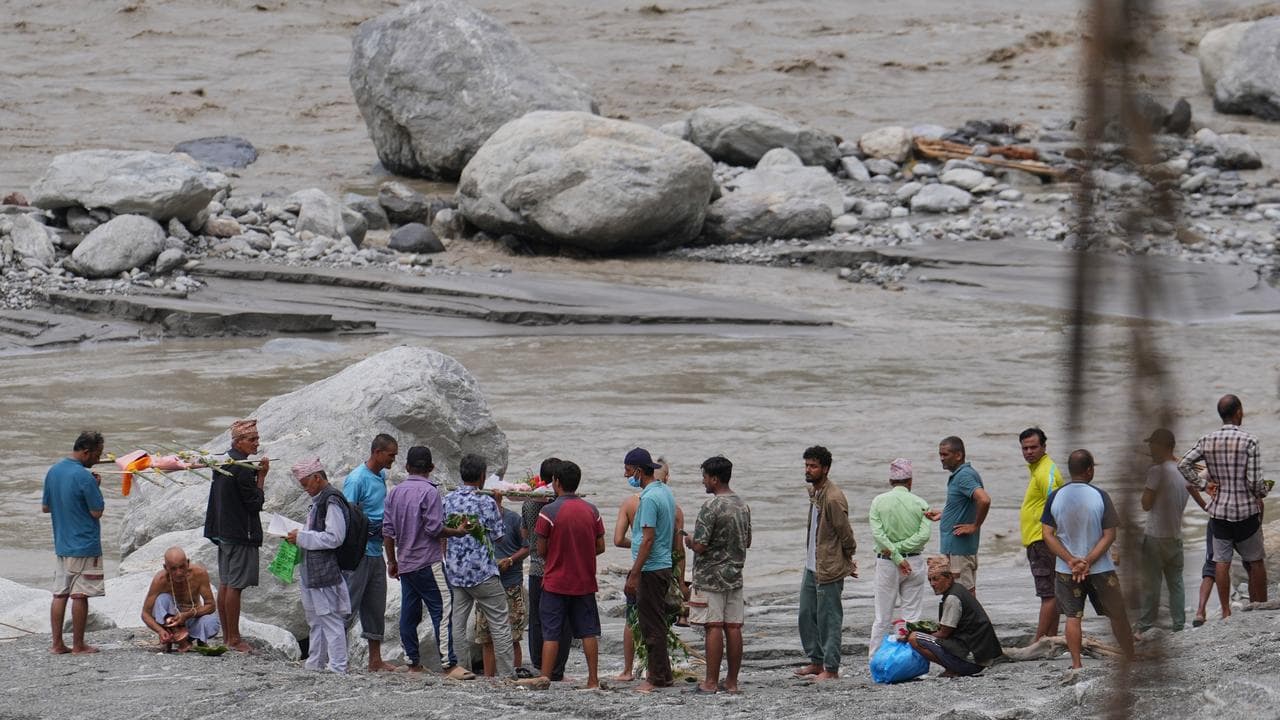
Authorities in Nepal have been burying recovered bodies in temporary graves until they can be identified. They are preserving DNA samples, photographing distinguishing facial features and recording other identifying details to help match the remains with missing people and eventually return them to their families.
Children in Nuwakot and Rasuwa areas are increasingly showing signs of psychological distress after witnessing the fury of the flood last week, international charity Save the Children said in a statement.
Many minors told Save the Children that they are fearful and anxious after witnessing wide-ranging horrors including school buses full of friends washed away, their homes submerged and everything they hold dear carried away by the waters, the charity said.
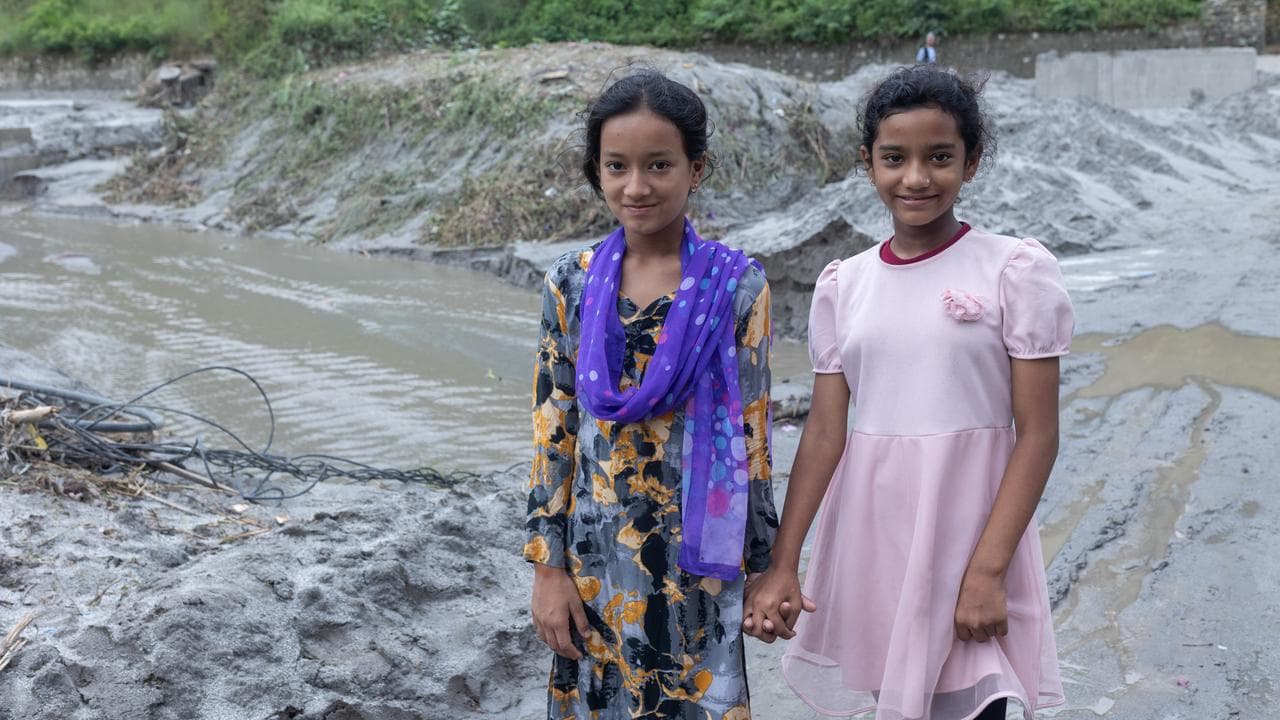
Authorities in disaster-hit districts were working to restore regular routines as much as possible, with a special focus on getting children into makeshift schools.
At least 22,000 children urgently need safe drinking water, sanitation and hygiene support, UNICEF said in a statement.
"Our priority is to restore normal life. We are considering if children can be taught in the holding centres till the time regular classes resume," said Phanindra Paudel, an official at Nepal's National Emergency Operation Centre.
with AP


