
Prime Minister Benjamin Netanyahu, who faces re-election this week, is drawing criticism from economists and political rivals after suggesting Israel could use cryptocurrency to help shield its economy from potential international sanctions.
In an interview with Israel's Channel 10 on Friday, Netanyahu said he was preparing for a scenario in which broader sanctions were imposed on Israel.
Last month, Britain, France and Canada said they would block imports from Israeli settlements in the West Bank in what was the latest in a series of actions targeting Israel's settlement policy, underscoring its growing diplomatic isolation among some of its traditional allies.
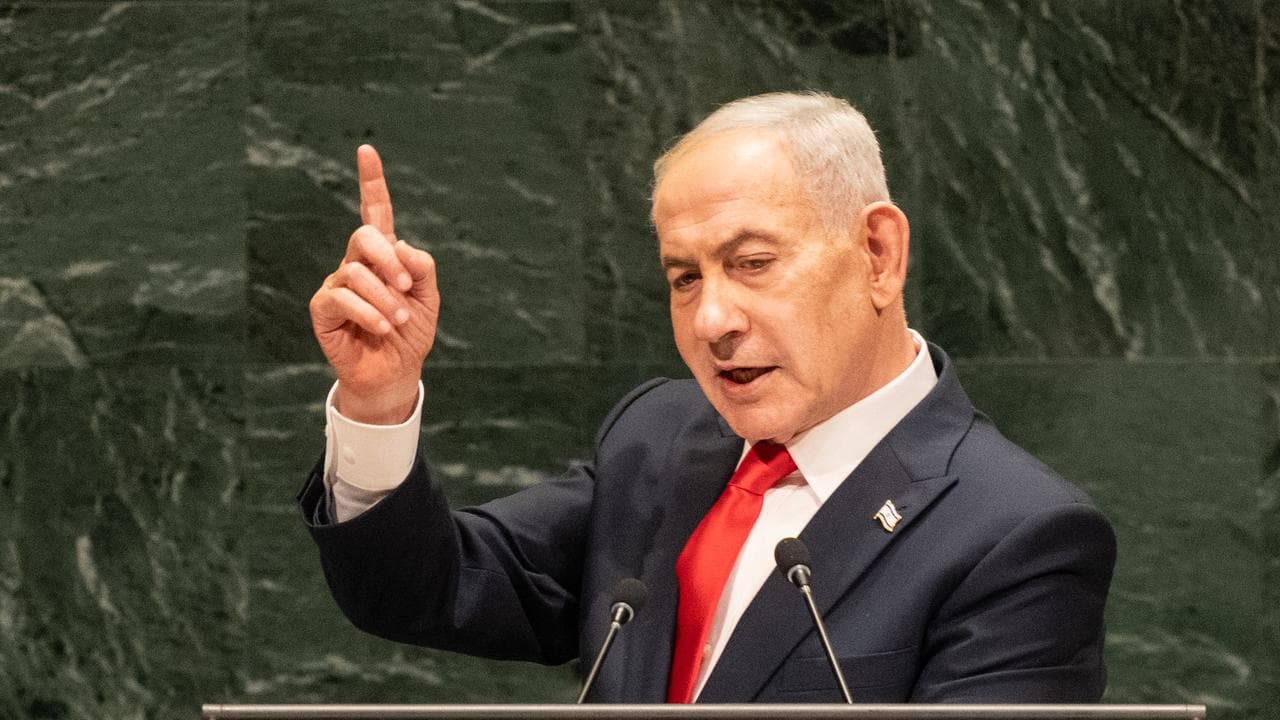
"There could be sanctions, and sanctions on banks so you need to set up a bypass economy," Netanyahu said.
"You know, there are currencies that can bypass (sanctions). We are also working on that."
Asked whether he was referring to cryptocurrency, Netanyahu replied: "Very true, very true," adding that blockchain technology was another possibility.
The comments drew a rare rebuke by the Bank of Israel, which said cryptocurrencies can't serve as a route to bypass sanctions and that political leaders should focus on policy that would render such measures unnecessary.
"The right course for Israel's economy is to preserve our economic relations with our main trading partners, and to focus on preventing sanctions and their negative impact on the economy," it said.
Netanyahu on Sunday continued to defend his record, urging voters to back him and saying he and US President Donald Trump had two years left to work together to topple Iran's rulers.

On Sunday, more than 100 economists, including former Bank of Israel officials, ex-central bank governor Jacob Frenkel and several Nobel laureates, signed a letter expressing alarm over Netanyahu's proposal.
They said it would lead to higher unemployment, a fall in foreign investment and the collapse of Israel's economic standing in the world.
"As we have seen in countries that have suffered similar sanctions, such as South Africa, Iran, and Russia, the living standards of Israeli citizens would plummet dramatically, and the state's ability to finance its security and defend itself against its enemies would be severely damaged," the letter read.
"Netanyahu is knowingly leading the State of Israel toward boycott and international economic isolation, and all he has to offer the Israeli economy is a puzzling solution, one accepted in criminal organisations, that will not help in the slightest."
Netanyahu's main rival in Tuesday's election, Gadi Eisenkot, called the crypto plan "madness" and said he feared that the "BibiCoin policy" would drive companies abroad and undermine national security.
Opposition leader Yair Lapid also dismissed the idea.
"Netanyahu has gone off the rails ... He promises the citizens of Israel before these elections that they'll be standing in line for an hour and a half for bread, like in Russia and Iran," Lapid said.
Opinion polls point to a potential stalemate in the election, with neither Netanyahu's ruling coalition nor an opposition alliance securing a governing majority in parliament.


