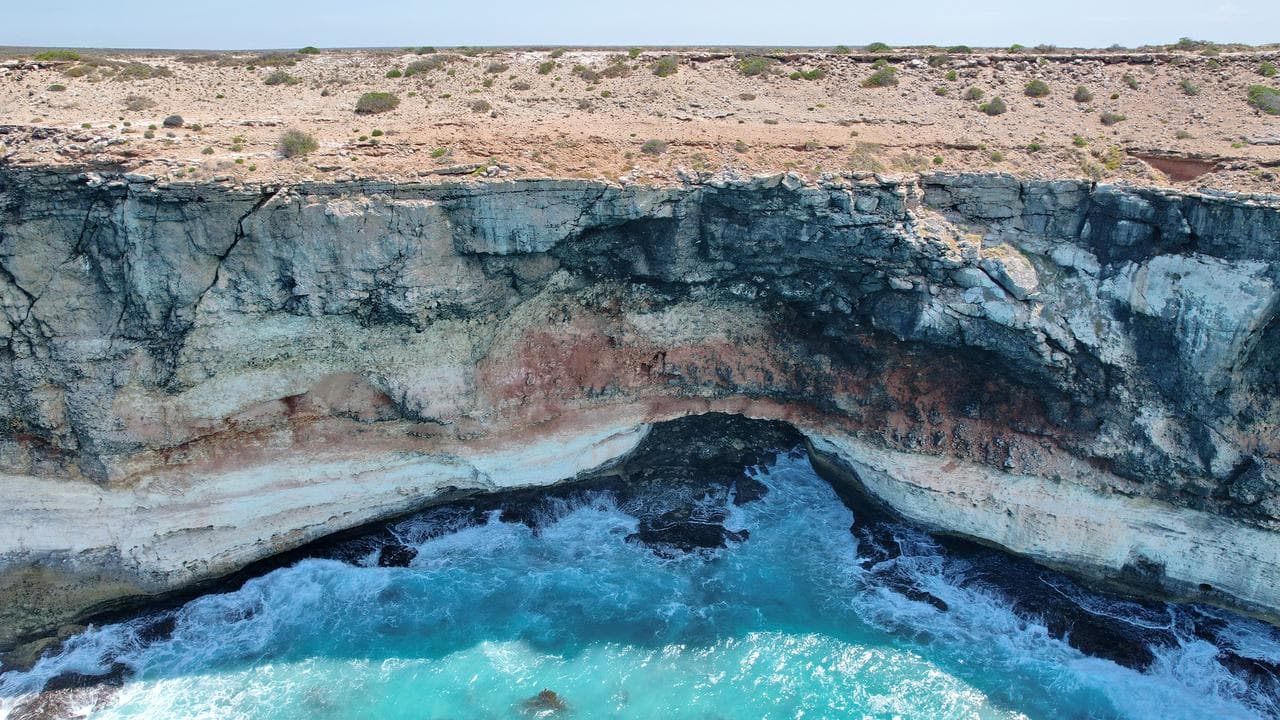
Crossing the Nullarbor Plain, it is easy to feel overwhelmed by its vast emptiness and isolation.
At its most remote sections in the almost 500km stretch between Eucla and Ceduna, saltbush and roadkill might be the only things passed by road trains and caravans.
However ancient worlds are hidden beneath its limestone flats, featuring cave systems that spread kilometres underground.
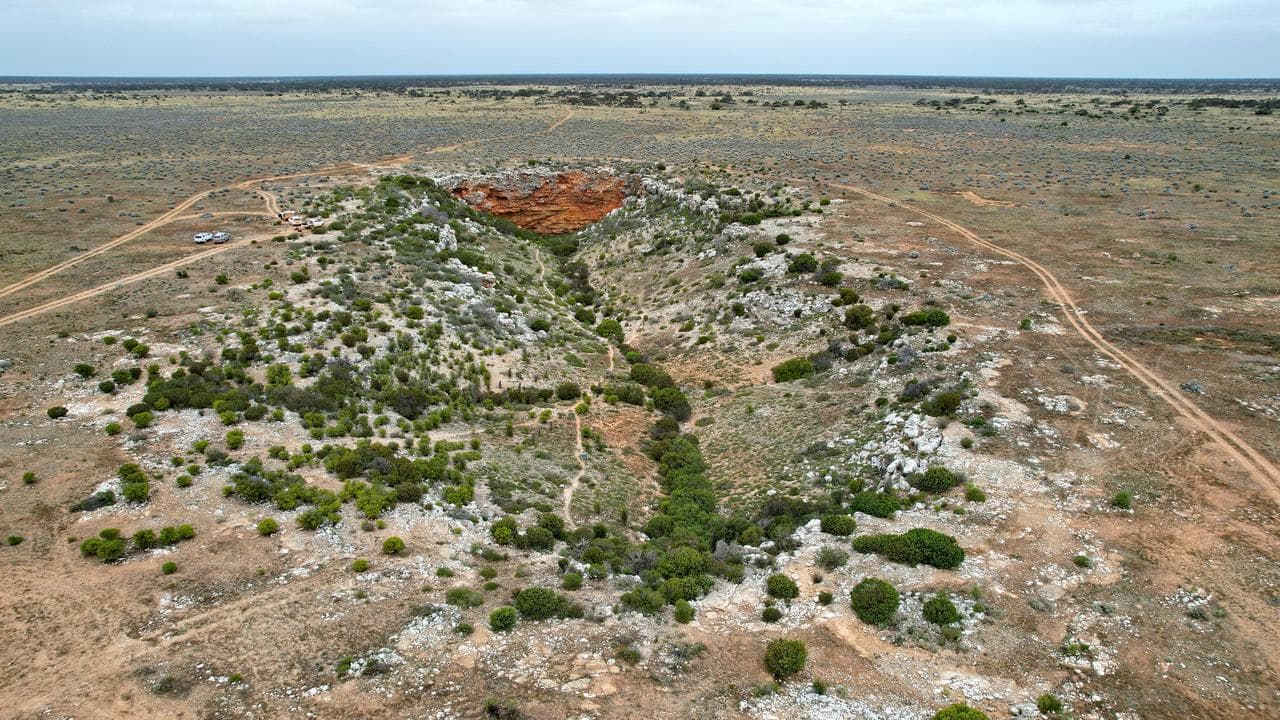
A study has revealed the systems are much larger than previously thought thanks to a new mapping technique.
Matej Lipar, adjunct research fellow at Curtin University’s School of Earth and Planetary Sciences, said the study discovered trenches were being formed when underground caves gradually collapsed, eventually breaching the surface.
It allowed his team to detect cave systems buried beneath the surface.
"What we discovered, was a footprint of an old cave," Dr Lipar said.
"What it means is that when trenches ended, you can assume that there’s actually a cave, just if you keep on following that line.
"In geological scale, it’s all going very slow but it is still ongoing."
Dr Lipar said motorists drive above these trenches when crossing the Nullarbor, often within five metres below the surface.
"The deepest one is nine metres. You don't really feel that, that’s why it’s been overlooked for a while," he said.
"Something that hasn’t collapsed yet is more dangerous. It’s what you don’t see."
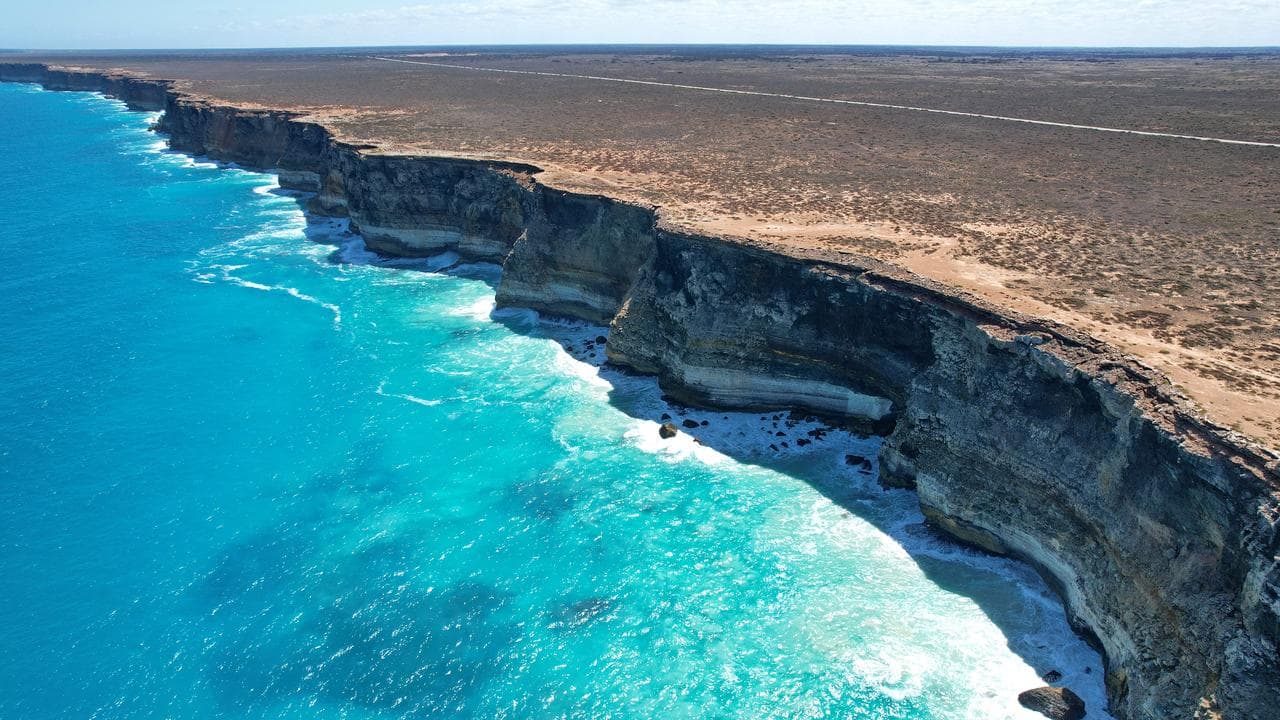
Based in Slovenia, Dr Lipar has been studying the Nullarbor for 15 years and said the region provided some of the most protected ecological sites on the planet.
"The Nullarbor hasn’t gone through other earth processes or some other forms. It was nicely uplifted, slightly tilted, but you’ve got it on a plate," he said.
Satellite radar and drone technology was used to scan the landscape and reach cave openings on cliffs off the Great Australian Bight.
The data to map the caves will be used to study similar features on Earth, with the possibility these techniques could help space exploration.
"If you see this similar feature here on Earth, there’s a possibility that something similar with similar processes could form on other places on Earth and other planets," Dr Lipar said.
"We call the caves natural archives. That’s why it’s quite important to know what you’re looking for when you go down into the cave."
The research has been published in Communications Earth & Environment journal.


