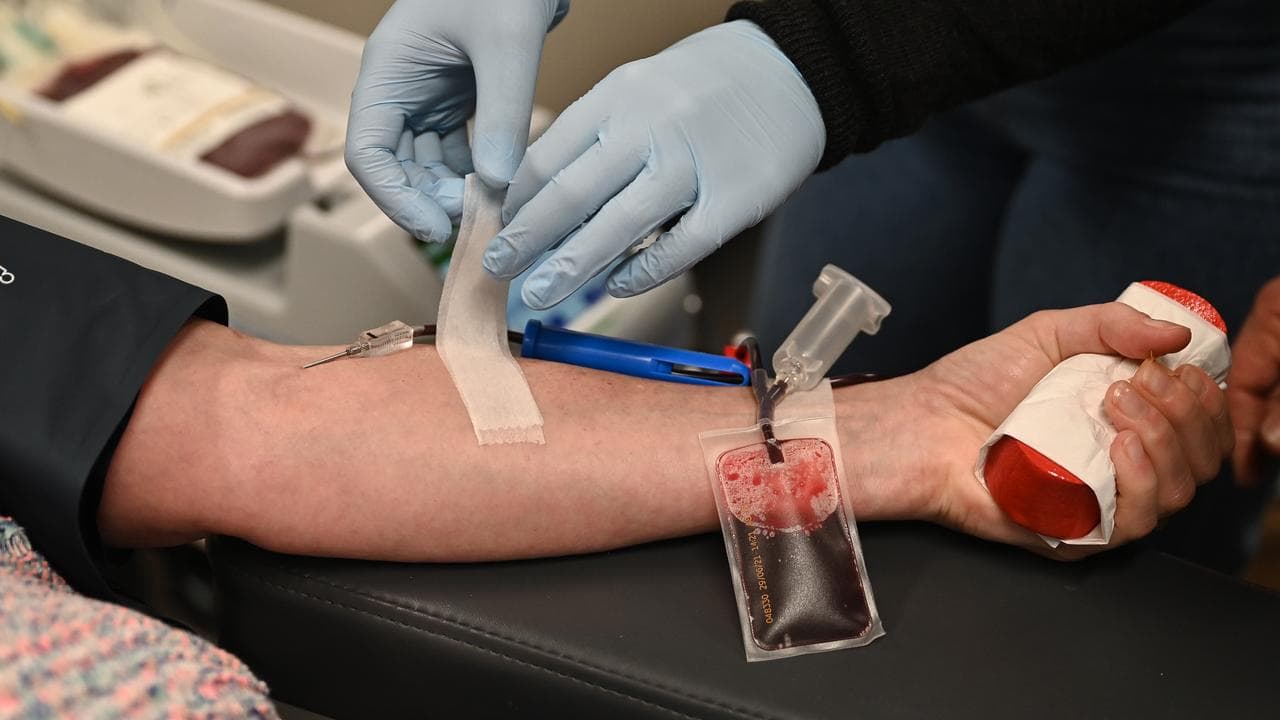
Every time Erol Dalkic prescribed blood to his patients, he was reminded he may never be part of the life-saving treatment.
On Monday, he donated whole blood for the first time after Australian Red Cross Lifeblood changed sexual activity rules, paving the way for thousands of donations from the LGBTQI community.
"I grew up in the 90s, after the horrible HIV and AIDS pandemic, when people who were similar to me were labelled as having dangerous bodies," he told AAP.
"So this is a very meaningful time for us to feel viscerally that we are more included within society."
From Monday, men will no longer be asked if they've recently had sex with a man in pre-blood donation questionnaires.
Instead, all donors will be asked the same sexual activity questions regardless of gender.
This will allow more gay and bisexual men and transgender people who are in monogamous, long-term relationships to give blood, with modelling showing Lifeblood could receive up to 20,000 extra donations per year.
Those who aren't in these relationships will still be able to donate plasma after Lifeblood in July lifted a ban on donations from gay and bisexual men, and transgender women.
Dr Dalkic and his long-term partner Graham August have made 15 donations each since the change and formed donation team Fruit Juice to support other members of the LGBTQI community who also want to take part.
"We like the term spiteful altruism because we're doing the right thing, we want to contribute, but it's also a 'screw you' because we've been waiting so long to help," Mr August told AAP.
"This is our community saying: we're here, we've been waiting, look at all the good we can do."
Previously, rules stopped many from donating plasma if they had sex with men in the previous three months.
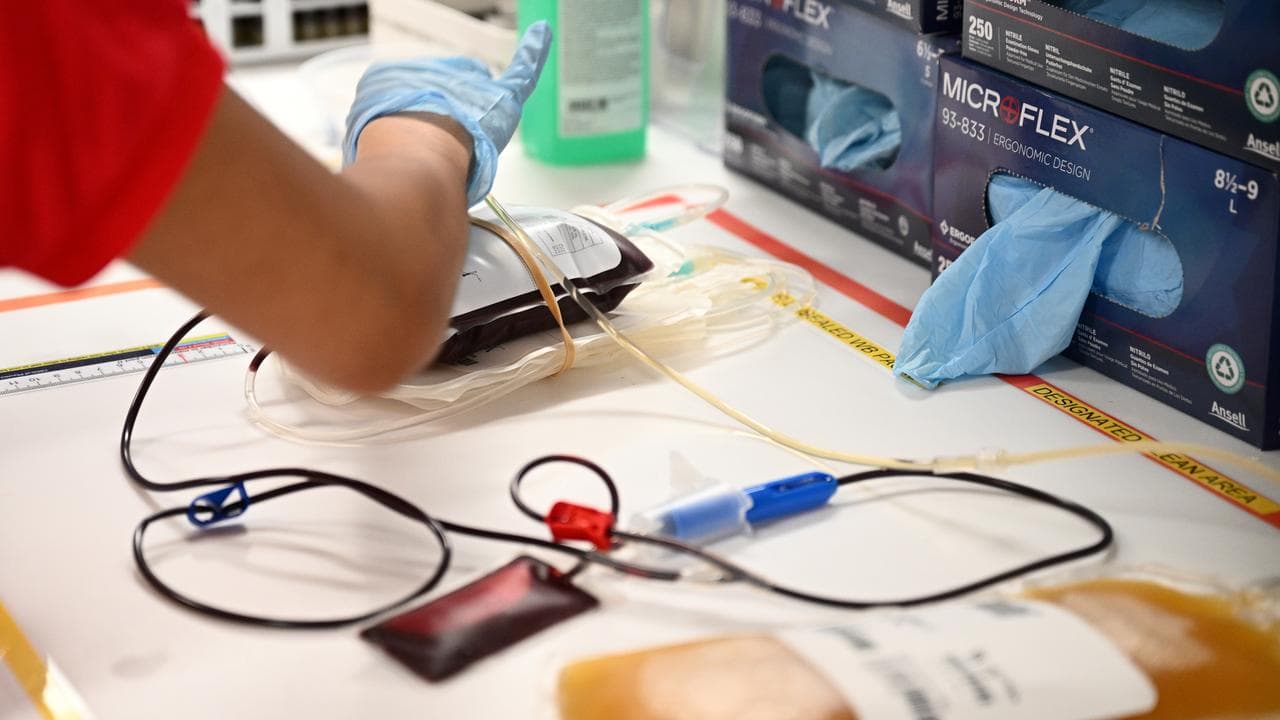
For Mr August, who had watched his father donate blood more than 300 times, being barred from following in his footsteps felt wrong.
"It hurt, it felt like I was being excluded and not by any choice of mine," he said.
"Seeing my dad doing all that, seeing other members of the community doing it and now being able to do it myself feels correct."
Gay and bisexual men, and anyone who takes the HIV prevention medication PrEP, can now donate plasma without a waiting period, provided they meet all other eligibility criteria.
This followed extensive research and modelling showing there would be no impact on the safety of donations under the change.
"We would like to acknowledge all of those that have waited years to be able to donate," Lifeblood executive director Cath Stone said.
"We wait for the right science and evidence and then we make changes at the appropriate time."


