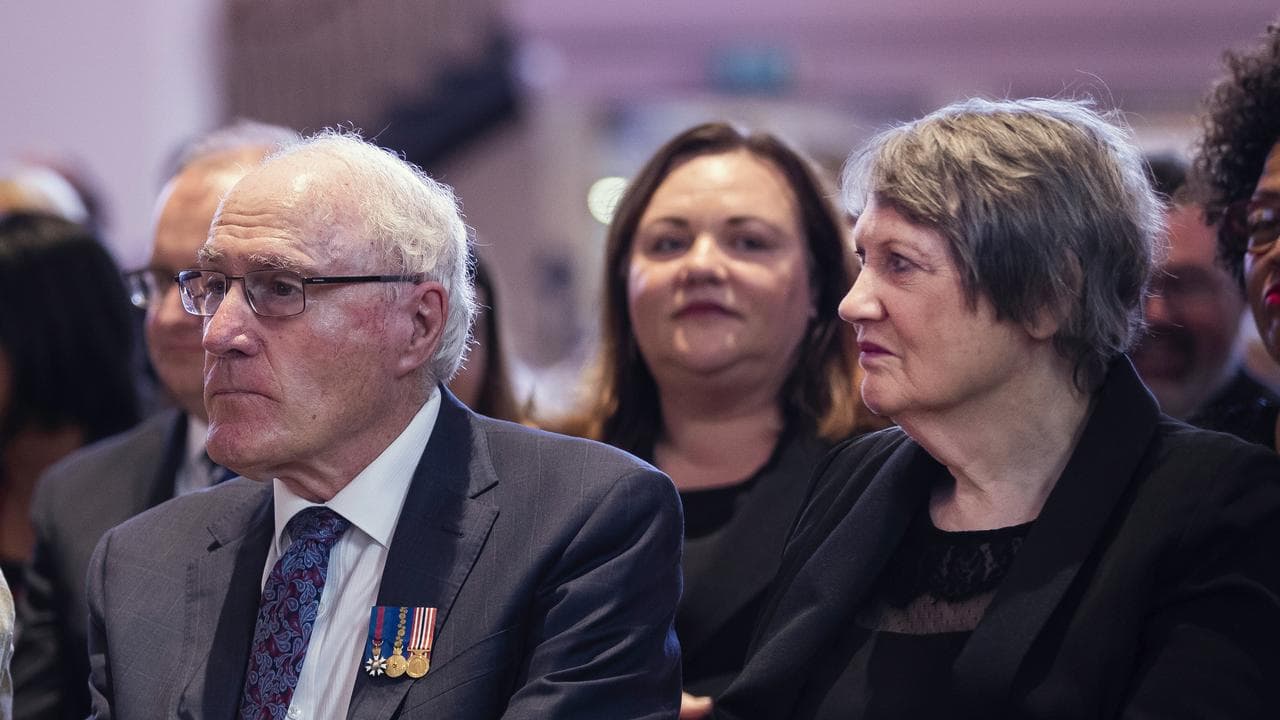
Another former New Zealand prime minister has joined calls to reform and "safeguard" the nation's electoral system after the unprecedented, still unresolved 2026 election.
Geoffrey Palmer - along with a coalition of academics, legal experts and think-tankers - has joined Helen Clark to urge a quick and thorough review of the country's mixed-member proportional (MMP) system.
Kiwis are still waiting on their next government after an exceptionally close result in the November 7 election, which included a distortion of the party vote.
On the preliminary results, Chris Luxon's right-leaning coalition has eked out a second term with a slender majority, winning 67 of the expanded 131-seat parliament.
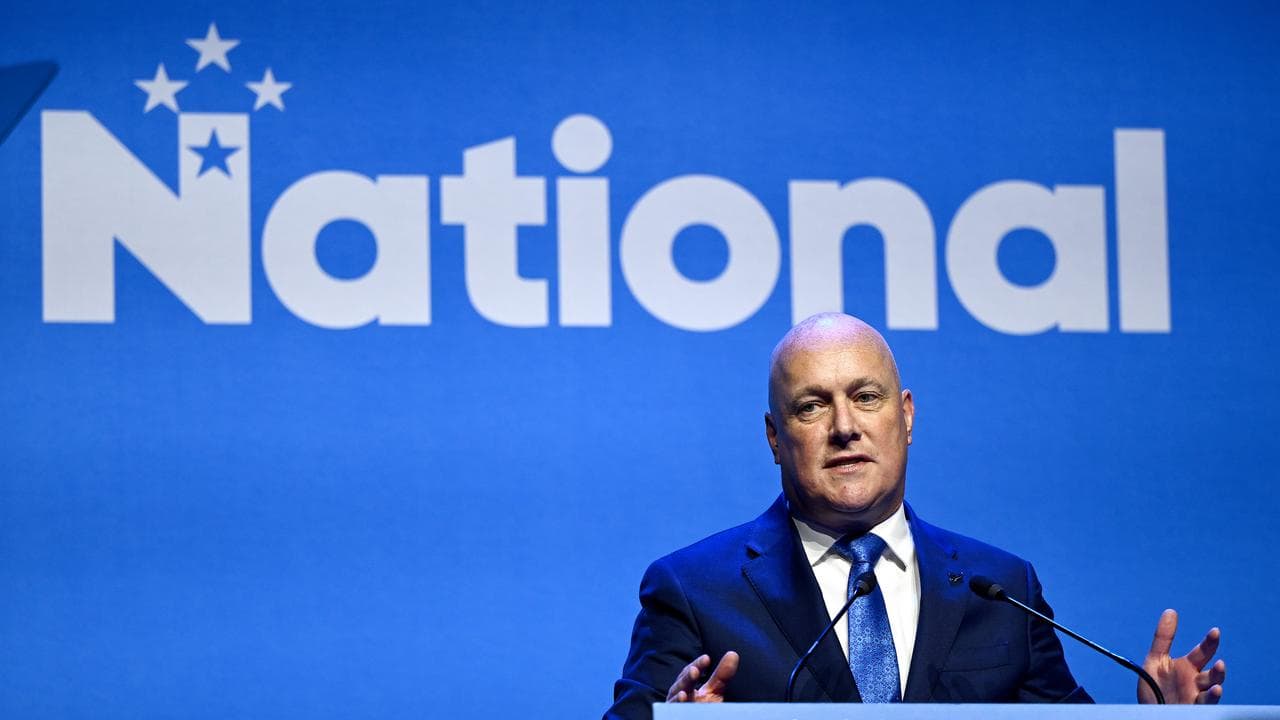
That majority - which may yet change in the final results, expected on November 27 - is courtesy of an "overhang" affording Mr Luxon's National party more seats than it would normally be entitled to.
In New Zealand, voters mark their ballots in two ways: for a local electorate MP and for a party.
This system is intended to produce a proportional parliament, so a party's nationwide party vote percentage is roughly its percentage of MPs.
In the 2026 campaign, National's party vote crashed to 29 per cent, down nine per cent from the 2023 election, enough for 36 seats.
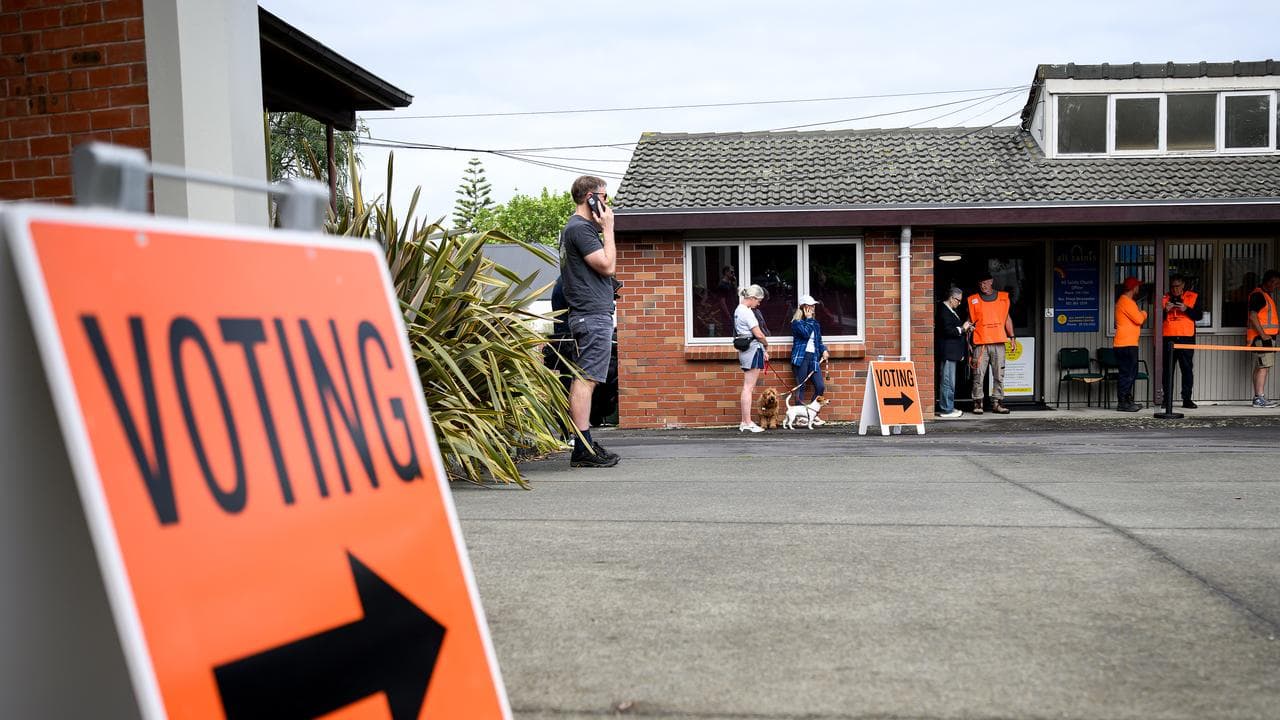
However, National's support held up at the electorate level, winning 42 individual seats, meaning it ended up with six seats more than it otherwise would have.
This phenomenon - known as split or strategic voting - was backed by National's coalition partners ACT and NZ First, as well as third-party right-wing campaigners, hoping to maximise the right bloc's size.
It also took place on the left, with the Maori Party only running candidates in Maori-only electorates and winning five seats with a mere 0.6 per cent of the party vote.
While overhangs have occurred before, it has never benefited a major party, nor has it been potentially critical to the outcome.
VIDEO: 20261030125273087540
The day after the election, Ms Clark led outcry on the disproportionality, telling AAP it could lead some to conclude the election was "flawed".
"This outcome is not what MMP was designed to deliver, which was a proportional result," she said.
On Wednesday, 46 esteemed and concerned New Zealanders added their names to the list of those wanting a thorough probe, urging MPs "to keep the 'P' in MMP".
"The 2026 election preliminary results would give the second-party party six more MPs than the party with the most party votes," the letter reads.
Options for reform, canvassed in two previous reviews, include growing the parliament so overhangs are harder to achieve and disbarring electorate MPs in the event they occur.
While the 2026 outcome has produced roughly equivalent overhangs on both sides, the fear is that future election campaigns could devolve into races to create the biggest overhang.
Speaker Gerry Brownlee, the long-term National MP who lost his seat at the election, has also called for a probe.
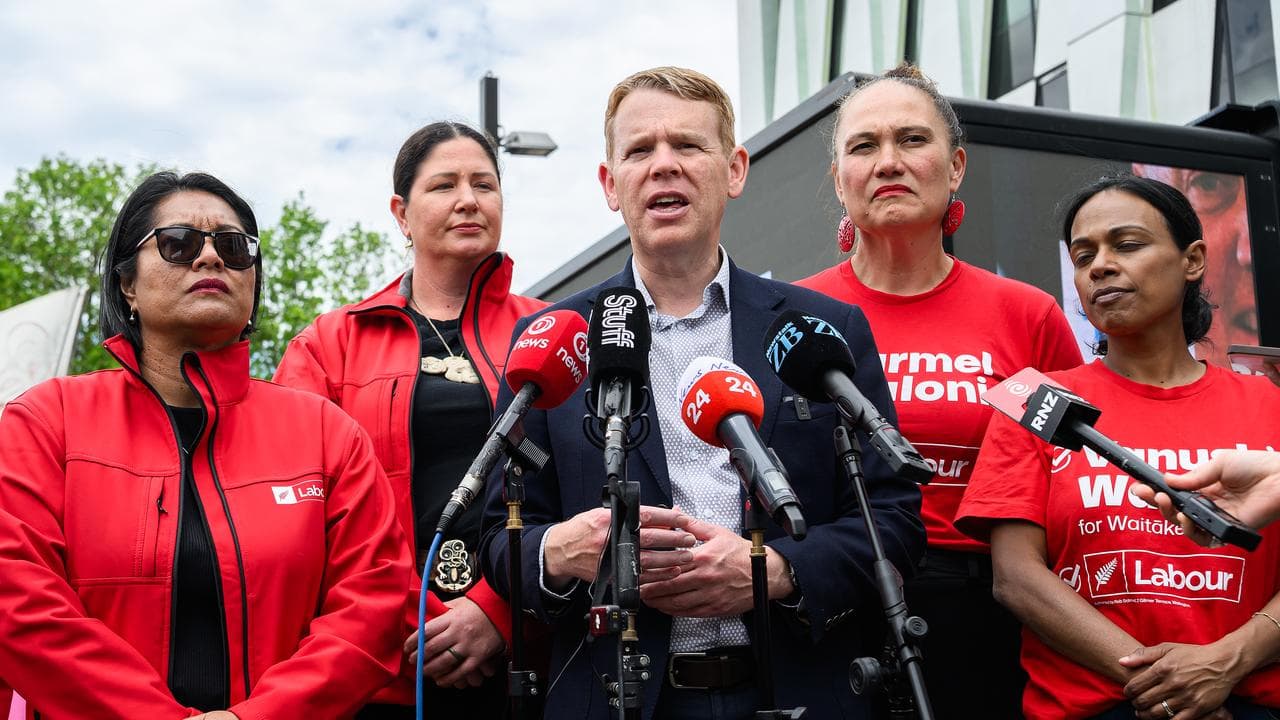
Labour leader Chris Hipkins - who is waiting to learn whether he can form a government - was scathing of the right's tactics, saying National was "only holding onto the prospect of power because they manipulated the electoral system".
A National party spokeswoman said the election would be the subject of a regular parliamentary review, while ACT leader and deputy prime minister David Seymour said he wasn't sure what a bigger probe might achieve.
"Voters are entitled to use their two votes however they choose and political parties should respect their decisions," Mr Seymour told AAP.


