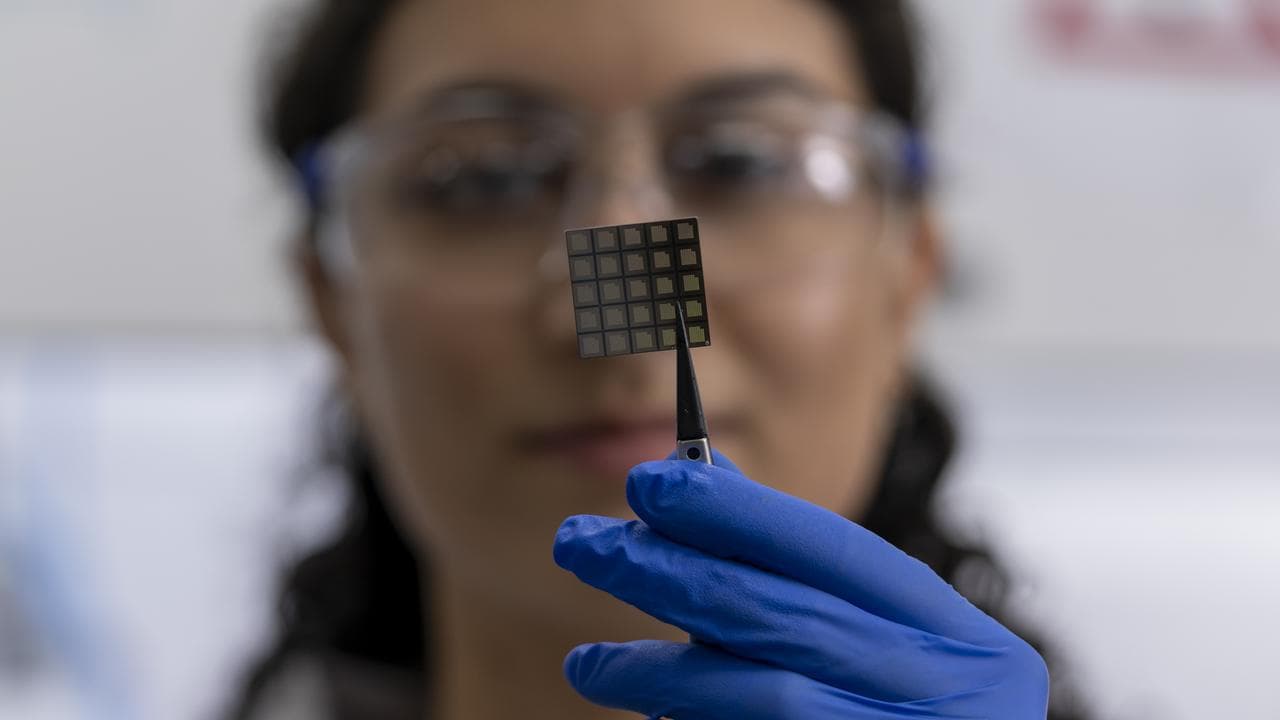
The next big leap in artificial intelligence could get a boost from Australian-made technology after a Sydney start-up secured federal funding to bring it closer to launch.
The company, which aims to make advanced computer chips in 2027, says they could tackle significant bottlenecks holding back AI progress.
Syenta announced the $10.1 million investment from the National Reconstruction Fund on Wednesday, as part of $36 million ($US26 million) in fundraising for the company that spun out of the Australian National University.
The news comes after the federal government released a National AI Plan focusing on building domestic capability in the technology, and after AI was named a national priority at the economic reform roundtable.
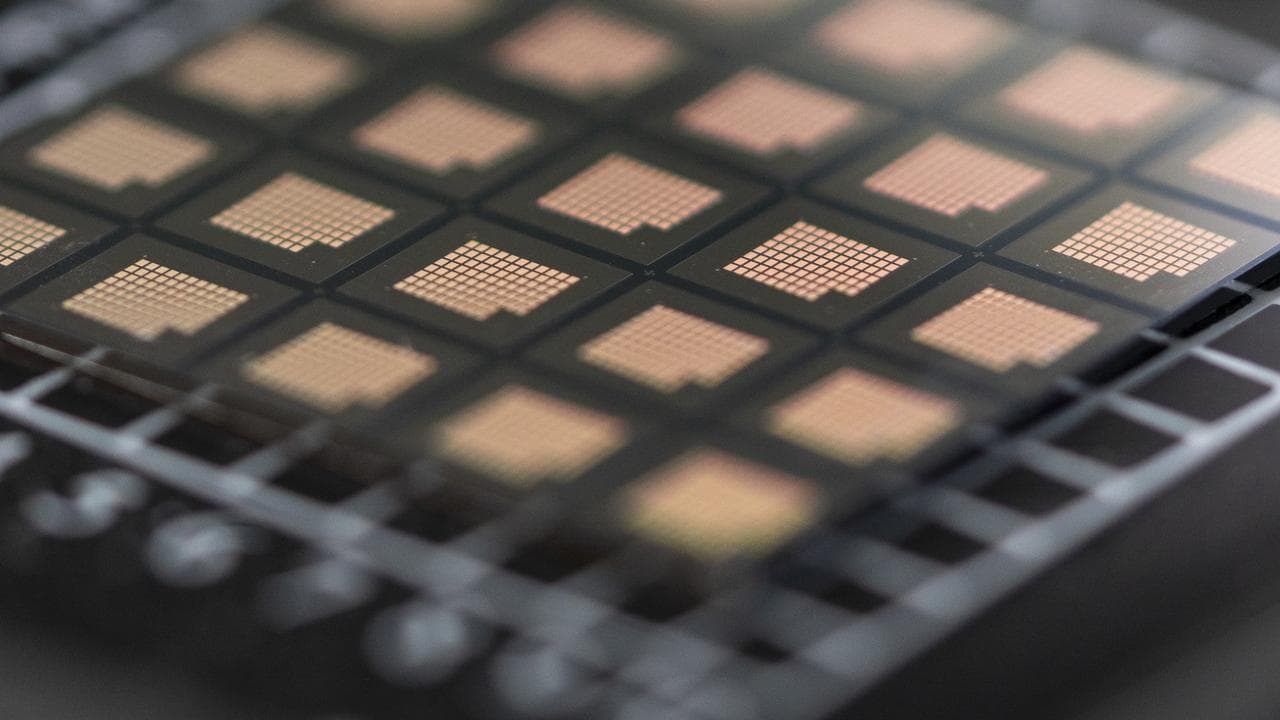
The Australian company plans to manufacture computer chips designed to support next-generation AI technology, as well as quantum computing and robotics.
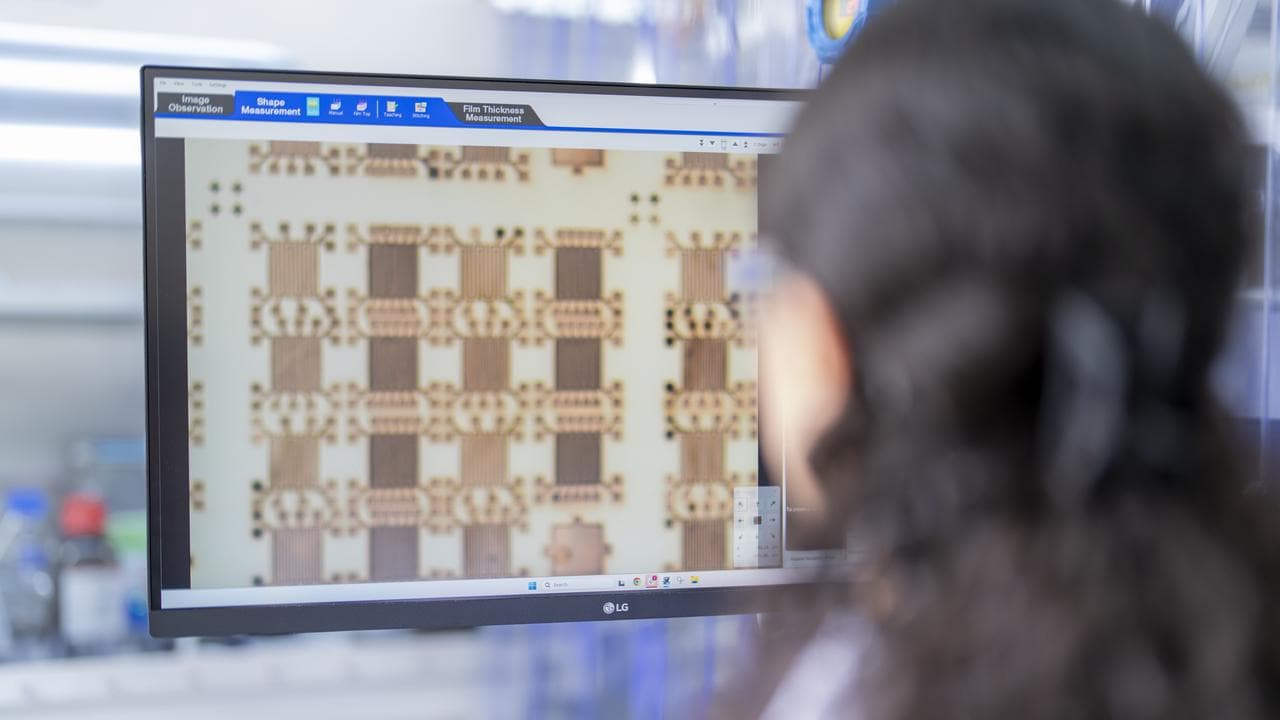
Semiconductors designed by the company will use a proprietary system to connect smaller, specialised chips called chiplets together with fine wires to improve performance.
Chips using advanced semiconductor packaging were only being manufactured in Taiwan, which had led to long delays, Syenta chief executive Jekaterina Viktorova said, but the firm's system could make them more efficiently.
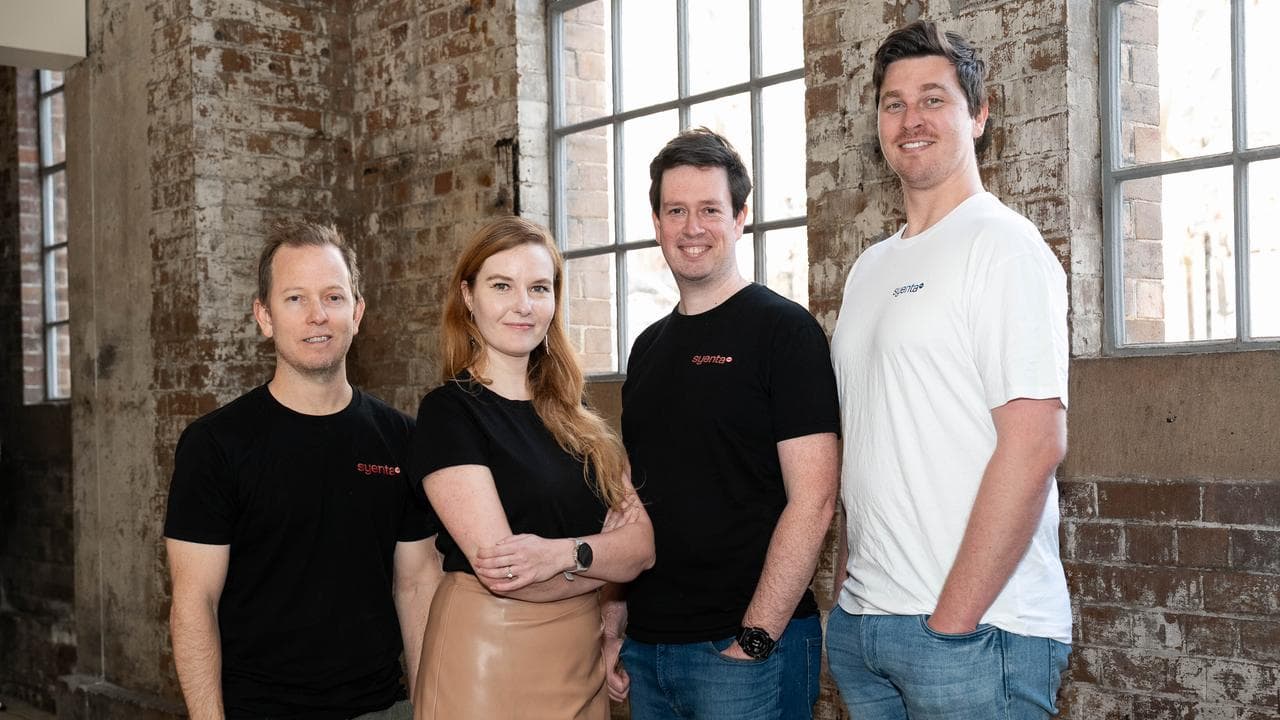
“It’s different from everything that’s on the market today and we are able to build these wires much faster than the industry is used to, reducing 40 per cent of the steps that are typically used by major foundries,” Dr Viktorova told AAP.
The $10.1 million investment would be used to buy specialised machinery and support early production facilities, with a goal to manufacture products in early 2027 and test high-volume production in 2028.
“This is an Australian innovation but we’re working with tier-one chip designers that are based all the way around the world who are very excited about putting us into their pilots,” she said.
The company also planned to add another 25 employees to their local workforce, National Reconstruction Fund chief information officer Mary Manning said, which would be vital to establishing an AI industry in Australia.
“It’s innovative, it’s important for Australia’s sovereign capability and it fits very nicely with other parts of the (fund’s) mandate where we will need semiconductor expertise and semiconductor capability within Australia,” Dr Manning told AAP.
“It’s also important that jobs are created for the people who have these skills so that (they) don’t go offshore.”
The global semiconductor industry was worth $US775 billion in 2024, according to research from McKinsey & Company, but could boom to $US1.6 trillion by 2030 due to demand for AI applications and data centres.


