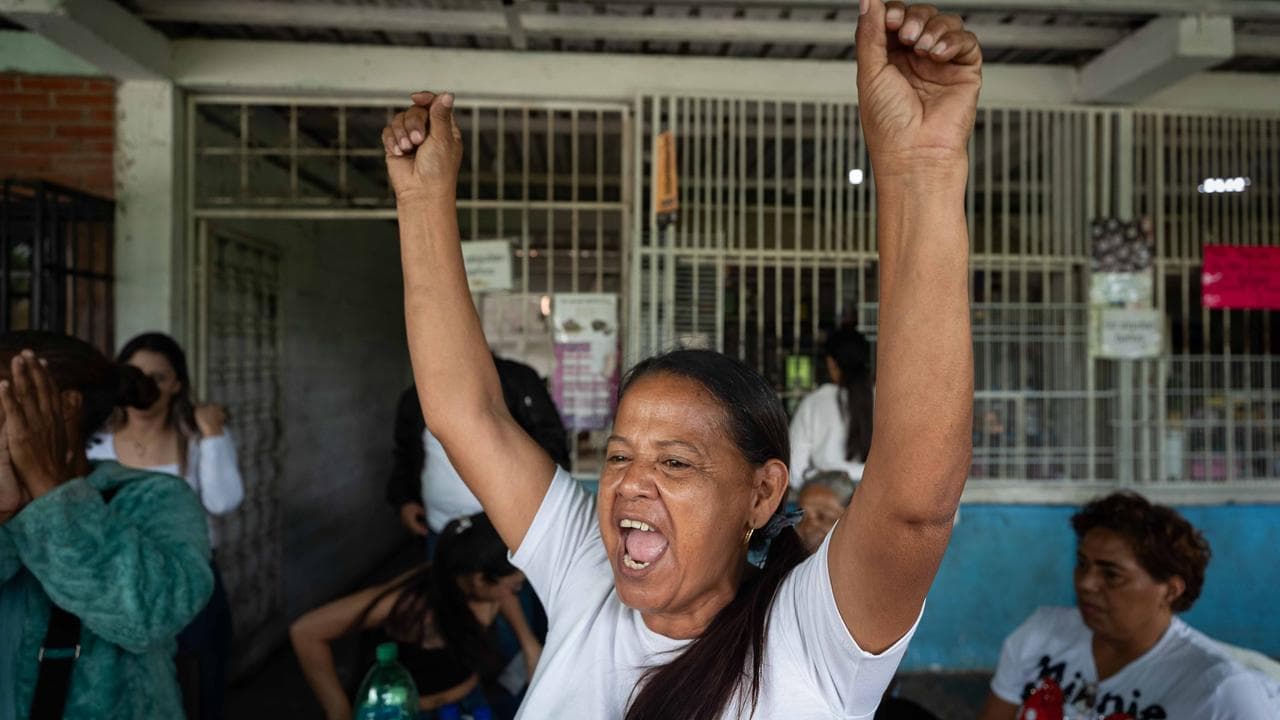
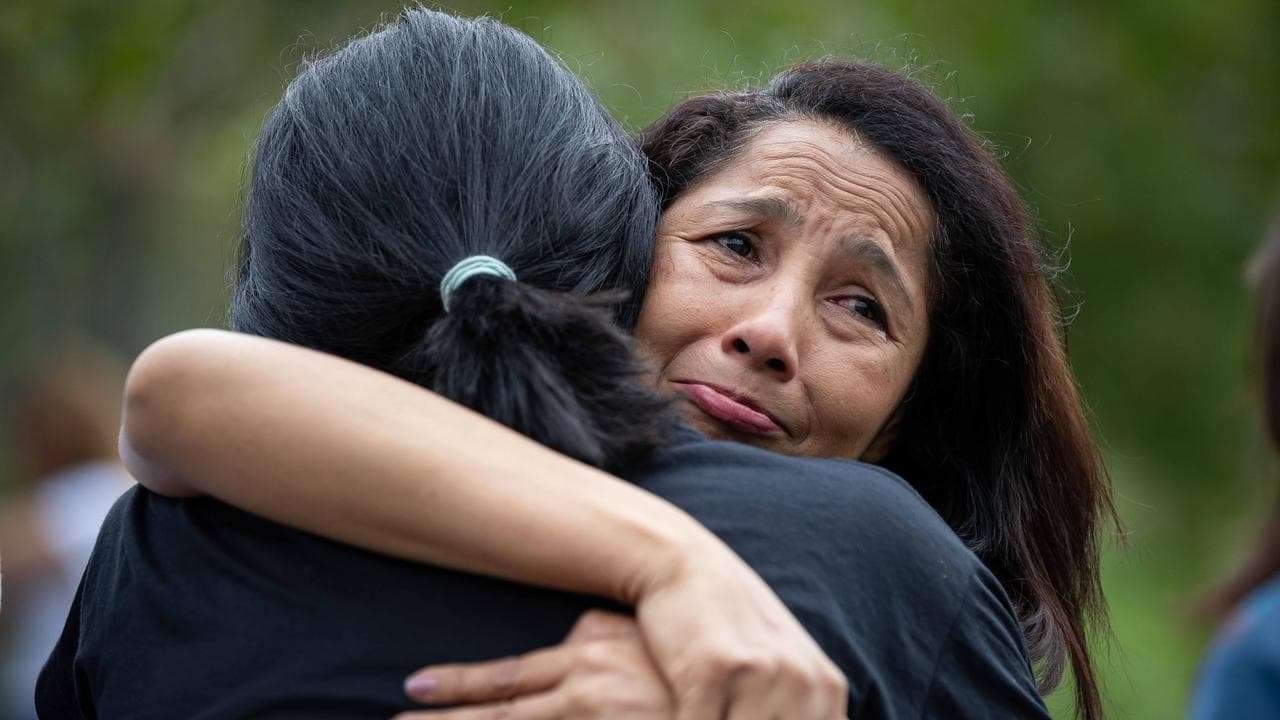
The number of prisoners released in Venezuela has risen from nine to 18, human rights groups say.
The release of hundreds of political prisoners in the South American country is a long-running demand of human rights groups, international bodies and opposition figures, including Nobel Peace Prize winner Maria Corina Machado, who has several close allies imprisoned.
Both US President Donald Trump and Venezuela's top lawmaker Jorge Rodriguez, the brother of acting President Delcy Rodriguez, have said the releases are a gesture of peace.
Trump said in a post on Truth Social he had cancelled a second wave of attacks on Venezuela following co-operation from the South American nation.
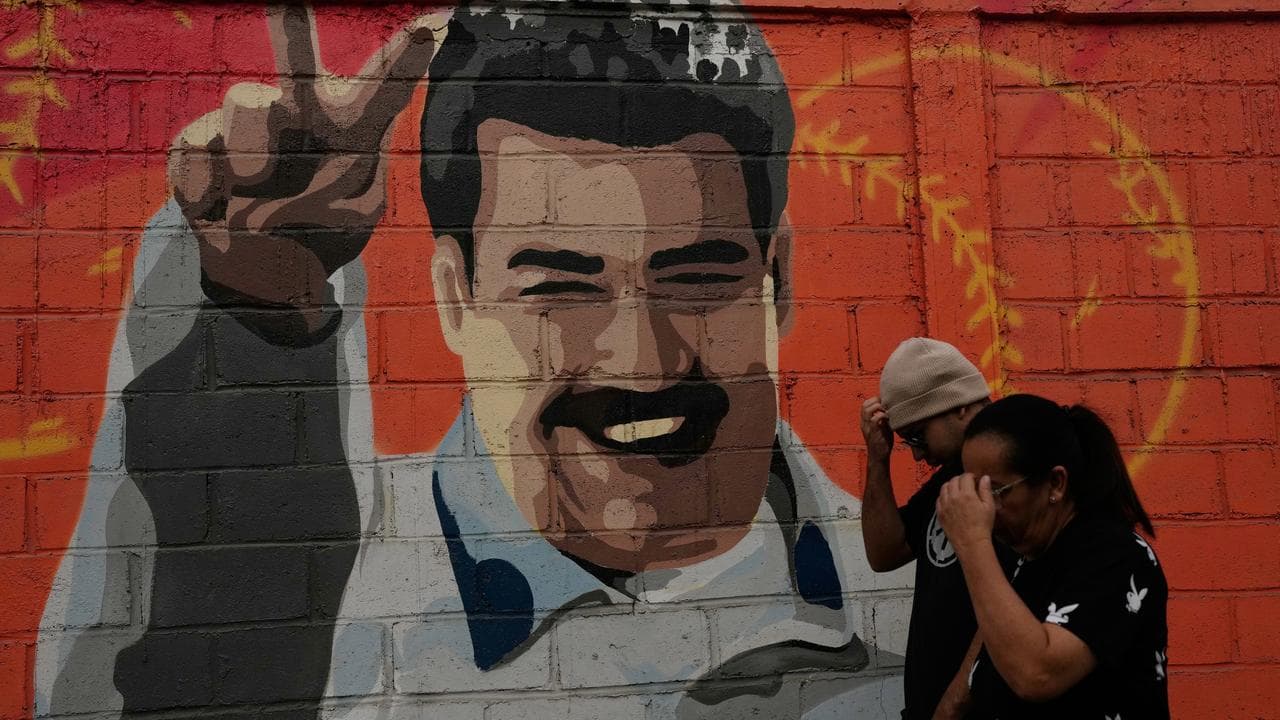
The releases cap a week of political turmoil in Caracas: the US attack on Venezuela, the stunning capture of President Nicolas Maduro, his arraignment in a New York court on narco-terrorism charges, the swearing-in of Rodriguez and the announcement the US would refine and sell up to 50 million barrels of crude oil from Venezuela.
For years, Venezuela's opposition and human rights groups have said the government uses detentions to stamp out dissent, a charge authorities have consistently denied.
There is no official list of exactly how many prisoners will be released, nor who they are.
Local rights group Foro Penal estimates there are 811 political prisoners in the nation. That figure includes more than 80 foreign detainees, including two from the United States and one with American residency.
Five Spanish citizens, including Venezuelan Spanish rights activist Rocio San Miguel, were the first confirmed releases on Thursday. They arrived in Madrid the following day.
Former Venezuelan opposition presidential candidate Enrique Marquez is also among the prisoners who have been released.
Meanwhile, Trump signed an executive order aimed at blocking courts or creditors from impounding revenue tied to the sale of Venezuelan oil held in US Treasury accounts, the White House said.
The emergency order said the revenue, held in foreign government deposit funds, should be used in Venezuela to help create "peace, prosperity and stability".
The order was signed on Friday, less than a week after US forces captured Maduro in Caracas.
Several companies have longstanding claims against the country. Exxon Mobil and ConocoPhillips, for example, left Venezuela nearly 20 years ago after their assets were nationalised. Both are still owed billions of dollars.
The order does not mention any specific company. It declares that the money is the sovereign property of Venezuela held in US custody for governmental and diplomatic purposes and is not subject to private claims.
"President Trump is preventing the seizure of Venezuelan oil revenue that could undermine critical US efforts to ensure economic and political stability in Venezuela," the White House said in a fact sheet.
Trump cited the 1977 International Emergency Economic Powers Act and the 1976 National Emergencies Act as a legal justification.
Trump signed the order the same day he met in Washington with executives from Exxon, Conoco, Chevron and other oil companies as part of a bid to encourage them to invest $US100 billion ($A149 billion) in Venezuela's oil industry.
Commodities trader Vitol was expected to load the first cargo of naphtha from the US to Venezuela on the weekend under a new supply agreement, two sources familiar with the matter said.
The flow of naphtha, used as a diluent to thin Venezuela's heavy crude oil and make it easier to move and process, would mark a key milestone in efforts to boost production in the South American country.
State-run PDVSA had been reducing output in recent days after a months-long US naval blockade cut its shipments and forced it to store oil on ships as onshore tanks filled up.


