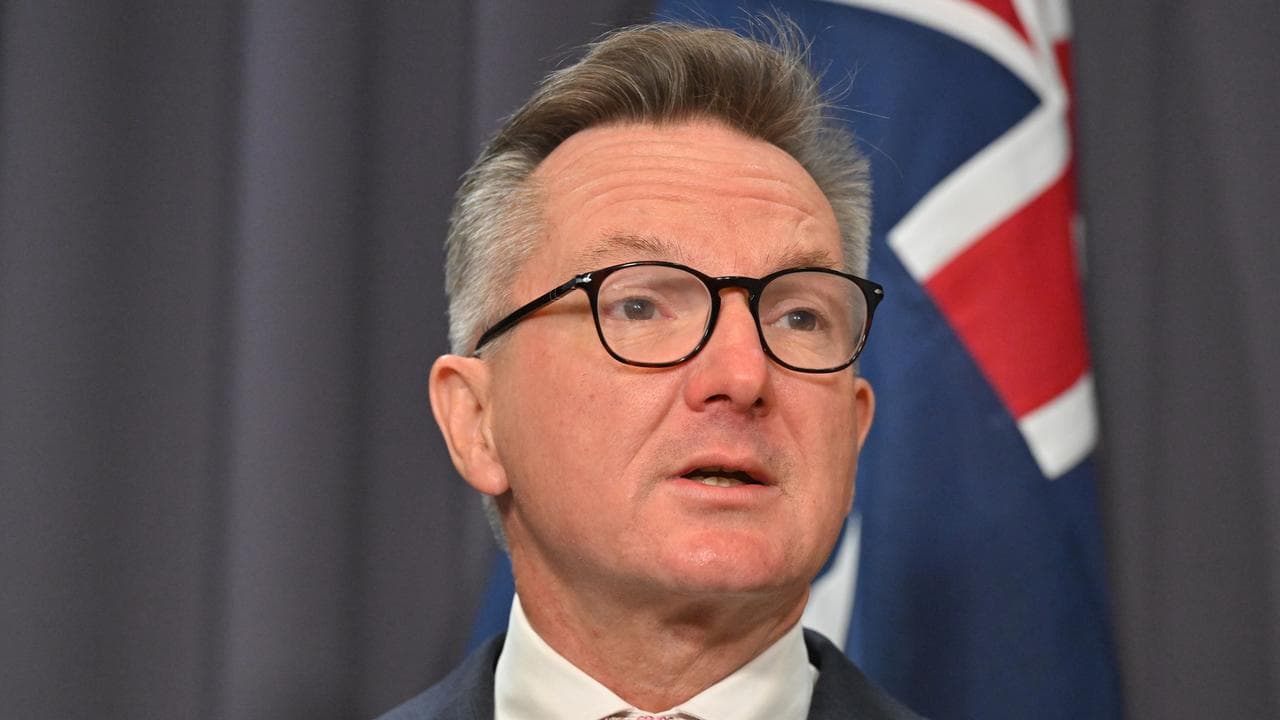
The federal opposition has lost touch with the free market beliefs upheld by a "once-great" Liberal Party, according to Energy Minister Chris Bowen.
The backhanded ideological sledge comes after a fresh row over the merits of Australia's slated trade agreement with the European Union.
Senior Liberal Tim Wilson declared on Saturday that the proposed pact was not one that advanced the national interest or access to the European market.
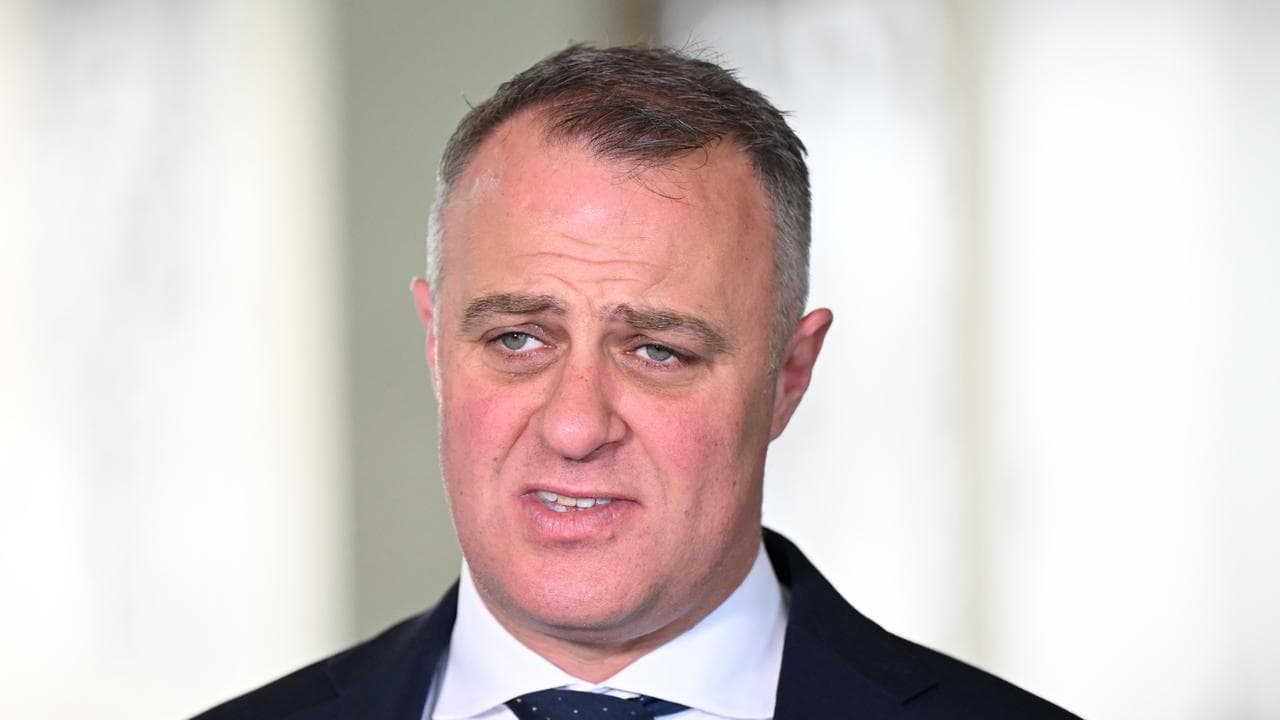
"On the current terms we're opposed to it conditional on it going through proper parliamentary and coalition processes," he told reporters in Melbourne.
"What we want is a better deal for Australian businesses and particularly Australia's agriculture."
The deal was struck in March after years of negotiations to expand trade across a range of areas.
Under its terms, Australia will remove a five per cent tariff on imports of European products, which hits car makers such as BMW and Mercedes, along with goods such as fashion products, food and drinks.
EU tariffs will be removed on a wide range of imported Australian goods, including critical minerals, manufactured items and many dairy products.
However, farmers were left angered by the arrangement, with some saying it would deliver no commercially meaningful market access.
National Party leader Matt Canavan also voiced his opposition to the deal on Friday, with frontbencher Bridget McKenzie following suit.
Yet there are question marks over whether the stance has been thrashed out with senior Liberals or discussed in shadow cabinet.
"You don’t expect a Liberal Party to believe in much but you expect them to believe in trade and free trade," Mr Bowen said on Saturday.
"Here’s a party which is now so opposed to even the mention of climate change that they’ve decided to oppose an ... agreement with one of the world’s largest markets, the EU.
"It just shows how out of touch they are," he went on.
"They don’t really stand for what the once-great Liberal Party of Australia stood for, which is free markets and trade."
Mr Bowen said getting the agreement through the Senate would obviously be trickier without coalition support but the government would find a path.
"We’ll work with people of good faith because it’s important for the Australian economy," he said.


