
In 1976, a former NASA caravan containing scientific equipment was perched on the edge of a remote cliff.
Since then, Cape Grim station in Tasmania's northwest has played a key role in world science including in the phase-out of ozone-depleting substances such as chlorofluorocarbons which were used extensively in the 20th century as refrigerants and aerosol propellants.
The station, currently a more robust structure with bunk beds and a kitchen, monitors the "world's cleanest air" which travels across the Southern Ocean.
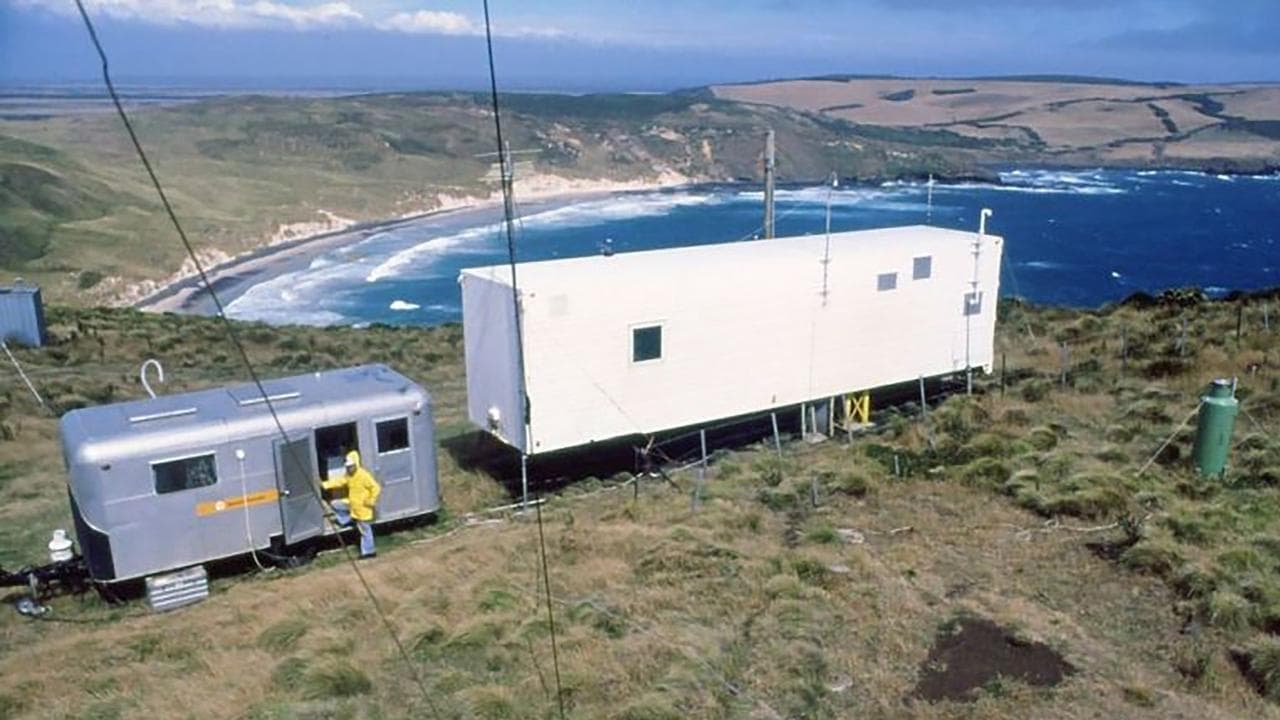
For 24 hours a day, air is drawn through inlets - one located 80m up a tower - and analysed in real time.
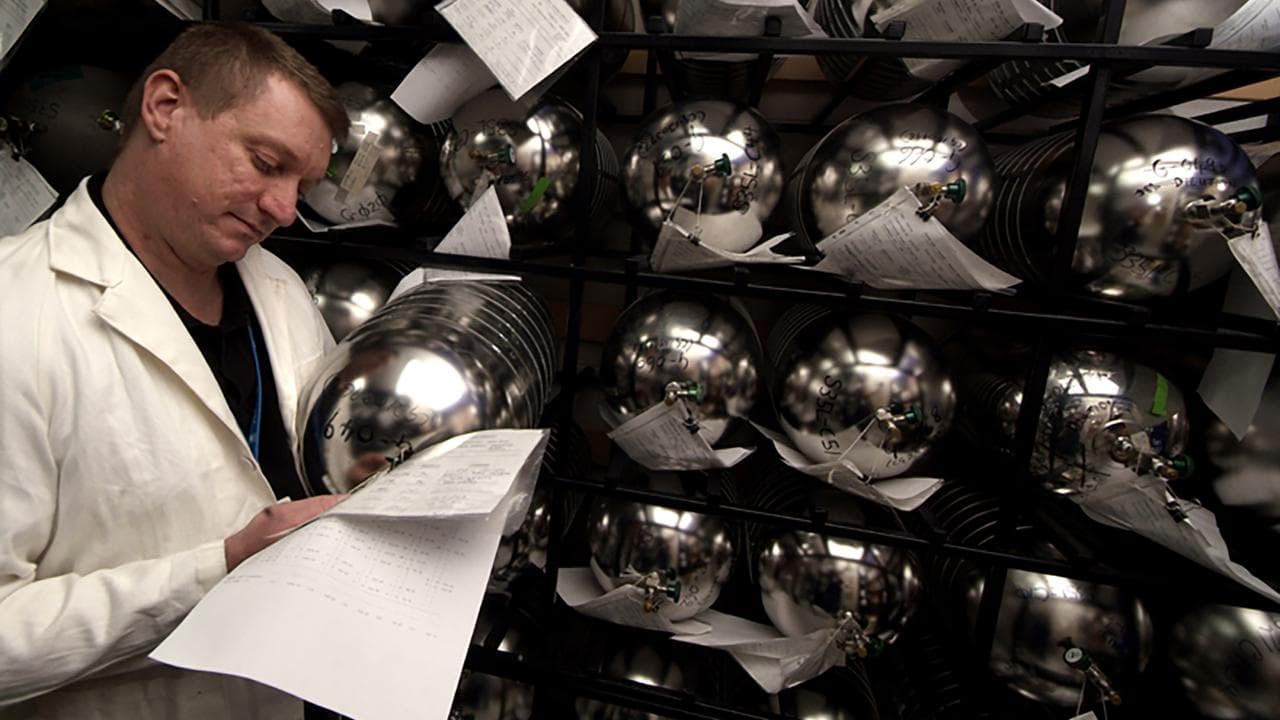
Samples are also put in tanks and stored at a CSIRO lab in Melbourne which has archived them for more than 40 years.
CSIRO principal experimental scientist Paul Krummel is one of several scientists who'll be at the station on Wednesday for the 50th anniversary of when measurements were first taken.
"There have been massive contributions to global science from this station. It's one of the longest running stations in the world," he said.
"It's a magical place. Once you’ve been here a few times, it grabs hold of you."
Data from the station has been used in all five Intergovernmental Panel on Climate Change reports and underpinned hundreds of research papers.
It has also monitored the quality of Melbourne's air and helped detect illegal emissions in China.
CSIRO senior principal research scientist Melita Keywood is working on a project examining atmospheric aerosols, which influence how light and heat reach the earth's surface.
Despite some challenges, the station's location allows almost-unprecedented frequent recording of clean air which acts as a baseline.
"It can be very windy, we’ve seen some of our instruments get blown over," Dr Keywood, who has been coming to Cape Grim for 20 years, said.
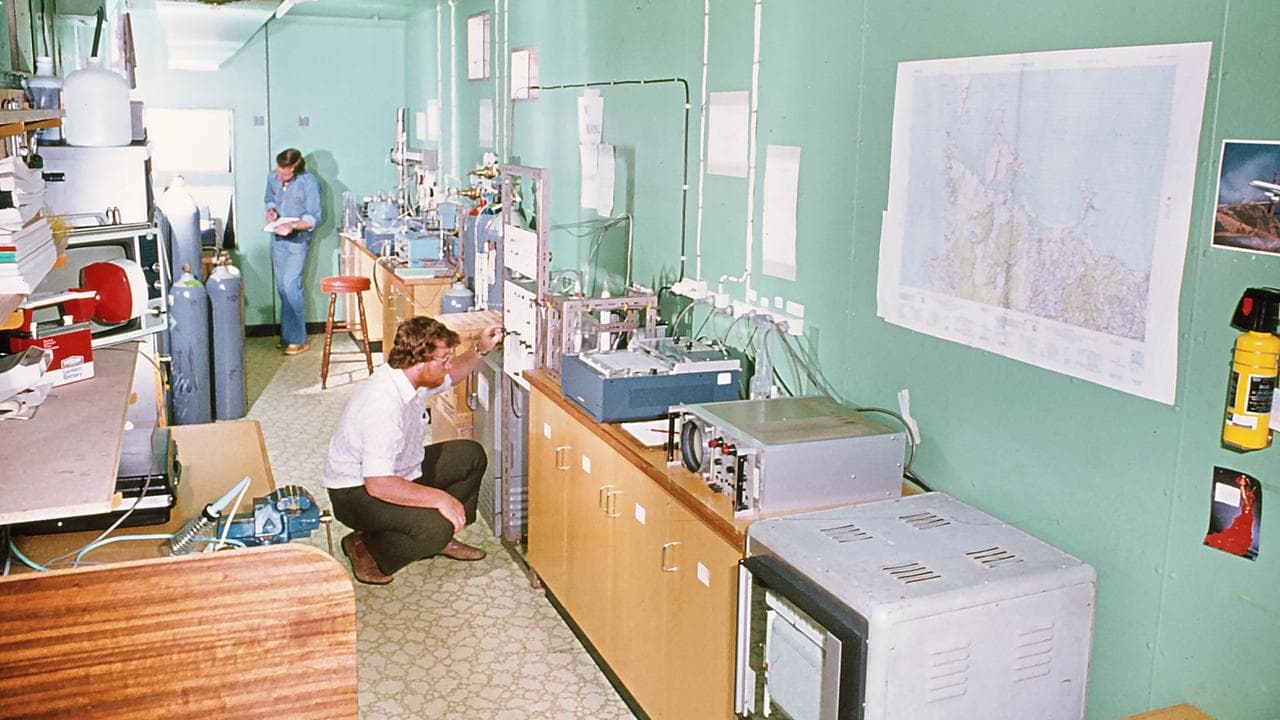
The long-term data is critical for understanding changes in the atmosphere over time and how to manage them in the future, she said.
"We have seen an ongoing increase in CO2 over the last 50 years from human-induced activities," she said.
"However, we have also seen a decrease in the pollutant black carbon and ozone-depleting substances like CFC-11, showing us that international efforts to reduce pollution, like the Montreal Protocol, can be effective."


