
No single measure can undo the change in social attitudes driving political threats, according to the head of the Australian Federal Police, as it grapples with how to keep parliamentarians safe.
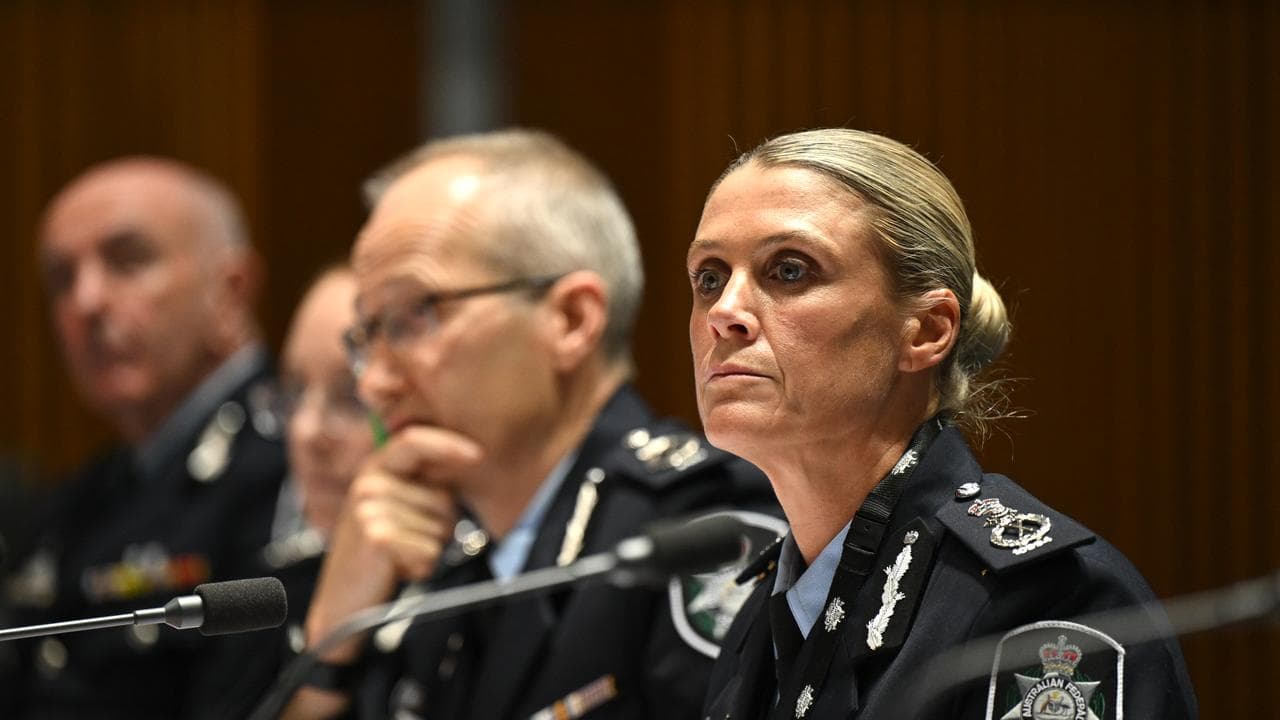
Commissioner Krissy Barrett began her late-night appearance at the Senate estimates hearing noting "a heaviness that hangs across Australia" after the attack on independent MP Helen Haines.
The federal member for Indi lost both her legs and remains in a serious but stable condition in a Melbourne hospital after being struck repeatedly by a four-wheel drive outside her Wangaratta office.
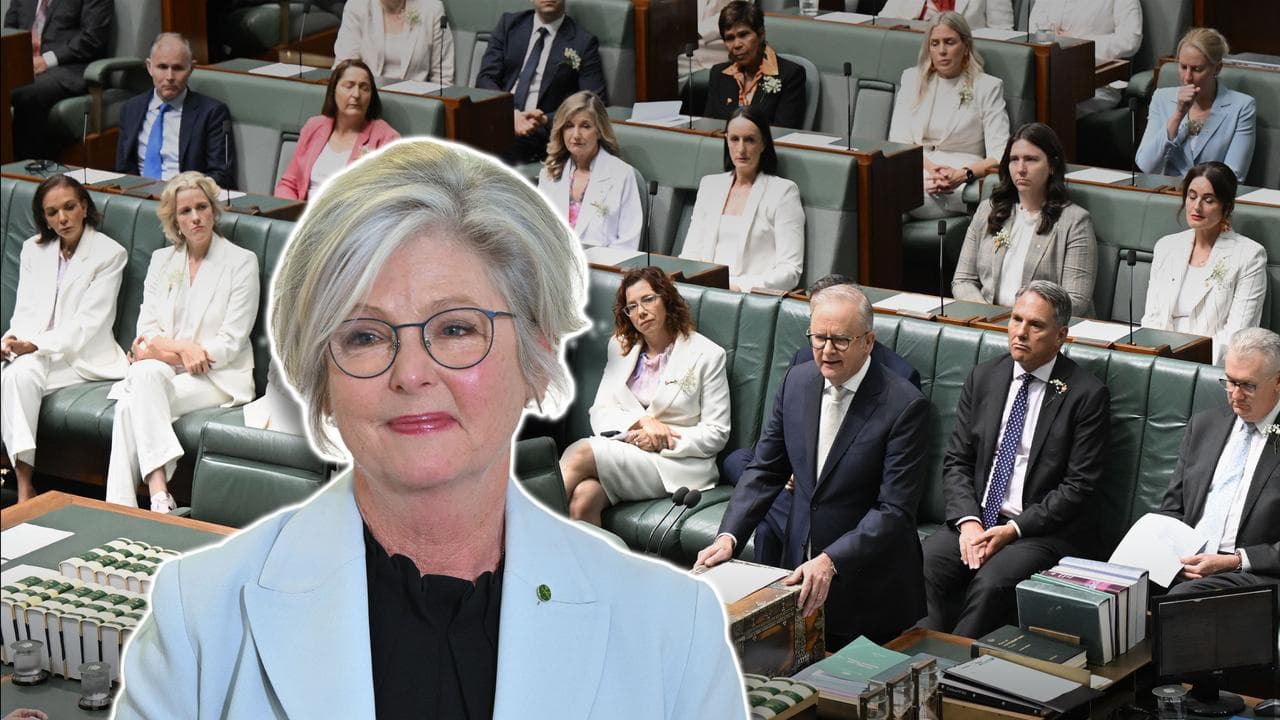
State authorities are leading the ongoing investigation into the motive behind the attack with the police chief confirming the alleged offender was not known to federal police.
As the nation comes to grips with the attack, Ms Barrett said it has aligned with a global trend of violence emerging with little or no warning from individuals largely unknown to authorities.
"Lone actors are being motivated by a convergence of personal grievances, mental health vulnerabilities and ideological concerns," she told the Senate estimates hearing on Tuesday night.
"What helped keep us safe in recent times, such as our geography, analogue systems and far away criminals, has been impacted by fully integrated technology, social media and artificial intelligence."
Ms Barrett said technology has enabled an "instant pipeline of hate" delivered to people's homes, including teenagers, and workplaces because of the ubiquity of devices.
"Our investigators are charging almost one person a week for targeting Commonwealth parliamentarians or high office holders," she told senators.
The AFP received 785 protective security reports that contained "adverse content" about federal parliamentarians in the first half of the year, Ms Barrett said, with 394 directed at male MPs and 371 against female MPs.
She added that while all reports were taken seriously, the "adverse content" sometimes did not meet a criminal threshold.
An AFP psychological analysis of Joint Counter Terrorism Team youth cases from 2020-2025 showed the 55 boys aged between 12 and 17 were entirely or partially radicalised online, Ms Barrett said.
The ideological presentation of those youths had shifted over the past two years away from jihadist extremism or white supremacist ideology, she said, with an increasing number having hybrid or unclear beliefs and displaying "ideological fluidity".
"In three out of five cases, the youths had received support, treatment or intervention for a mental health condition," she added.
Individuals who believe threats and violence are tolerable if their cause is noble are taking to social media, corroding community and normalising violence creating a fundamental shift, Ms Barrett said.
"It continues to impact on many, most notably the Jewish community. Anti-Semitism is often the early warning sign of a decay in our society, and the poisoning of our compact with each other," she said.
"Our collective consciousness must be awake to this threat, and acknowledge there will always be another target group of hate if we do not recognise where it can start.
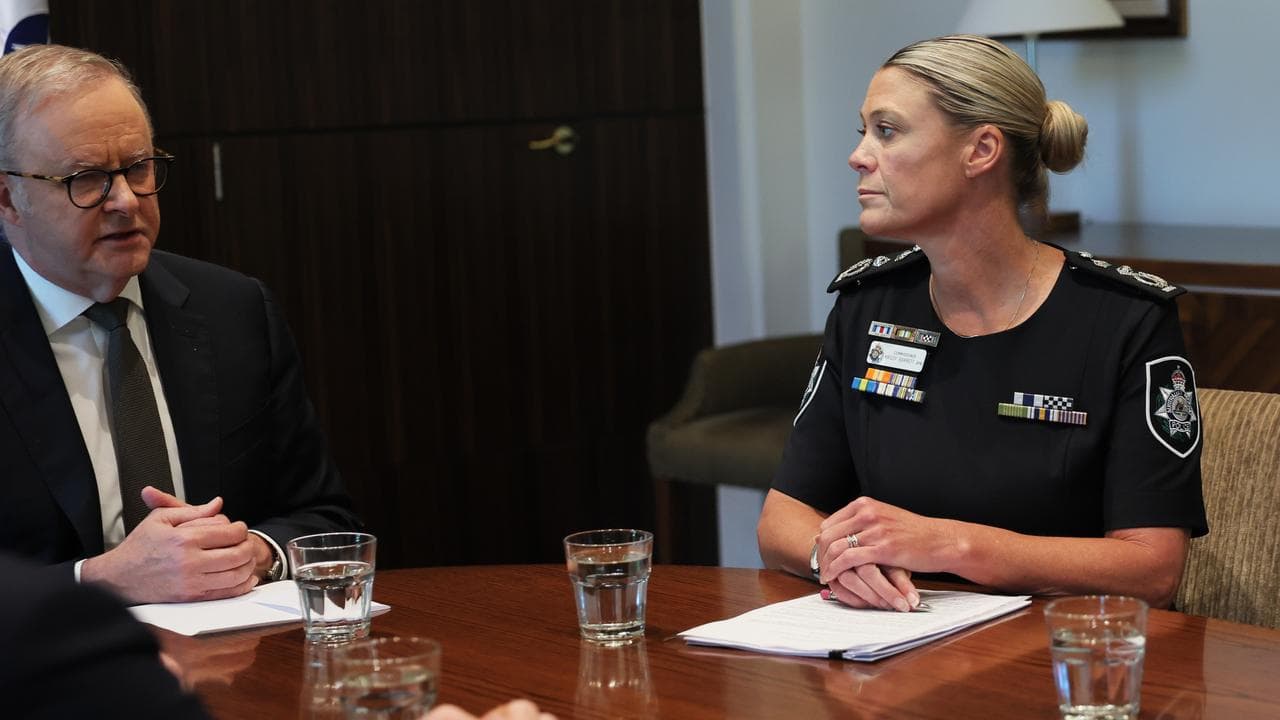
"There is not one single measure alone that will stop the threats, because this goes to a wider societal problem Australia is facing," Ms Barrett said, pledging to work with the home affairs and finance departments to ensure the security of electorate offices and the homes of parliamentarians.
Ms Barrett reiterated she did not seek to judge how parliamentarians "do politics," to police free speech or intervene in political discourse.
The federal police commissioner will meet her state and territory counterparts soon to discuss the issue of democratic and parliamentary security.


